Motorists aged over 70 could face a far tougher hurdle to stay behind the wheel.
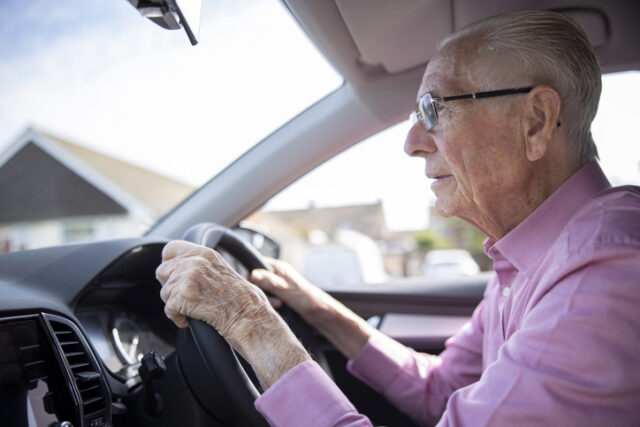
Under the current setup, drivers simply need to self-declare their fitness to drive every three years once they reach 70. These new plans mark a fundamental change, replacing a system of self-certification with rigorous practical and medical checks.
The potential shake-up comes as transport officials review road safety data and weigh up how best to support older drivers while keeping roads safe for everyone. The proposed four-part assessment aims to take a much closer look at reaction times, eyesight, cognitive sharpness, and physical road competence before handing over a renewal. Here’s what the four tests actually involve, the reasons behind the suggested policy, and what it could mean for older drivers across the country.
What changes are being proposed for drivers over 70?
The Department for Transport has been gathering views on plans to introduce mandatory eyesight checks for older motorists, marking a significant departure from how the current rules operate. As things stand, drivers reaching the age of 70 simply tick a box every three years to self-certify that their vision meets the legal standard, leaving the decision almost entirely down to personal honesty and self-assessment.
Road safety campaigners and medical specialists have long argued that this honour system leaves dangerous gaps, pointing out that visual decline often creeps up so gradually that drivers fail to notice how much their sight has worsened. Introducing compulsory clinical tests would take the guesswork out of renewals, ensuring that anyone behind the wheel can actually see hazards clearly.
How the current system works

Right now, drivers over 70 aren’t required to undergo any formal eyesight examination when renewing their licence, they simply confirm they can meet the legal standard themselves, with no independent verification involved. Critics of the current system have long argued that self-certification leaves room for undiagnosed vision problems to go unnoticed, particularly gradual conditions that someone might not fully realise are affecting their sight. These proposals would introduce independently verified testing instead, something that could catch issues current self-assessment might easily miss.
Test one: visual acuity
According to vehicle industry specialists, the first test would be a visual acuity test, measuring how clearly someone can see objects at a distance. This is typically carried out using a standard letter chart, and drivers would be allowed to wear glasses or contact lenses if needed during the assessment, provided they’re the same prescription they’d wear while actually driving.
Test two: peripheral vision
The second element would be a visual field assessment, designed to measure peripheral vision and pick up on any blind spots that could affect road safety. Peripheral vision loss can be particularly dangerous behind the wheel, since it affects a driver’s ability to spot hazards, pedestrians, or other vehicles approaching from the side, often without the driver even realising their field of vision has narrowed.
Test three: screening for eye conditions
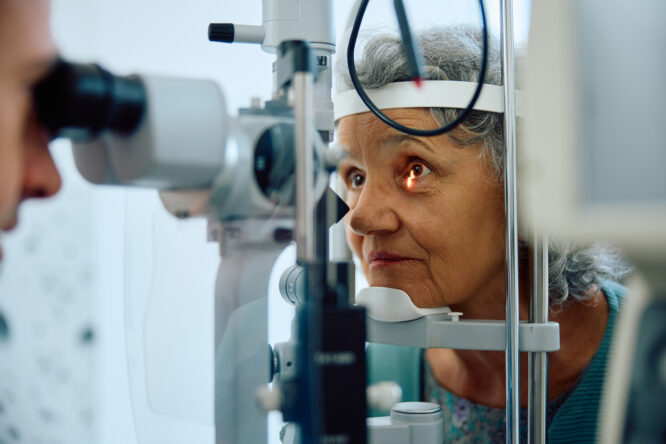
A third test could involve screening for specific eye conditions known to impact driving ability, including glaucoma and other age-related vision problems such as macular degeneration or cataracts, conditions that become considerably more common as people get older and can develop gradually enough that drivers may not notice the change themselves.
Test four: the legal minimum standard
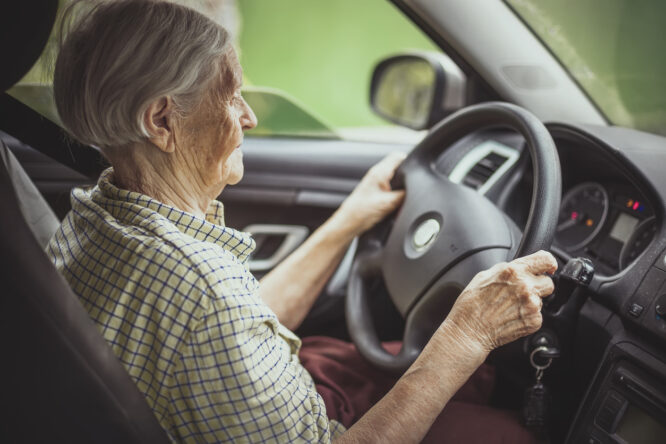
Finally, drivers may need to demonstrate they meet the UK’s legal minimum eyesight standard for driving, which includes being able to read a number plate from 20 metres away in good daylight, a benchmark that’s remained largely unchanged for years but has never previously required formal proof for older drivers specifically.
Where the consultation currently stands
The consultation period has now closed, having wrapped up back in May, with interested organisations already submitting their evidence and views to the Department for Transport. The College of Optometrists was among those to formally respond, acknowledging that a range of different assessments would likely be needed to properly evaluate older drivers’ vision, rather than relying on any single test in isolation.
What optical experts have said
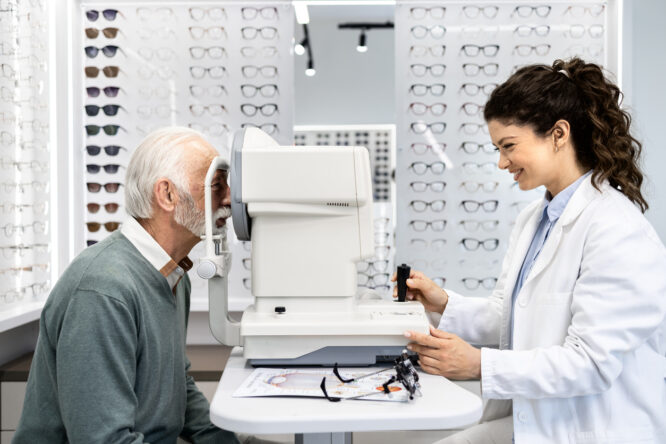
The General Optical Council also weighed in, explaining that standard eye examinations carried out by optometrists already cover a broad range of checks, including eye muscle and alignment tests, alongside broader ocular health assessments like visual field examinations and retinal imaging. This raises the question of whether any future mandatory testing might simply build on the kind of routine eye exams many people already undergo regularly, rather than requiring an entirely separate driving-specific process.
What happens next
The Department for Transport has committed to publishing a summary of all submissions received, alongside its formal response to the consultation, though no firm timeline has yet been given for when that response will actually be published, or when any new testing requirements might come into force if the proposals are approved.
According to the department, the primary goal behind the proposals is reducing road deaths and injuries among older drivers, as well as other road users who could potentially be involved in collisions with them, while still preserving older drivers’ independence, mobility, and ability to stay socially connected. That balance appears to sit at the heart of the whole consultation, officials are keen to stress this isn’t about stripping older people of their licences unnecessarily, but about making sure vision problems are caught and addressed before they become a safety risk on the road.
Officials believe that ensuring older drivers continue meeting the required vision standards for safe driving could have a positive impact on road safety more broadly, potentially benefiting not just older drivers themselves, but everyone else who shares the road with them too.