Not so long ago, planning a weekend break meant looking up historic cathedrals, booking a museum tour, or finding a scenic walking route.
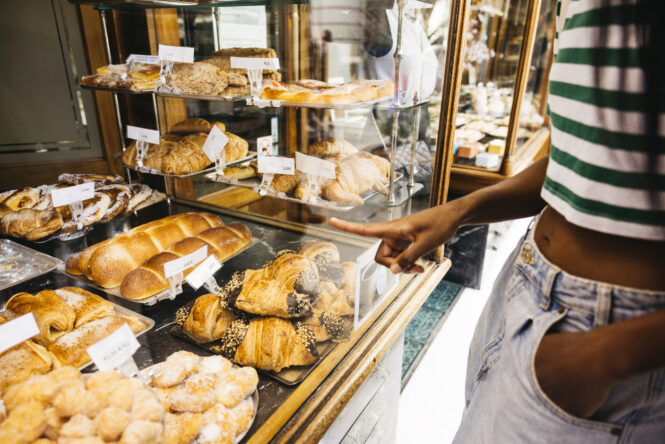
These days, a growing number of people are planning entire trips around a single laminated pain au chocolat or a legendary sourdough loaf. “Bakery tourism” has taken off in a massive way, with food lovers happily travelling across the country, getting up at the crack of dawn, and queuing around the block just to bag a fresh pastry before the counters sell out.
Between viral video food trends, a massive revival in traditional sourdough baking, and people craving an affordable luxury that feels special, our travel habits have taken a very floury turn. Here’s why the humble local bakehouse has become the main attraction for modern holidaymakers, and why nobody seems to mind waiting forty minutes in the drizzle for a warm cinnamon bun.
Bakeries have become travel destinations in their own right.
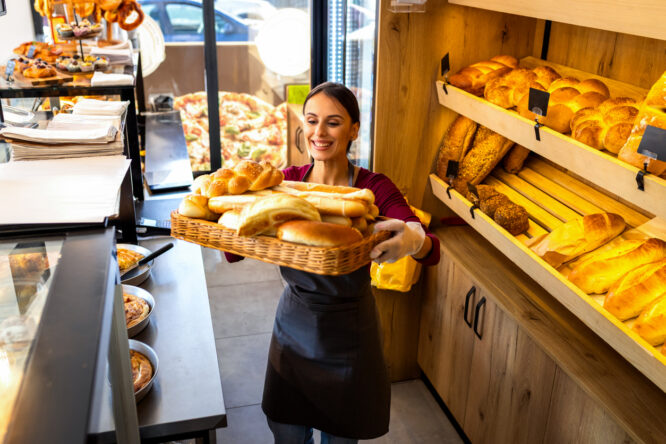
The rise in bakery tourism comes down to a few overlapping factors. On social media, the idea of a “sweet treat” as a small, well-earned reward has given bakeries a real sense of social currency, making a visit feel like content worth sharing rather than just a snack stop.
The trend also traces back to the pandemic, when home baking became a popular way to pass the time and “bakery crawls” effectively replaced pub crawls for a stretch of time. That habit of treating baked goods as something worth actively seeking out never really faded once travel opened back up.
Bakeries appeal strongly to tourists specifically.
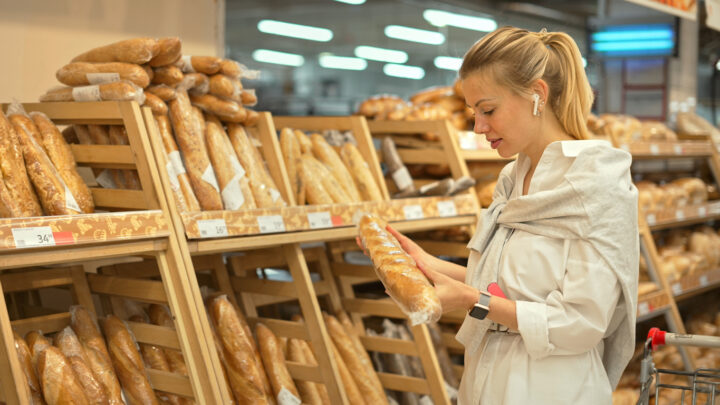
From a tourism perspective, bakeries offer a more accessible entry point into local culture and cuisine than a fine dining restaurant might. With cost of living pressures affecting travel budgets, a Michelin starred restaurant may be out of reach for many visitors, but a standout pastry from the hottest bakery in town remains genuinely affordable by comparison.
That accessibility, combined with how visually shareable good pastries tend to be, has turned bakeries into a low-cost, high-reward addition to any travel itinerary, letting tourists experience a city’s food culture without needing a reservation or a big budget.
Copenhagen, Denmark
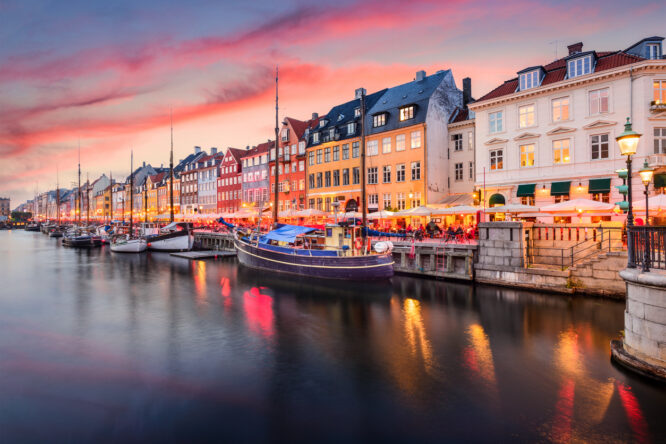
Much like it has with fashion, Copenhagen has become a genuine leader in unusual, innovative baked goods. The city isn’t just emerging as a global food capital either, its wider hygge culture and appreciation for everyday moments have helped bakeries flourish as part of daily life rather than an occasional treat.
Third wave bakeries have boomed here specifically, with a strong focus on artisan producers and heritage grains. One standout spot is run by former chefs from a world renowned Copenhagen restaurant, offering flaky seasonal fruit tarts, cinnamon pastries shaped like snails, and a laminated brioche filled with custard and fruit compote, a traditional treat tied to the city’s pre-Lent celebrations.
London, England
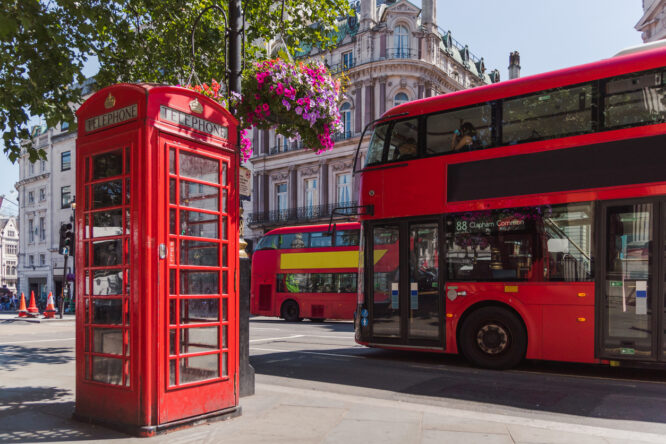
London has seen its own significant bakery boom in recent years, a trend possibly helped along by the popularity of baking competition shows on British television. Remarkably, one in every five bakeries currently operating in the UK has opened since 2020.
Part of the appeal seems to be convenience, with people increasingly drawn to quick morning indulgences rather than a full sit-down brunch. What stands out most in London specifically is the sheer number of fusion bakeries blending different culinary traditions. One Filipino-inspired spot sells traditional ube donuts, while a separate French-Asian fusion bakery serves items like hot dog croissants finished with Japanese barbecue sauce.
Seoul, South Korea

Riding a wave of growing global interest thanks to K-pop and Korean skincare culture, Seoul has also become a genuine leader in the bakery world. What sets these bakeries apart is how many of them are opening with a gallery-like feel, placing just as much emphasis on visual presentation as on taste.
One particularly famous bakery, based in the Gangnam district, treats its pastries almost like museum exhibits, complete with giant croissant-shaped statues and croissant-shaped door handles throughout the space.
Ireland’s own bakery scene
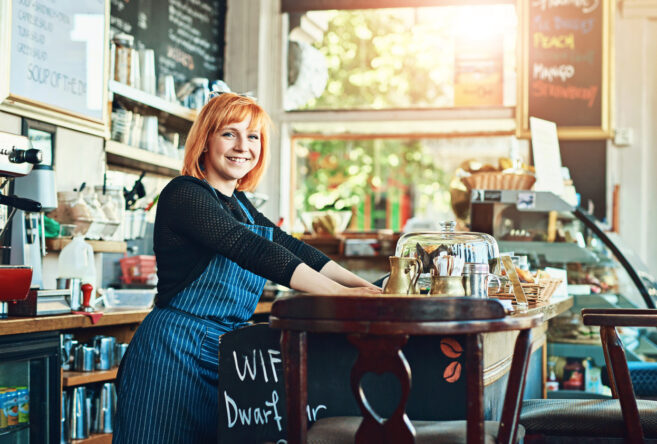
Closer to home, Ireland offers plenty of standout options too. In Midleton, County Cork, two bakeries in particular are pushing the local scene forward with their offerings. In Rush, one bakery has built a strong reputation specifically around viennoiserie, the buttery, laminated pastry style associated with French baking.
Meanwhile in Sligo, another bakery has become well known for its rich, indulgent bakes, proving the bakery tourism trend isn’t limited to major global cities, it’s thriving in smaller towns too.