There’s a strange new corner of social media that’s been quietly growing over the past year.
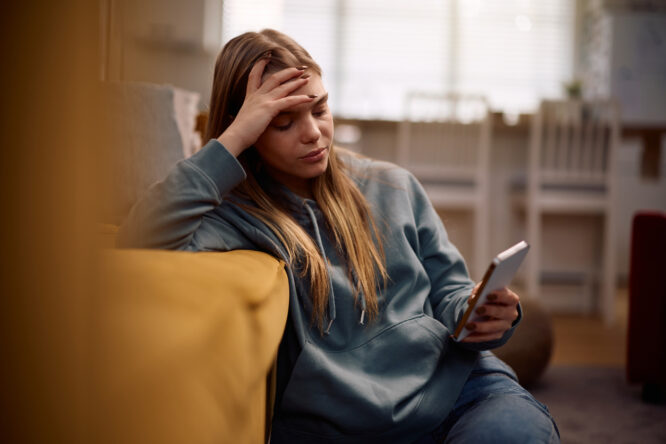
Young women, mostly in their twenties, are racking up hundreds of thousands of followers by posting about how lonely and friendless they are. The captions are surprisingly blunt, with phrases like, “This is what your Friday night looks like when you’ve got no friends.” It’s loneliness turned into entertainment, and the trend is raising big questions about what social media is doing to our social lives. Here’s what’s going on, why it matters, and what it says about the way we live now.
What do loneliness influencers actually do?
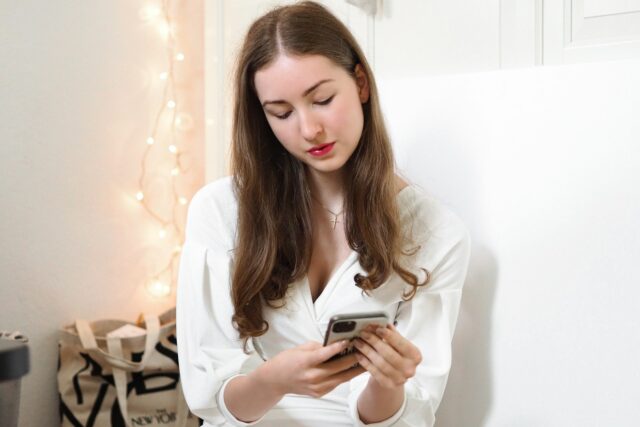
Loneliness influencers, sometimes also called solitude influencers, are people who build a social media following around openly documenting their quiet, friendless evenings. The content is usually unglamorous on purpose, with videos showing the influencer cooking pasta alone, watching TV in pyjamas, going for solo walks, or scrolling on their phone for hours.
The hook is the caption. By framing each video around having no friends, no plans and no social life, these creators tap into something millions of people quietly recognise. The videos can pull in hundreds of thousands of views, sometimes turning their creators into full-time content makers off the back of a single viral post about staying in on a Friday night.
It makes sense that this trend is taking off right now.
The simple reason is that loneliness is genuinely common, especially among young adults. Recent surveys have found that the majority of UK and US adults under 30 feel lonely on a regular basis. So when someone posts a video saying “you’re not alone in being alone,” it hits hard with viewers who are quietly going through the same thing.
There’s also a cultural change behind the rise. For decades, loneliness was something people tried to hide. Admitting you had no plans on a Saturday night felt embarrassing. Now, openly saying you’re an introvert, single and alone has become a kind of badge, helped along by the way social media rewards anything raw and confessional. The result is a generation that’s comfortable broadcasting their solitude.
Social media rewards loneliness in a very strange way.
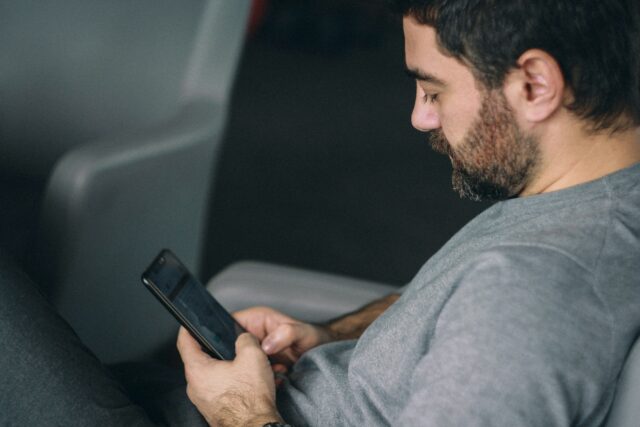
What makes the trend genuinely odd is that social media platforms financially reward this content. The more people watch a lonely Friday-night video, the more views it gets, the more the algorithm pushes it out, and the more money the creator earns through brand deals, gifts, and platform payouts. So loneliness isn’t just being documented, it’s being actively encouraged.
One influencer turned her account around after a single video about having few local friends went viral. She moved away from posting about her dog and rebranded entirely as a “single introvert” creator. From a financial point of view, it was a smart move, since loneliness content outperformed the dog clips. The platforms don’t care whether content is healthy, only whether it pulls in attention.
The influencers creating this content probably aren’t entirely miserable.
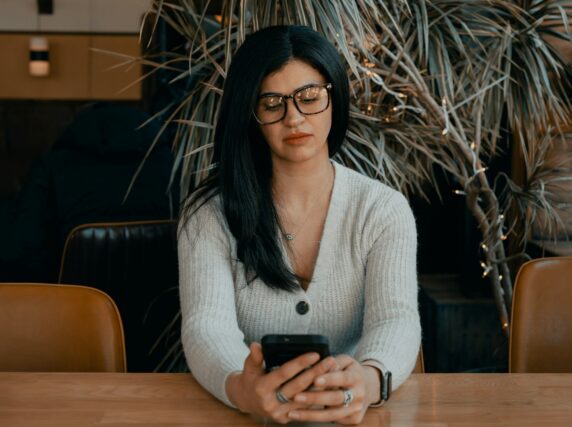
It’s worth being fair to the people creating this content. Many of them say they’re genuinely happy with their quiet lifestyle and want to make others feel less ashamed of feeling alone. Their argument is that they’re creating a sense of connection between viewers and helping people accept themselves, rather than glamorising isolation.
For some viewers, that’s probably true. Watching someone else openly admit they’re spending Friday night on the sofa with takeaway can feel reassuring, especially if you’ve been feeling guilty about your own quiet weekend. Many fans of these influencers say the content makes them feel less alone, which is the opposite of what the trend’s critics would expect.
There’s a deeper concern about all this.
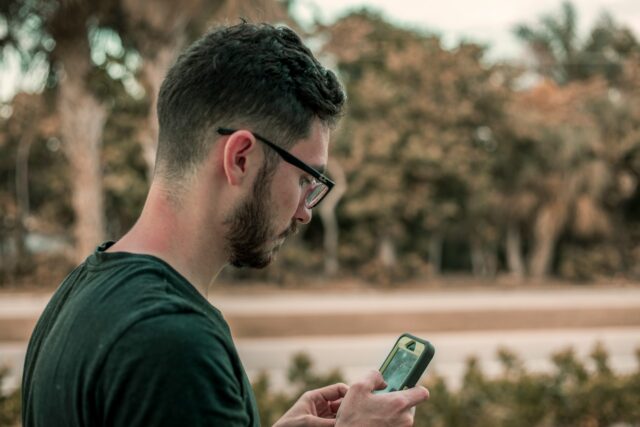
The trouble is, there’s a real difference between helping someone feel less ashamed of being lonely and helping them stay lonely. The same influencer whose viral Friday-night post launched her account also admitted in an interview that she actually wished she had more friends. She just doesn’t quite know how to make them.
This is where critics worry. When loneliness becomes a paid identity, the financial incentive to stay lonely starts to compete with the personal incentive to do something about it. The discomfort that usually pushes someone to text an old friend, sign up to a hobby group or strike up a chat at the gym gets softened by the steady drip of likes, comments, and brand deals.
This isn’t just about loneliness.
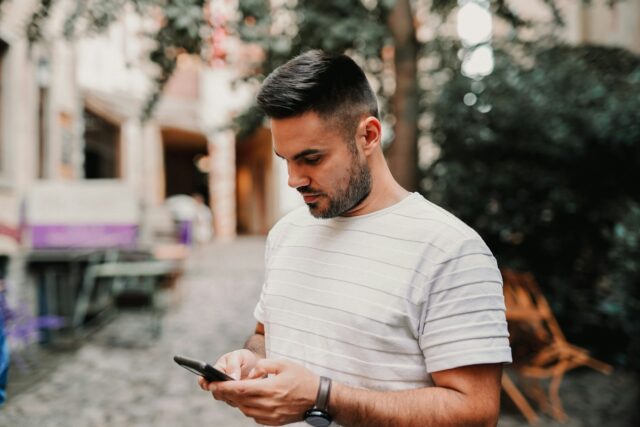
The same dynamic shows up in plenty of other corners of social media. Performative victimhood, dramatic mental health diagnoses, eating disorder content, and various forms of dysfunction all do well online because they pull in views. Whether the trend is loneliness, anxiety, burnout or any other struggle, the basic problem is the same. The platforms reward content that keeps you scrolling, not content that helps you live a better life.
This puts creators in a strange position. The most engaging version of themselves is often the most struggling version. Posting “things are going great, I’ve got loads of friends, and we had a brilliant weekend” doesn’t get the same traction as “you’ll cry if you watch this.” So creators end up performing whichever version of themselves keeps the algorithm happy, even if it’s not the version that’s actually best for them.
This exposes the wider problem with screen time.

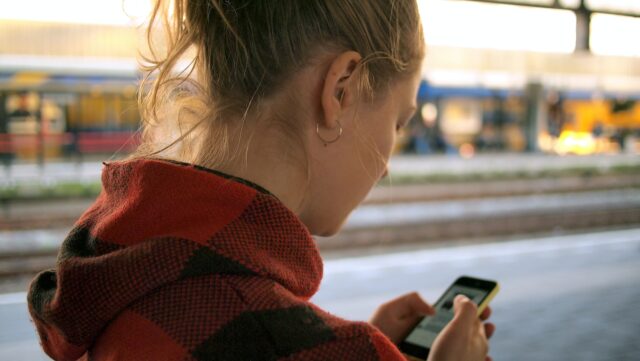
Loneliness influencers are part of a bigger story about how much time we all now spend on our phones. The average UK adult spends well over four hours a day on a mobile device, with younger users often hitting six or seven hours. That’s roughly a quarter of their waking life staring at a screen rather than interacting with other humans.
This isn’t just a personal time-management issue. It’s reshaping how we live, how we feel and how we relate to each other. Real friendships take time, effort, and a bit of awkward small talk. Online connection skips most of that, which feels easier in the short term, but doesn’t quite scratch the same itch. Plenty of research now suggests heavy social media use is linked to higher rates of loneliness, anxiety and depression, particularly in young people.
Social pressure could eventually change things.
One of the more interesting arguments in this whole debate is that society could push back on excessive social media use the same way it has pushed back on other unhealthy habits. Smoking is the classic example. In the 1960s, around 42% of UK adults smoked. Today, the figure has dropped to under 13%, thanks to a combination of taxes, advertising bans, public education and a major cultural change in how smoking is seen.
The change happened partly because lighting up went from being glamorous to being seen as a bit naff and unhealthy. The same kind of social transformation could happen with phones. If spending six hours a day on your phone gradually becomes something people quietly judge each other for, behaviour will change. Some signs of this are already happening, with growing numbers of young people swapping smartphones for basic flip phones, deleting social apps, and prioritising in-person time with friends.
The loneliness epidemic isn’t just an online problem, of course.
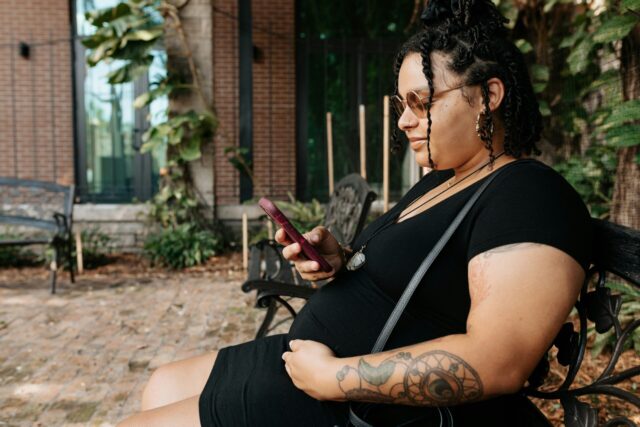
It’s important to be honest that loneliness has plenty of causes beyond social media. Young people are moving away from family earlier than they used to, often for university or work, then ending up in cities where they don’t know anyone. The cost of living means going out for meals, drinks, or activities is expensive. Working from home has stripped away the natural workplace friendships that used to fill people’s social lives.
In other words, it would be a mistake to pin everything on smartphones and influencers. But social media absolutely makes things worse. It replaces the small daily interactions that used to fill our days with passive scrolling. It creates a constant stream of comparison that quietly chips away at how we feel about our own lives. And now, with loneliness influencers, it offers a financial reward for staying in that lonely state rather than breaking out of it.
What can we actually do about it?
There’s no single fix for any of this. Government regulation has limits, especially when it comes to free speech and adult choices. Age restrictions can be worked around, and outright bans on platforms raise all sorts of practical problems. The deeper change has to come from culture and individual choices rather than from rules imposed from above.
The smaller, more practical changes are the ones that genuinely matter. Putting your phone away in the evenings, prioritising one in-person meet-up a week, joining a local club or class, calling a friend instead of messaging, and being honest with yourself about how much of your social life happens behind a screen. None of this is dramatic, but added together it makes a real difference over weeks and months.
There’s a bigger conversation worth having.
The rise of loneliness influencers is a quiet symptom of a much bigger problem. We’ve built a digital environment that rewards people for being unhappy, and we’ve spent so much time worrying about whether we’re allowed to judge anyone’s choices that we’ve stopped saying clearly when something isn’t healthy. The result is that genuinely corrosive habits like spending half your waking life online get treated as normal.
Loneliness itself isn’t shameful, and feeling alone now and then is part of being human. But turning it into a performance, watching it become a lifestyle brand, and quietly accepting that millions of young people are now building their identities around it should give all of us pause. The trend will fade eventually, replaced by the next online fad. The bigger lesson, though, is worth holding onto. The way we use our phones is shaping the way we live, and pretending otherwise just makes the problem worse.