Bedbugs are rampant across the capital, and Londoners are now eyeing up fabric Tube seats with suspicion on their morning commute.
Pest control firms are reporting record callouts, while the critters themselves have become noticeably tougher to kill with the standard over-the-counter sprays. Part of the headache is how easily they hitchhike on coats, luggage, and secondhand furniture, meaning an infestation can take hold long before you even spot the first bite. Here’s what’s actually driving the surge, how to tell if they’ve found their way into your home, and the most effective ways to deal with them before things get out of hand.
Bedbugs are a growing problem across the country.
Earlier this year, cases in one London borough were found to be up 40% compared with 2025. Some pest control firms reported that callouts for bedbugs had doubled over the same period. Online, more and more people have been sharing stories of finding them on their clothes, in their beds or around their homes.
Some of those affected have said it’s hard to even get help, with local exterminators fully booked for days. In one case, a whole office was told to work from home while an infestation was dealt with. It’s become a common worry, particularly for people living and working in busy cities.
Bedbugs are getting harder to kill.

One of the biggest reasons for the rise is that many bedbugs no longer die when sprayed with the chemicals traditionally used against them. Over time, some have developed a resistance, earning them the nickname mutant bedbugs. This means treatments that once worked well are now much less reliable.
The situation isn’t helped by people reaching for cheap shop-bought sprays and foggers. These often kill only some of the insects, leaving enough behind to keep the problem going. Worse still, the ones that survive tend to be the toughest, and they go on to breed, making the next generation even harder to get rid of.
For a tiny pest, they cause a whole lot of trouble.
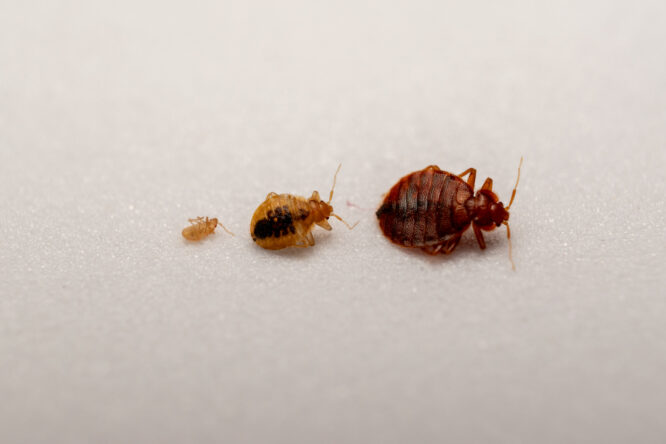
Bedbugs are small, flat, reddish-brown insects about the size of an apple seed. They live by feeding on human blood, usually at night while you’re asleep, and tend to need a meal every five to seven days. Even so, they can survive for up to 70 days without eating, which makes them hard to starve out.
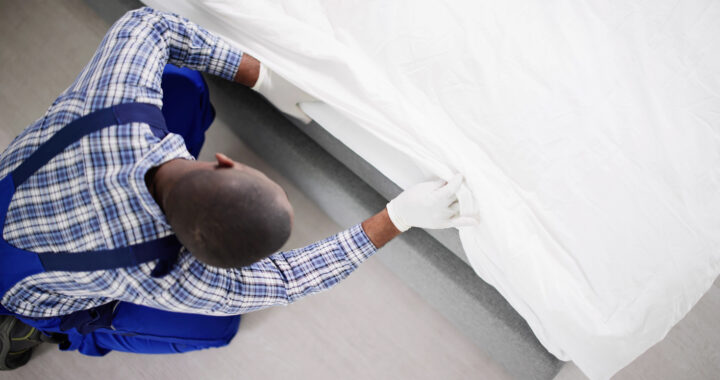
During the day, they hide in mattresses, bed frames, furniture and tiny gaps around the home. Their bites can leave itchy red marks, although some people don’t react at all and may not realise they’ve been bitten. A single female can lay up to ten eggs a day and between 200 and 500 across her life, so numbers can grow quickly.
Commuters point the finger at the Tube.

Many Londoners believe the capital’s transport network is to blame. People online have described being bitten on the Central line or finding a bug crawling on them after a ride on the District line. Some have even said they’ve started standing on journeys rather than sitting down.
Others feel the problem lies with the fabric seats used on trains and buses. They argue that hard, wipeable seating would be easier to keep clean and give the insects fewer places to hide. A few commuters have also suggested that carriages aren’t being cleaned often enough.
TfL insists it’s keeping on top of the problem.

Transport for London says it isn’t aware of any recent sightings of bedbugs on its network. However, it insists it’s keeping a close watch and taking every possible precaution. It wants passengers to feel confident that trains and buses remain clean and safe to use.
Tube trains are cleaned every day before they go into service, including all seats, floors, and surfaces. Any seat considered unfit is swapped out, and staff are trained to recognise bedbugs and report them straight away. Window ledges, windows and inside panels get a deeper clean every three to four days, while each train has a full clean inside and out every three to four weeks.
How do bedbugs find their way into your home?

It’s a common myth that bedbugs are a sign of a dirty home. In truth, cleanliness makes very little difference to them, as all they care about is being near someone they can feed on. That means even the tidiest homes and hotels can end up with a problem.
They’re excellent hitchhikers, clinging to bags, suitcases, and clothing before settling somewhere new. Because they move quickly, come out at night and squeeze into the tiniest cracks, they’re very good at going unnoticed. By the time most people realise they’re there, an infestation may already be well underway, which is why so many households search online for how to spot them.
How to stop bedbugs before they settle into your home

Prevention is much easier than getting rid of an infestation. After a trip away, wash all the clothes you took with you at 60 °C or higher, including anything you didn’t wear. Check your suitcase carefully before putting it away, paying close attention to the seams and zips where bugs like to hide.
In everyday life, a quick look over your bag and clothes when you get home is usually enough. If you’re particularly worried, putting the clothes you wore out straight into a hot wash will deal with anything you might have missed. Keeping suitcases off the bed and away from the bedroom can also help.
It’s important to be aware of the warning signs that you’ve already got a bedbug problem.
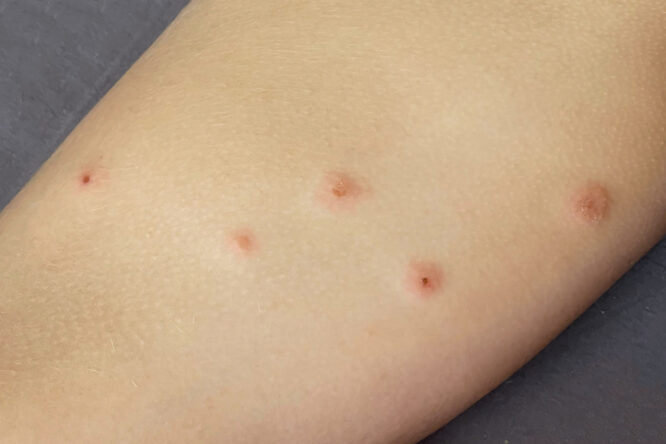
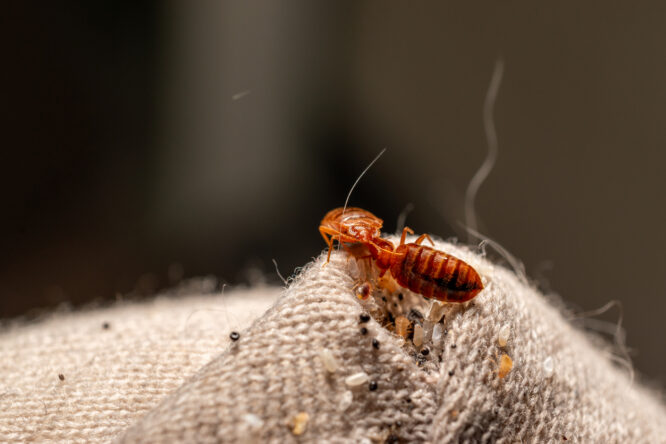
There are a few clues that bedbugs have moved in. Look out for small, itchy red bites, often in a line or cluster on skin left uncovered at night. Another warning sign is rust-coloured stains on sheets from squashed bugs, or tiny dark spots, which are their droppings. Pale, see-through skins they’ve shed, tucked into mattress seams, headboards, or furniture are also cause for concern, as is a musty, sweet or sickly smell, which usually points to a large infestation.
How to get rid of an infestation
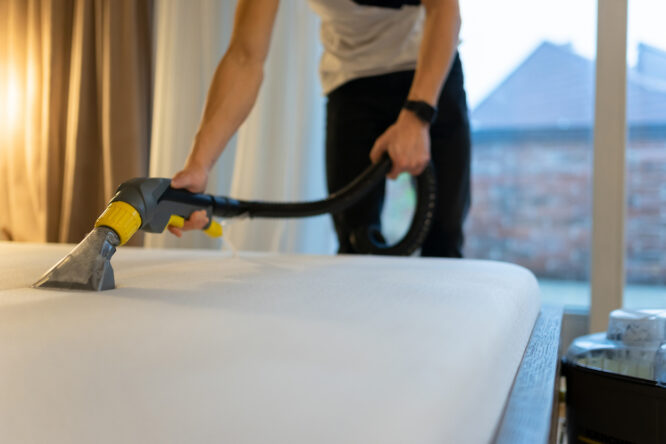
If you spot any of these signs, don’t move infested items into other rooms, as this can spread the problem. Instead, seal all affected fabrics in plastic bags, take them straight to the washing machine and wash them on a hot cycle. Then vacuum anything that can’t be washed using the narrow nozzle attachment, and empty or throw away the vacuum bag outside straight after.
Next, buy a special zip-up mattress cover designed for bedbugs, which traps any inside and stops them biting you or escaping. After that, it’s time to call a professional pest controller. This isn’t a job to tackle alone, as do-it-yourself treatments often fail and can make the bugs harder to kill.
How to soothe bedbug bites
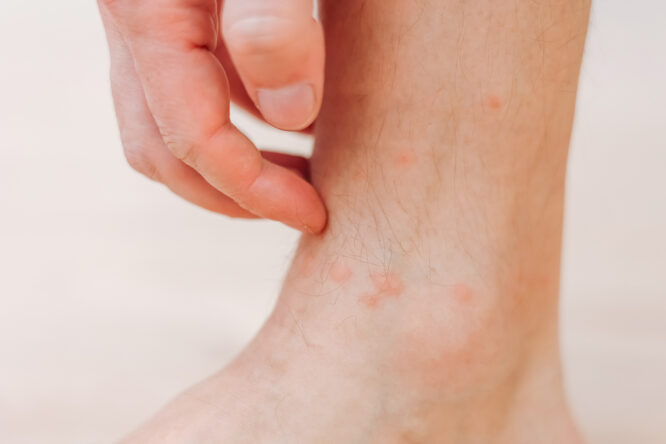
Most bites can be eased at home by cleaning the skin and holding a cool, damp cloth against it. If the itching is bad, a pharmacist can recommend a mild steroid cream or an antihistamine to calm things down. Try not to scratch, as this can break the skin and lead to infection.
Bites usually clear up within about a week. If they’re still very painful, swollen or itchy after trying pharmacy treatments, or the redness or swelling starts to spread, speak to your GP. It’s also a good idea to see a doctor if you notice signs of infection, such as the skin feeling hot or producing pus.