Your spine is the quiet workhorse of your entire body.

It holds you upright, letting you twist to grab a bag off the back seat, and protecting the delicate bundle of nerves that lets your brain talk to your toes. Most of us never give it a second thought until we wake up with a sharp twinge or throw our back out bending over to tie a shoe, and the odds of running into trouble only climb as the birthdays tick by.
The good news is that keeping your spine happy doesn’t require drastic lifestyle overhauls or living like a monk. Small, daily choices—from how you sit at your desk to how you pick up a heavy box off the carpet—can save you years of dull aches and keep you moving comfortably well into later life. Here are nine straightforward habits to help protect your back before it starts complaining.
Stretch and strengthen your back.

You don’t need to be fit or bendy to begin. Gentle stretches for your back, tummy, and the backs of your thighs can ease tight muscles, and stronger muscles around your middle share the load that would otherwise fall on your lower back. That means less strain on the spine and a steadier base for everything you do.
Yoga and Pilates are popular choices because they build core strength gently and teach you to move with control. Even ten minutes a day is a good start, and you can build up slowly from there. Stop if anything causes sharp pain, and ask a doctor or physiotherapist for advice first if you already have a back problem.
Check how you sit.

Many of us slump without noticing, especially when we are looking at a screen. Leaning forward for hours puts extra pressure on the lower back and on the soft discs that cushion the bones, and it can irritate the nerves nearby. Over time, that strain adds up.
Try to sit so that your back follows its natural gentle curves, with your feet flat on the floor and your screen at eye level. A chair that supports your lower back helps, and a rolled-up towel behind you can do a similar job if you don’t have one. Setting a reminder to check your posture every hour makes it easier to build the habit.
Sit less and move more often.

Sitting puts more pressure on the discs in your lower back than standing does, so long spells in a chair can bring on aches all by themselves. Moving around keeps the muscles active and the blood flowing, which helps your spine stay supple and comfortable.
Aim to get up for a minute or two every half hour, even if it’s only to fill a glass of water or stretch by the window. If you work from home, a standing desk or a phone call taken while walking about can help. A short walk at lunchtime beats eating at your desk and gives your back a proper rest from the chair.
Lift with care.
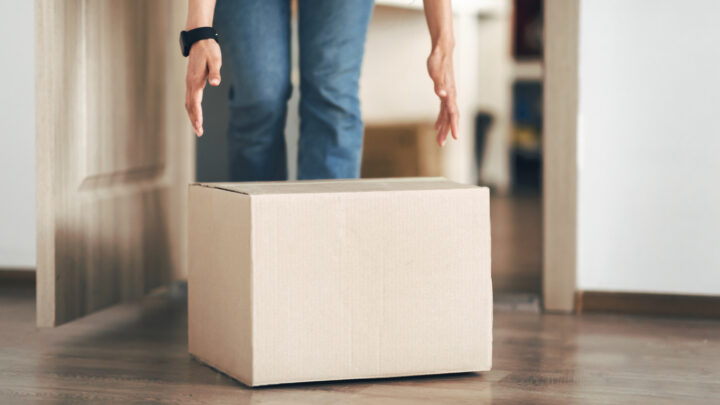
Lifting badly is one of the most common causes of back injury. A heavy load picked up without support can strain the muscles in your lower back, lock a joint or, in worse cases, damage a disc. The pain can be sudden and can take weeks to settle.
Before you lift, ask yourself whether you really need to, and whether a trolley or a second pair of hands would be safer. Then bend your knees, keep the load close to your body, tighten your tummy muscles and let your legs do the work. Turn by moving your feet rather than twisting your back.
Think about how you sleep.

While you sleep, your spine gets a chance to rest and recover, so the way you lie matters. A mattress that’s too soft lets your spine sag, which can lead to aching in the neck and back, while a medium-firm one usually gives better support. If yours is old and lumpy, a new one could be a sound investment.
Your pillow should keep your neck in line with the rest of your spine. Side sleepers usually need a thicker pillow to fill the gap between shoulder and head, while back sleepers do better with a thinner one. Sleeping on your front or curled tightly can strain your back, and a pillow between your knees can make lying on your side more comfortable.
Eat foods that support your back.

What you eat plays a part in how your body copes with inflammation and keeps your bones strong. Whole grains, fruit, vegetables and olive oil are good choices, while too much sugar, processed food and red meat can work against you. A balanced diet also helps you keep to a healthy weight, which takes pressure off your spine.
Bones also need minerals to stay sturdy, so include foods rich in calcium, such as dark green leafy vegetables, beans, lentils, almonds, tofu, figs and tinned sardines with their soft bones. These foods help guard against bone-thinning problems that can affect the spine later in life. Small changes at mealtimes can add up over the years.
Give up smoking.

Smoking harms far more than the lungs and heart. Nicotine narrows the blood vessels, so less oxygen and fewer nutrients reach the discs and joints in your spine. Over time, that can speed up wear and tear and raise the chance of ongoing back pain.
Giving up is hard, but you don’t have to do it alone. Your GP can talk through your options, point you to a local stop-smoking service and advise on nicotine replacement products. Your back is one of many parts of the body that will thank you for it.
Walk a little more each day.

Walking is one of the kindest exercises for your spine. It strengthens the muscles around your middle, keeps your back flexible, supports your bones and balance, and helps carry nutrients into the soft tissues of your spine. Because it’s gentle on the joints, it suits people of almost any fitness level.
If you’re new to exercise or recovering from an injury, start with ten-minute walks and build up gradually. Take the stairs, park a little further away, walk with a friend or listen to a favourite podcast on the way. A step counter on your phone can give you a nudge, and comfortable, supportive shoes make a real difference.
Treat yourself to a massage.

A massage can improve blood flow, loosen tight muscles and the tissue around them, and help your back move more freely. Many people also find it deeply relaxing, and a calmer body often sleeps better. You don’t need to be in pain to enjoy one, although it can help with some kinds of back trouble.
If you’d rather not visit a therapist, you can try a simple DIY version at home. Lean a tennis ball against a wall, place it between the wall and a tight muscle beside your spine, and roll slowly. Avoid pressing directly on the bones, and see a doctor if back pain lasts, gets worse, or comes with numbness, weakness, or trouble with your bladder or bowels.