Young disabled people could see big changes to the benefits they receive, under plans reportedly being drawn up by the government.

According to The Guardian, ministers are looking at scrapping a key payment for under-25s whose health affects their ability to work, and replacing it with a large package of support to help them find jobs. Nothing has been decided yet, but the plans could affect hundreds of thousands of young people and their families, so here’s a clear look at what’s being discussed.
What changes are being considered, and why?
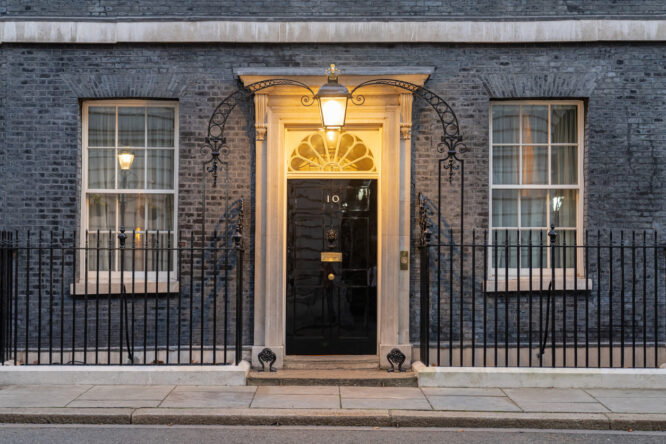
Government sources say the changes under discussion are much bigger than first expected. The aim is to encourage more people who currently claim benefits to move into work, with a particular focus on young adults. Andy Burnham’s government is said to see this as a major priority over the coming year.
The ideas being looked at cover two main payments: the extra Universal Credit money given to people with health conditions, and the Personal Independence Payment, better known as PIP. Officials are also considering changes to the Motability scheme. Most of these plans would need a new law before they could happen, which is expected to be put before Parliament next year.
The extra Universal Credit payment for health conditions may go.

People on Universal Credit whose illness or disability limits their ability to work can receive an additional amount on top of their standard payment. For most new claimants, this has already been cut to £217 a month, almost half what it used to be. Around 184,000 people aged 16 to 24 currently receive it.
One of the main options now being explored is removing this extra payment entirely for anyone under 25. Officials are also looking at whether this would apply to people already getting it, not just new applicants. Government sources have said there are no plans to remove or further cut it for people aged 25 and over.
Help to get young people into work is the main priority.

In place of the payment, young people would be offered a multibillion-pound package of support aimed at getting them into jobs. This could include wages partly paid for by the government, back-to-work schemes designed around individual needs and help with mental health. The idea is to give people practical support rather than relying on benefits alone.
There are currently around one million people aged 16 to 24 in the UK who aren’t in work, education, or training. The government has described this as a scandal and says it wants to give them better opportunities. Officials have also studied how other countries handle this, including Denmark, where most people under 40 are offered flexible jobs and training instead of a long-term disability payment unless they’re permanently unable to work.
Changes to PIP are

PIP helps people with long-term illnesses or disabilities cover the extra day-to-day costs these can bring. It’s claimed by around four million people and isn’t based on income or whether someone works. Last year, attempts to tighten who could get it were blocked after a large rebellion by Labour MPs.
Officials are now looking at replacing Pip with a new system that has fresh rules and assessments. One idea is a separate set of rules for under-25s, which could mean smaller payments or none at all for some. Another question is whether the new rules would cover everyone of working age or only those below a certain age, such as 50 or 60. In every version being discussed, people with the most severe disabilities wouldn’t lose any money or face reassessment.
The Motability scheme is also being called into question.

The Motability scheme lets disabled people use their PIP payments to lease a new car, usually for three years. Tax breaks linked to the scheme, worth around £300 million, have already been removed. Officials are said to be looking again at making further cuts to it in a future Budget.
For many people, these cars are an important way of staying independent, getting to appointments and keeping up with work or family life. Any changes would therefore be closely watched by disability groups. As with the other plans, no firm decision has been announced.
Why does the government want change?

The UK is spending £333 billion on welfare this year. Pensioners receive around 55% of that, while young people, not counting children, get roughly 2.5%. The independent review into youth employment has said it’s wrong that far more is spent on benefits for young people than on helping them find work, and has found that around half of those who move on to disability benefits are still out of work 15 years later.
Work and Pensions Secretary Pat McFadden has called reforming the system a moral crusade, saying too many young people are stuck on benefits for too long. The prime minister has said he wants to avoid crude cuts and use the changes to pay for more youth jobs and training. Polls suggest the public generally supports reducing the welfare bill, but most people think tackling the reasons behind joblessness is a better approach than simply cutting payments.
There are major worries from charities and campaigners.

More than 40 of the UK’s leading charities wrote to ministers earlier this year warning against cuts or tougher penalties for disabled young people. They said such moves could push thousands deeper into poverty and make it even harder for them to find work. One disability charity estimates that around half of households with a young person under 22 receiving the extra Universal Credit payment are already in poverty, and fears this could rise to more than nine in ten if it’s taken away.
Children’s charities have also voiced concern, arguing that cutting support goes against the prime minister’s own promise to avoid crude cuts. They agree that good-quality job support is important, but point out that it can’t solve the problem if there aren’t enough suitable jobs available. Some Labour MPs are also expected to raise concerns about the effect on disabled people’s living costs, especially as PIP is meant to cover extra costs rather than replace wages.
What are other parties proposing?

The Conservatives have set out plans to cut £23 billion from the welfare bill if they win the next election. Under their proposals, under-25s who haven’t worked continuously for at least six months wouldn’t be able to claim Universal Credit and would receive intensive job coaching instead. They argue this would stop young people moving straight on to benefits.
Reform UK wants to go further, aiming to cut £50 billion from welfare overall. It would replace PIP with a different payment only for people who are gravely ill or have the most serious disabilities. Those with less severe conditions would instead get support organised by local councils.
What happens next for claimants?

Two independent reviews, one on youth employment and one on PIP, are due to report this autumn, and the government says it won’t decide anything until they’re published. The Department for Work and Pensions has pointed to changes already under way, including a youth guarantee, a return to face-to-face assessments and £3.5 billion being spent on job support for disabled people and those with long-term conditions. It insists there will always be a safety net for the most vulnerable and those who can’t work.
If you or someone in your family currently receives PIP or the extra Universal Credit payment, nothing has changed yet, and any major changes would need a new law first. Keep an eye on official updates from the DWP and GOV.UK rather than relying on rumours online. If you’re worried about how future changes might affect you, disability charities and Citizens Advice offer free, confidential help with benefits questions.