Those who’ve spent their weekends towing a caravan across the country think as long as they’ve got the wing mirrors on and the lights are working, they’re sorted.
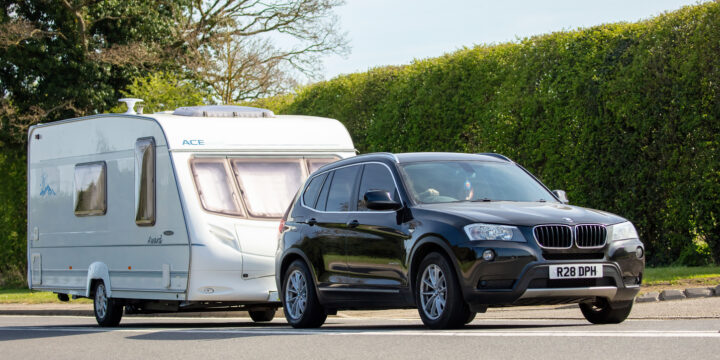
However, the UK’s driving laws are surprisingly picky when it comes to what you’re pulling behind your car, and it’s remarkably easy to break a rule without even realising you’ve done it. You can go years without a single problem, and then suddenly find yourself with a hefty fine or points on your licence because of something as small as the weight of your outfit or the specific lane you’ve pulled into on the motorway. It’s one of those things where “I didn’t know” won’t get you very far if you get pulled over on the A1. With that in mind, here are some laws you need to know about.
You don’t need a special licence, but towing limits still apply.
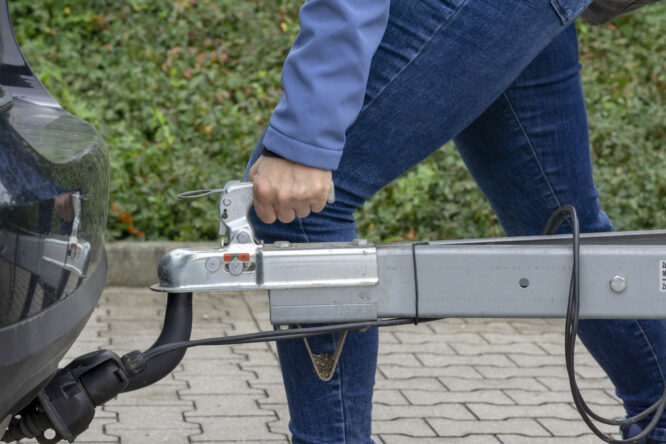
You don’t need a separate licence just to tow a caravan, but that doesn’t mean there aren’t rules around what you can legally pull. Your entitlement depends on when you passed your driving test and what your vehicle is rated to handle. Most issues come from people not checking weight limits properly. The car, caravan, and combined load all matter, and going over those limits can land you in trouble even if you feel completely in control on the road.
Parking a caravan on the road is allowed, but only up to a point.
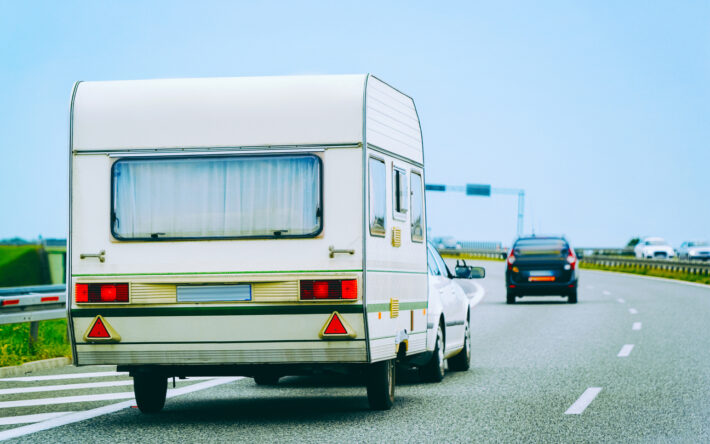
It is legal to park a caravan on the road in the UK, but it quickly becomes an issue if it blocks access, creates a hazard, or is left in a way that causes problems for other drivers. You also need to be mindful of how it’s positioned. It should face the correct way, be visible to traffic, and be properly lit at night. If it starts to look like an obstruction rather than a temporary park, that’s when complaints tend to follow.
Storing a caravan at home is usually fine, but not everywhere.
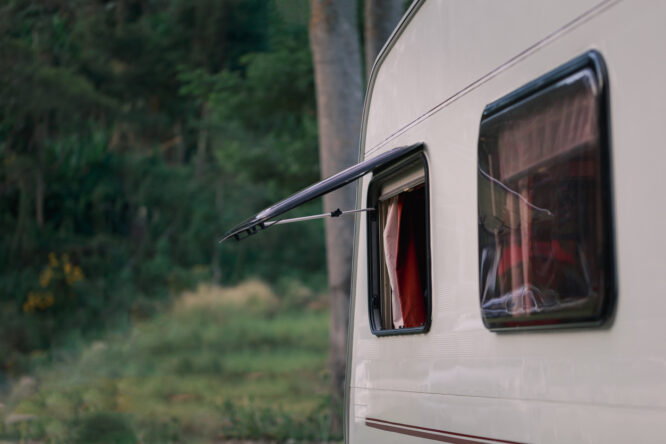
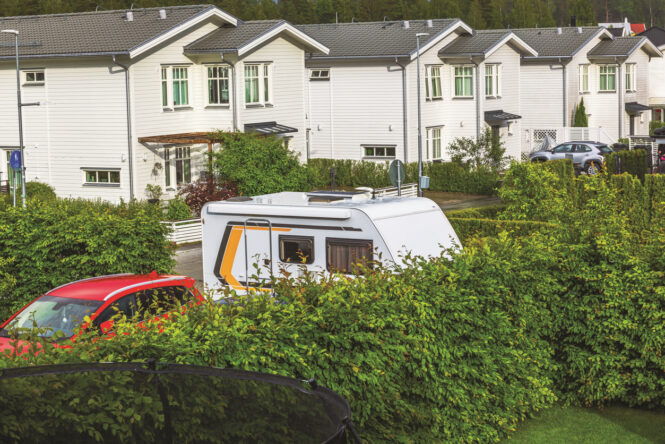
In most cases, you can keep a caravan on your drive or in your garden without needing planning permission. That’s the simplest and most common setup for owners. However, some areas have restrictions, especially in tighter urban settings or properties with specific housing rules. It’s always worth checking with your local council if there’s any doubt, rather than assuming it’s automatically allowed.
Where you place it on your property can make a difference.
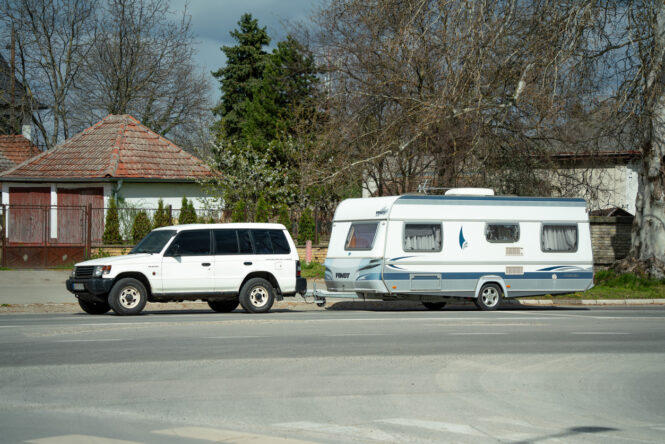
While your drive or garden is generally acceptable, storing a caravan elsewhere on your land can trigger different rules. Larger plots, farmland, or protected areas can come with extra conditions. If the caravan starts to look like a permanent fixture rather than something stored temporarily, that’s when planning permission may come into play. The distinction between storage and use matters more than most people realise.
Living in your caravan full-time on your property isn’t allowed.
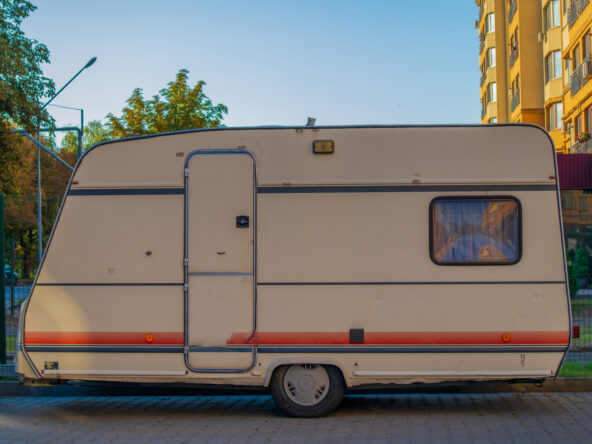
You can’t use a caravan as a completely separate, self-contained home in your garden without planning permission. That would effectively count as creating a second dwelling. It can be used as an extension of your home, like a spare sleeping space, but it needs to be tied to the main house. Once it becomes its own independent setup, the rules change quite quickly.
Temporary use is treated differently from permanent living.
There are situations where living in a caravan is allowed for a short period, such as while building a house on the same land. In those cases, it’s seen as a temporary arrangement rather than a long-term solution. The key thing is intent. If it’s clearly short-term and linked to something else, it’s often fine. If it looks permanent, you’re likely to run into planning issues sooner rather than later.
Caravans can be kept on agricultural land, but it’s not always straightforward.
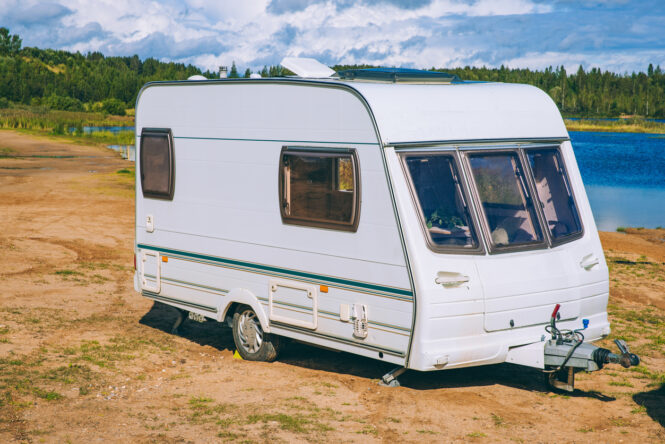
Keeping a caravan on farmland is possible, but it often depends on how it’s being used. If it’s just storage, it may be fine, but anything more than that can require permission. Local councils tend to look closely at agricultural land, especially if there’s any suggestion the caravan is being used as accommodation. It’s one of those areas where getting advice first can save a lot of hassle later.
You can tow a caravan with a leased car, but you need to check the limits.
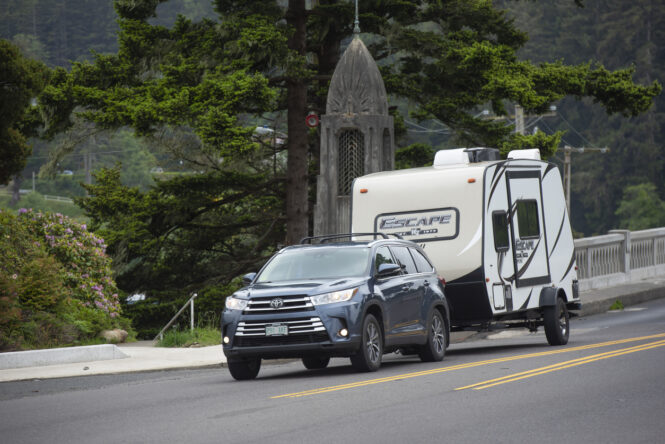
Leased cars are widely used in the UK, and many are perfectly capable of towing a caravan. There’s nothing in the rules that stops you from doing it. The important part is checking the towing capacity of the specific model. Not all cars are built the same, and pushing beyond what the vehicle is designed for can cause both legal and safety issues.
The same applies to hire cars, but you must be upfront.
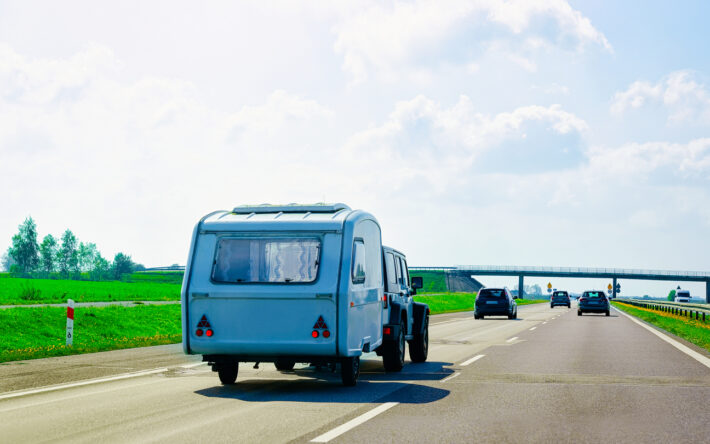
It’s also possible to tow a caravan with a hire car, but you need to be clear about your plans when booking. Not all hire agreements allow it, and some vehicles won’t be suitable. Speaking to the hire company in advance avoids problems later. It also ensures you’re given a vehicle that can safely handle the load, rather than guessing on the day.
No one is allowed to ride in a caravan while it’s moving.
This is one of the clearest rules, and it’s not open to interpretation. Passengers cannot travel inside a caravan while it’s being towed under any circumstances. It’s not just illegal, it’s dangerous. Caravans aren’t fitted with seatbelts or safety systems, and any sudden movement could cause serious harm. Everyone needs to be inside the towing vehicle.
There are limits on caravan size when towing.
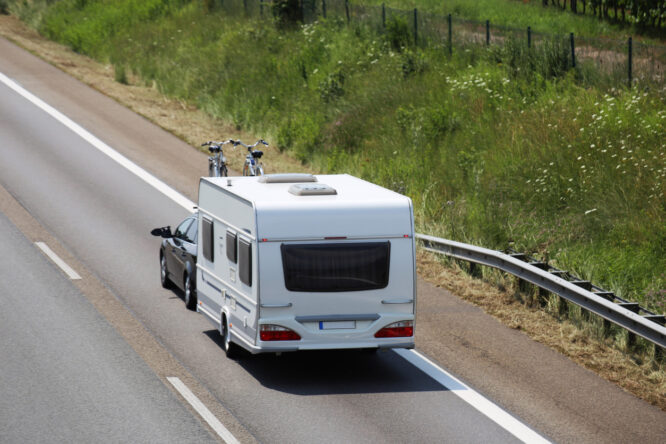
For most standard vehicles, the maximum length of a towed caravan or trailer is seven metres, not including the A-frame. That’s something many people don’t think about until they’re already shopping for one. Going beyond that limit can make the setup illegal on UK roads. It’s another example of where checking the details early can save you from having to rethink things later.
Caravans must meet specific size definitions.
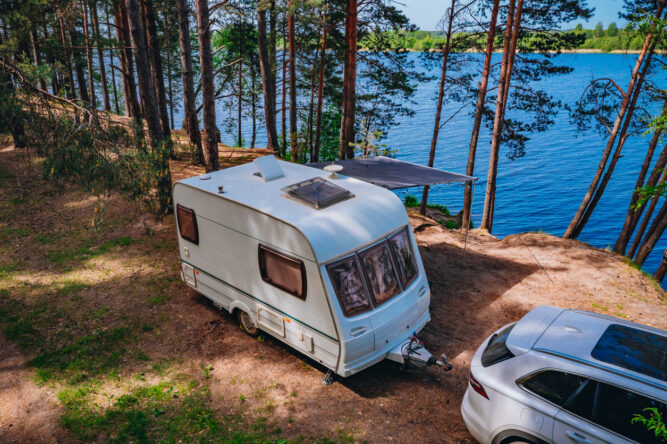
To be classed as a touring caravan under UK rules, it needs to fall within certain dimensions. That includes limits on length, width, and height. These definitions matter because they affect where and how the caravan can be stored and used. If it goes beyond those limits, different regulations may apply.
Insurance companies need to know where it’s stored.
It’s easy to overlook, but your insurance can be affected by where your caravan is kept. Moving it from one location to another without updating your details can cause problems if you need to make a claim. Whether it’s stored at home, on a site, or on private land, it’s worth keeping your insurer informed so everything stays valid.
Consideration matters just as much as the law.
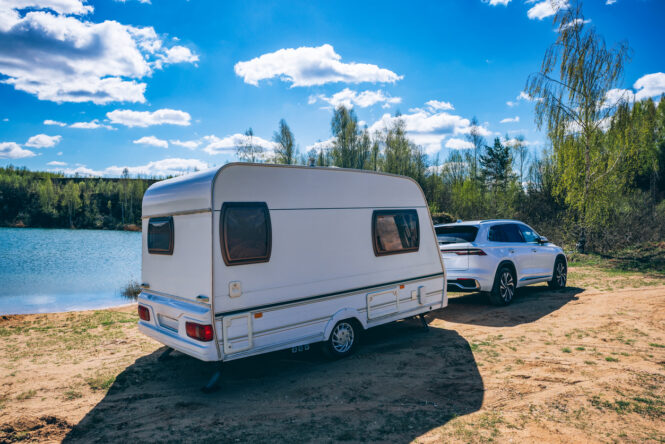
Even when something is technically allowed, it can still cause issues if it annoys neighbours or blocks shared spaces. Parking or storing a caravan without thinking about others often leads to complaints. Keeping things tidy, visible, and out of the way where possible tends to prevent problems before they start. A lot of disputes come down to how something is done, not just whether it’s legal.
Most problems come from assumptions, not rules.
A lot of caravan-related issues happen because people assume something is fine without checking. The rules aren’t always complicated, but they’re easy to overlook if you’re new to it. Taking a bit of time to understand the basics around towing, parking, and storage makes everything smoother. It means fewer surprises, fewer complaints, and a much more relaxed experience overall.