Some facts are just too weird or interesting to keep to yourself.

You read them, your brain does a double-take, and suddenly, you’re itching for the next person you see to walk into the room so you can blurt it out. This isn’t the dry, dusty trivia that helps you pass a school exam and then disappears forever; these are the genuine glitches in reality that make the world feel a lot more bizarre than it usually does on a wet Tuesday afternoon.
Whether it’s a bit of history that sounds like a fever dream or a quirk of nature that seems like it’s been made up for a film, these are the ultimate conversation starters. Once you’ve got these rattling around in your head, keeping them quiet is going to be a proper struggle.
Oxford University is older than the Aztec Empire.
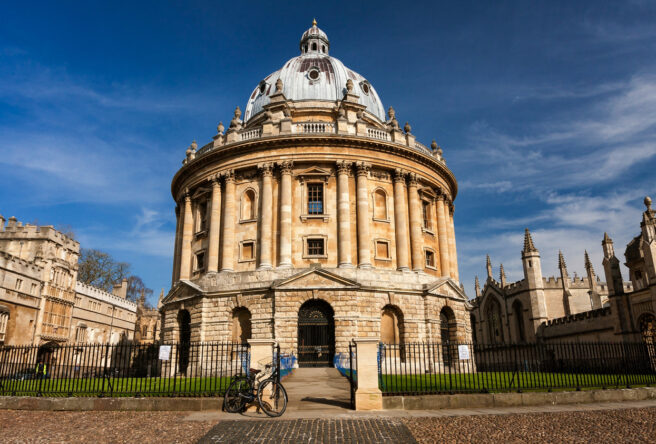
Teaching began at Oxford as early as 1096, and it developed rapidly into a proper university by 1167. The Aztec Empire didn’t come into existence until around 1428. So the next time someone describes university as a modern idea, Oxford alone has been running for over three centuries longer than one of history’s most famous civilisations.
Scotland’s national animal is the unicorn.

It has been since the 12th century. The unicorn was chosen because in Celtic mythology it represented purity, power, and independence—qualities the Scots were fairly keen to associate themselves with. It also historically represented the enemy of the lion, which was the symbol of England, which adds a layer of deliberateness to the choice that still feels very on-brand.
The Eiffel Tower grows taller every summer.

Thermal expansion causes the iron structure to grow by up to 15 centimetres in hot weather. It shrinks back in winter. This is also why the Forth Bridge in Scotland, which opened in 1890, requires near-constant maintenance. The steel expands and contracts with temperature throughout the year, and it genuinely never stops needing attention.
There are more chickens on Earth than any other bird.
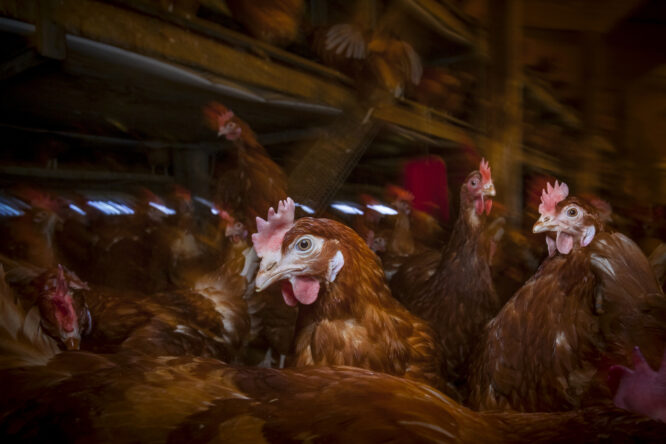
Current estimates put the global chicken population at around 33 billion, making them by far the most numerous bird species on the planet. The UK alone has roughly 180 million chickens at any given time, which works out at about two and a half chickens for every person in the country.
The UK has a cheese rolling competition that regularly sends people to hospital.

Every year at Cooper’s Hill in Gloucestershire, competitors chase a wheel of Double Gloucester cheese down a near-vertical slope. The cheese reaches speeds of up to 70 mph. People tumble the entire way down. There are volunteer catchers at the bottom to stop people rolling into the crowd. It has no formal safety measures worth speaking of and is considered one of the most dangerous traditions in the world. It continues regardless.
Cleopatra lived closer in time to the Moon landing than to the building of the Great Pyramid.
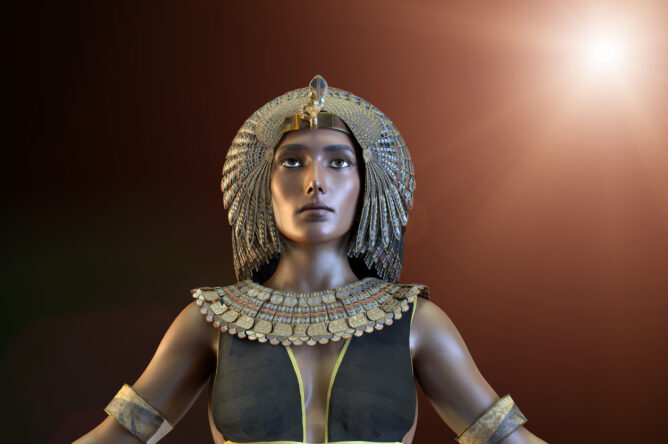
The Great Pyramid was completed around 2560 BC. Cleopatra was born in 69 BC, roughly 2,500 years after it was built. The Moon landing was in 1969, just over 2,000 years after Cleopatra. By that measure, she was a more recent historical figure to Neil Armstrong than the pyramids were to her.
The London Underground carries more passengers than the entire UK rail network combined.
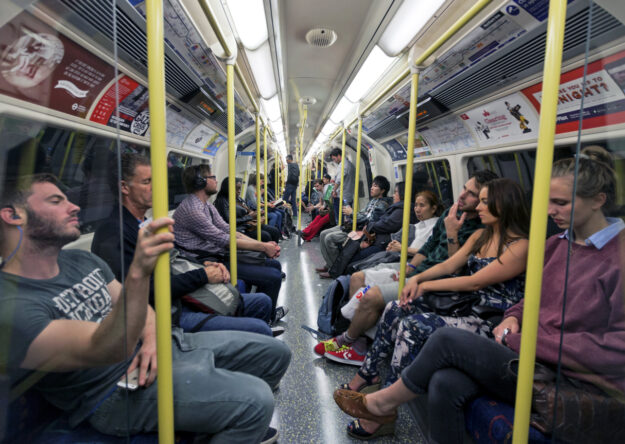
In a normal year, the Tube handles well over a billion passenger journeys. The entire national rail network outside of London handles fewer. This statistic tends to surprise people who assume the Tube is just one part of a much larger system, when in reality it is the system, at least in terms of volume.
Woolwich in London was once the largest employer in the world.
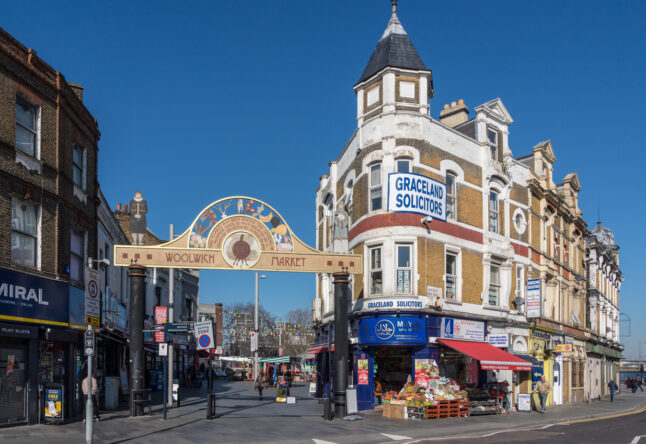
The Royal Arsenal at Woolwich, at its peak during the First World War, employed around 80,000 workers producing weapons and ammunition. It covered over 1,000 acres along the Thames and was by many measures the largest industrial complex on Earth at the time. Much of the site is now a residential development.
A day on Venus is longer than a year on Venus.

Venus rotates so slowly on its axis that a single day there takes 243 Earth days, while it completes an orbit of the Sun in just 225 Earth days. It also rotates in the opposite direction to most planets. If you stood on Venus and could somehow see the Sun, it would rise in the west and set in the east.
The UK invented the postage stamp, and the first one featured no country name.
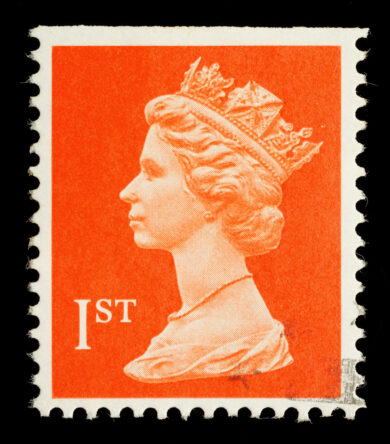
The Penny Black, issued in 1840, was the world’s first adhesive postage stamp. Because Britain invented the system, there was no need to specify the country — everyone knew where it came from. To this day, the United Kingdom is the only country in the world that doesn’t have to print its name on postage stamps, though it does now print the monarch’s silhouette instead.
There are more trees in the UK now than at any point in the last thousand years.

Britain was largely deforested during the medieval period, and tree cover hit historic lows in the early 20th century. Sustained planting programmes since then have reversed the trend, and current woodland cover is higher than it’s been for around a millennium. It’s still well below the European average, but the direction of travel is consistently improving.
It’s physically impossible to hum while holding your nose.

Try it now. Humming requires air to escape through your nose, so blocking it stops the sound completely. This has no scientific importance whatsoever but has ended many confident arguments at dinner tables across the country. Who knows who first came up with this strange test, but it’s been flummoxing people seemingly forever.
The Tube’s first journey predates the invention of the internal combustion engine.

The London Underground opened in January 1863, running between Paddington and Farringdon using steam locomotives. Karl Benz didn’t patent the first petrol-powered motor car until 1886. The world’s first underground railway was carrying passengers more than two decades before cars existed.
A group of flamingos is called a flamboyance.
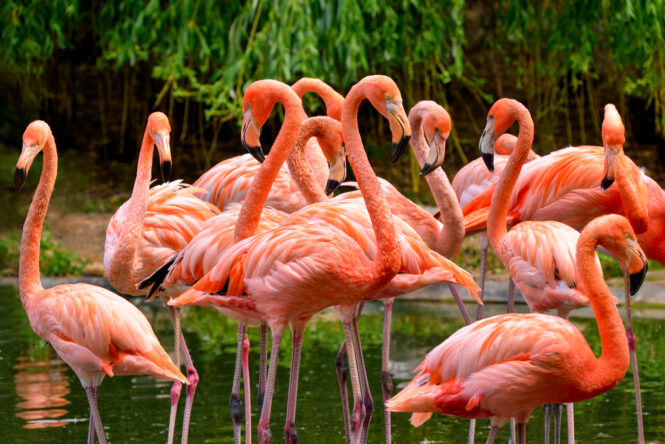
Which is perfect. A group of crows is a murder. A group of owls is a parliament. A group of cats is a clowder. English has put considerable thought into collective nouns for animals, and the flamingo one in particular seems to have been assigned by someone who genuinely cared about getting it right.
The shortest scheduled commercial flight in the world is in Scotland.

The Loganair flight between Westray and Papa Westray in Orkney covers about two and a half kilometres. In good conditions it takes approximately 90 seconds. The record for the shortest ever flight is 47 seconds. The service runs because the islands are actually inhabited, and the sea crossing is impractical in bad weather, so this tiny flight is a genuinely useful transport link rather than a novelty.
Honey never actually expires.

Archaeologists have found 3,000-year-old honey in Egyptian tombs, and it was still perfectly edible. The chemistry of honey—as in its low moisture content, high acidity and natural hydrogen peroxide production—makes it essentially inhospitable to the bacteria that cause spoilage. British honey from a local beekeeper has, in theory, an unlimited shelf life if stored correctly.
The Great Fire of London in 1666 only officially killed six people.
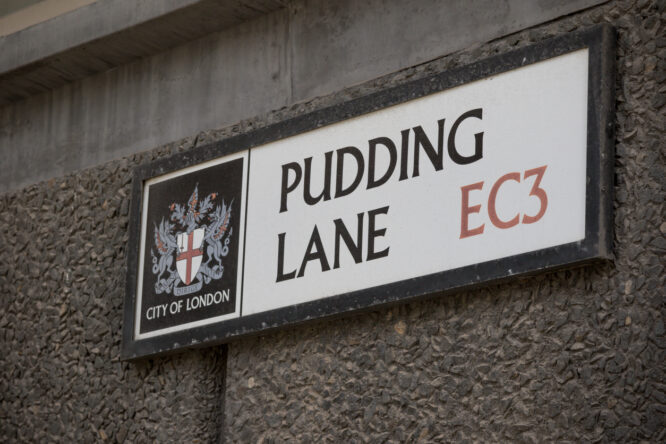
The fire destroyed around 13,200 houses, 87 churches and most of the medieval City of London, leaving roughly 100,000 people homeless. The official death toll was six. Historians suspect the actual number was considerably higher, but most of the victims would have been poor, and their deaths went unrecorded, while wealthy Londoners who survived documented everything exhaustively.
There are more species of insect in the UK than species of all other animals combined.

The UK is home to around 27,000 known species of insect and roughly 22,000 species of all other animals put together. Most people drastically underestimate insect diversity, partly because the vast majority of species are inconspicuous and partly because only a small number, such as bees, butterflies, and wasps, get regular attention. The others are quietly getting on with things in every garden in the country.
The inventor of the World Wide Web gave it away for free.

Tim Berners-Lee, a British scientist working at CERN, invented the World Wide Web in 1989 and deliberately chose not to patent it or charge for its use. He has said that if he had tried to commercialise it, the web as we know it wouldn’t exist. He was knighted in 2004 and is widely regarded as one of the most consequential living people in the world, which he seems to find mildly embarrassing.
The average person walks roughly 100,000 miles in a lifetime.

That’s the equivalent of walking around the circumference of the Earth four times. For most people in the UK, a significant portion of those miles happen in supermarkets, between their car and their front door, and in the specific route they’ve taken to work so many times they could navigate it unconscious. The fact that it adds up to four circumnavigations of the planet makes it feel considerably more impressive than it is in practice.