For a lot of people now in retirement or approaching it, hobbies were never meant to make money.

They weren’t side hustles or long-term plans; they were just things to enjoy after work, on weekends, or during slower years. What’s interesting is how many of those same hobbies have quietly turned into real income over time, not because people chased it, but because the world around them changed. There are plenty of things boomers used to do just for fun and personal enjoyment that are now making them a bit of extra cash.
Holding onto old toys that turned into serious collectibles

Plenty of people kept toys from their childhood or from their kids without thinking much about it. They were stored in lofts, cupboards, or boxes, more out of sentiment than anything else. Years later, those same items have become highly sought after. What once looked like clutter can now sell for far more than expected, especially if it’s in good condition or still boxed. The key thing is that no one held onto them with profit in mind, which is why it feels accidental when they suddenly have value.
Keeping vinyl records instead of replacing everything
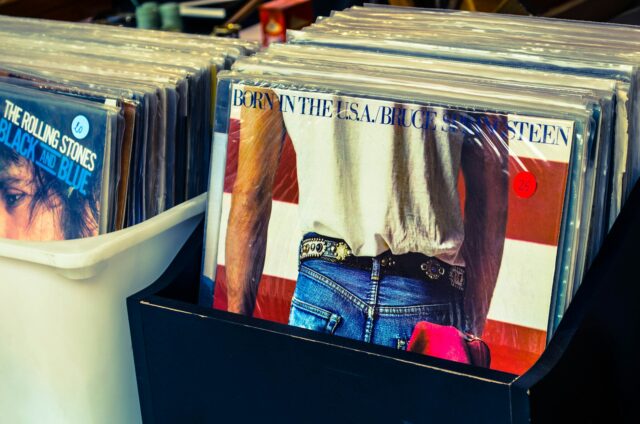
When newer formats came along, a lot of people didn’t fully switch over. They kept their vinyl collections because they liked them or simply never got rid of them. That turned out to be a smart move without anyone planning it. Vinyl has come back in a big way, and those old collections now carry real value. Some records are worth far more than people expect, and even everyday albums can add up when sold in bulk.
Taking photos long before it became something you could sell

Photography used to be about capturing memories. Holidays, family events, or just everyday life. It wasn’t something most people thought of as a way to make money. Now, those same skills can be used in completely different ways. Selling prints, uploading images online, or even just sharing consistently has opened up income opportunities. People who have been taking photos for years often realise they’ve built a skill set without even noticing.
Gardening that slowly turned into something people would pay for

Gardening has always been a go-to hobby, especially later in life. It’s practical, calming, and gives a sense of routine without pressure. As time goes on, it often becomes more than just a hobby. Extra plants, vegetables, or flowers start to build up, and people begin selling them locally or informally. Some even end up helping other people with their gardens, turning something simple into a steady source of income.
Craft skills that became valuable again
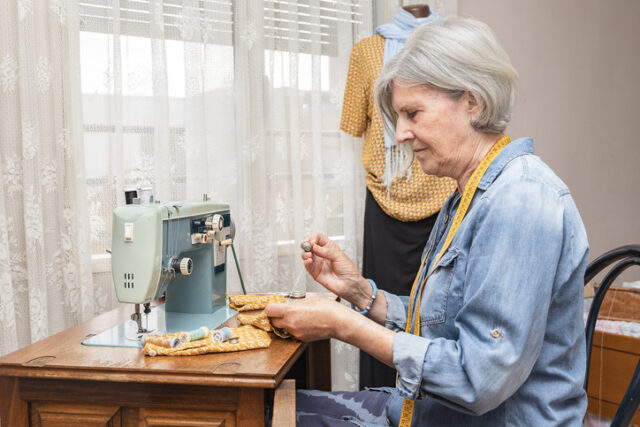
Knitting, sewing, woodworking, and other crafts were once just normal skills people picked up. They weren’t seen as business ideas, just something useful or enjoyable to do. Now, those same handmade items are back in demand. People want things that feel personal and well made, and that’s where these hobbies quietly turn into income. What used to be done for family and friends can now reach a much wider audience.
Collecting items that turned out to have niche demand
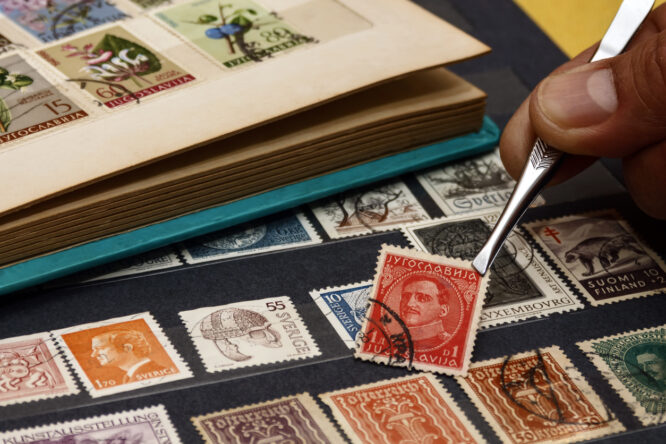
Some people naturally collect things over the years. It might be antiques, small objects, or items that don’t seem valuable to most people. The interesting part is how those collections can become valuable once demand appears. There’s often a niche group of buyers looking for very specific items, and long-time collectors already have what other people are trying to find.
Cooking and baking that became something other people wanted to buy

Cooking has always been part of daily life, but for some it becomes something they genuinely enjoy and spend time improving. That often leads to people asking for homemade food, baked goods, or help with events. It doesn’t feel like starting a business, but it naturally turns into one. The demand is already there, so the change happens without much effort.
DIY skills that turned into paid help without trying
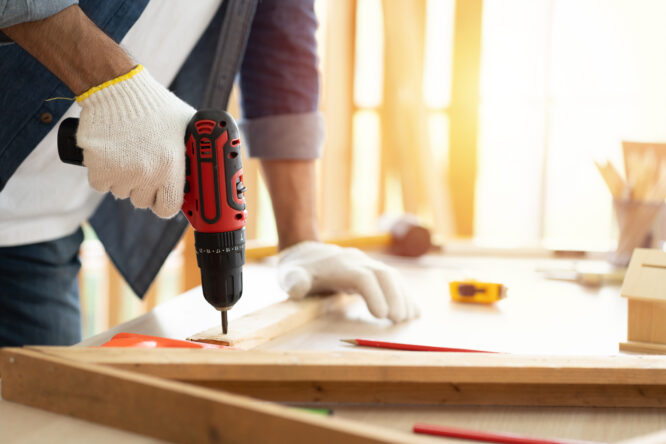
Fixing things around the house or building something from scratch used to be seen as normal, everyday skills. In the long run, those skills have become more valuable as fewer people feel confident doing them. What starts as helping neighbours or friends can turn into regular paid work, simply because people trust someone who knows what they’re doing.
Writing habits that slowly built something people follow

Writing used to be more personal. Letters, journals, or just putting thoughts down without any expectation of sharing them widely. Now, those same habits can grow into something bigger. Whether it’s blogs, articles, or online content, people who’ve been writing for years often find it easier to build something other people want to read, which can eventually lead to income.
Music skills that stayed useful for decades

Learning an instrument was once a common hobby, something people picked up when they were younger and kept going with. Later in life, those skills can turn into teaching, performing, or simply sharing music in ways that bring in money. It doesn’t require starting from scratch, which is why it often feels like a natural extension rather than a new venture.
Reselling things that were already sitting at home
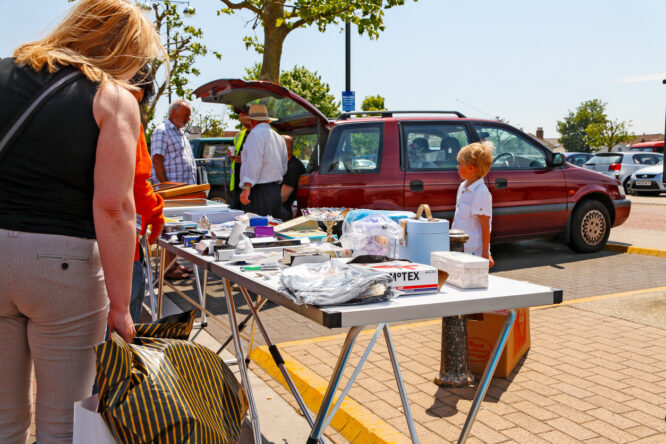
Over decades, people naturally collect belongings without thinking about their future value. Clothes, furniture, and everyday items build up after a while. When it comes to clearing space, many are surprised by how much those items are worth. What starts as a simple clear-out can turn into regular reselling once people realise how consistent the demand is.
Hobbies that grew simply because people stuck with them

The main pattern across all of these is that none of them started with money in mind. They were just part of everyday life, done consistently over years. What changed wasn’t the hobby itself, but the world around it. Selling became easier, demand increased, and suddenly those same hobbies had real value. It’s less about turning hobbies into income, and more about sticking with something long enough for it to pay off later.