For decades, we’ve been told that heading off to university is the definitive golden ticket to a high-flying career and a comfortable bank balance.

Sadly, with tuition fees at an all-time high and graduates entering the workforce saddled with decades of debt, more young people are seriously questioning whether three years of study is actually a sensible financial investment. The latest official earnings figures have shed some fascinating light on this debate, revealing a massive disparity between different subjects and institutions.
While certain qualifications still offer a massive boost to your lifetime earnings, others leave graduates taking home barely any more cash than those who skipped higher education entirely. Diving into the real numbers might help you decide if your chosen qualification’s genuinely paying off, or if it’s simply left you out of pocket.
This question is on every young person’s mind these days.

University used to be seen as a fairly obvious next step for anyone who could get the grades. Three or four years of studying, a bit of independence, lots of new friends and a degree to wave at employers afterwards. The financial side of it has changed dramatically over the past couple of decades, though, and the question of whether university is actually worth it is getting louder every year.
The average student now leaves university owing around £53,000, which is a serious amount of money. Tuition fees alone are £9,250 a year, and they’re set to rise to £9,535 from September. On top of that, maintenance loans are going up by £414. Once you’ve added in the cost of living during your studies, plus the years of interest charged on what you’ve borrowed, the total bill becomes eye-watering pretty quickly.
How the new student loan system works

The current Plan 5 student loans, which came in from 2023, mean graduates start paying back once they earn £25,000. That’s lower than the old threshold, which means many graduates will end up paying more, and for longer. The repayments are technically a percentage of your salary above that threshold, but they often feel like an extra tax that follows you around for decades.
The crucial point is that not every graduate will earn enough to clear that debt, particularly if they study something that doesn’t lead to high-paying jobs. Some degrees set you up brilliantly for a well-paid career, while others can actually leave you worse off than if you’d skipped university altogether and gone straight into work or an apprenticeship.
The degrees that lead to the biggest salaries

At the top of the heap is business and management at the University of Oxford. Graduates from this course can expect to earn around £93,800 a year five years after leaving university, which is nearly three times the UK median wage. That’s the kind of salary that makes the cost of tuition feel like a sensible investment rather than a millstone around your neck.
Computer science at the University of Cambridge used to be the top earner, with salaries of £99,600 for graduates five years out, but that figure has slipped to £86,100 this year. Even so, it remains one of the most lucrative paths through higher education. Other consistently high-earning subjects include economics, law and engineering, especially when studied at one of the country’s top universities.
Medicine and dentistry remain solid bets

If you look at earnings by subject across all UK universities rather than just the top ones, medicine and dentistry come out clearly on top. Graduates earn an average of £53,300 a year, which reflects the long training, demanding nature of the work, and the fact that there’s always demand for qualified doctors and dentists.
The downside is that these degrees take longer than most, often five or six years, plus extensive further training afterwards. The route is also notoriously competitive to get on in the first place. But for anyone with the academic ability and the temperament for it, medicine and dentistry remain two of the most reliable financial choices in higher education, with the bonus of doing genuinely useful work.
The degrees that don’t pay off financially

At the other end of the table, performing arts graduates earn the lowest salaries of any subject group. Five years after graduating, they’re taking home just over £24,800 on average. That’s not much more than someone working full-time on the national minimum wage, and it’s actually below the £25,000 threshold for starting student loan repayments. So while these graduates avoid paying back their loans, they’re also stuck on fairly modest incomes.
The very lowest earnings were for creative arts graduates from Writtle University College, which has since merged with Anglia Ruskin University. Five years after finishing, this group was earning just £17,200 a year on average. That’s a particularly bleak return on three years of study plus tens of thousands of pounds in debt. It’s the kind of figure that ought to make anyone think twice before signing up to a creative arts degree at a less well-regarded institution.
The “Mickey Mouse” degrees debate

You’ll sometimes hear politicians or commentators talking about “Mickey Mouse” degrees, which is a slightly snobby term for courses they think don’t offer good value. The data does suggest that some degree-university combinations really don’t pay off financially, especially those that combine softer subjects with lower-ranked institutions. Whether you should still study them depends on what you’re hoping to get out of university.
If you genuinely love a subject and don’t mind earning less, there’s no shame in following your passion. Plenty of people lead happy lives in lower-paid careers because they enjoy what they do. The issue is when students sign up to expensive degrees without understanding the financial reality afterwards, and end up trapped between low earnings and high debts they can’t realistically pay off in any reasonable time.
Where you study matters as much as what
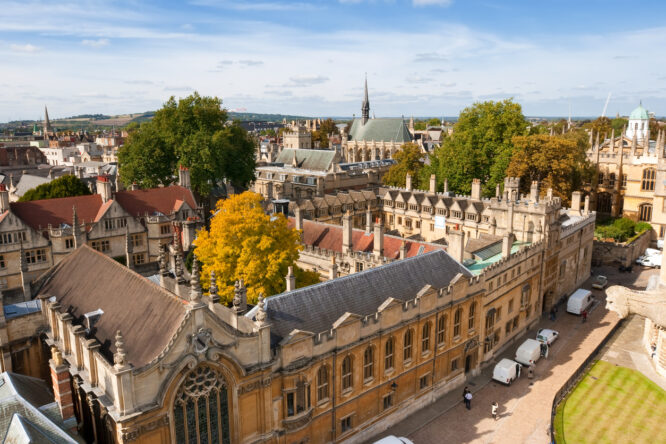
One of the most striking things about the figures is that the same subject can lead to wildly different earnings depending on where you study. A computer science graduate from Cambridge might earn well over £80,000 a year, while a graduate of the same subject from a less prestigious university could earn closer to the national average. Brand and reputation of the university plays a huge part, especially in fields like law, finance, and consulting where employers actively recruit from a small group of top institutions.
It’s not just snobbery, either. Top universities tend to have better connections to high-paying employers, stronger careers services, and more competitive students who push each other to succeed. They also have access to high-profile internships and graduate schemes that can shape your career before you’ve even left university. So if you’re picking based on earning potential, the choice of university is just as important as the choice, of course.
Are graduates even getting jobs?

The data also looks at how many graduates are actually in regular employment or further study when surveyed afterwards. This is sometimes called employment outcomes, and it varies wildly between courses. The lowest employment rate for any course was philosophy at the University of Cumbria, where just 59.4% of graduates were in steady work or studying further when surveyed.
That’s quite a sobering figure. It means a meaningful chunk of graduates from that particular course were unemployed, in casual work, or otherwise not making use of their degree in the obvious sense. Employment outcomes are worth looking at alongside earning potential because there’s no point earning a great wage on paper if hardly any graduates from your course actually end up in those well-paid roles.
What you could do instead of university

For some people, the better financial choice is to skip university altogether and go down a different route. Apprenticeships have become genuinely competitive in recent years, with degree apprenticeships in fields like accounting, engineering, software development and law offering the chance to earn a salary while studying, ending up with both qualifications and zero debt. Some of these schemes are now offered by the biggest names in business, including the Big Four accountancy firms and major tech companies.
Starting your own business, going straight into a trade like plumbing or electrical work, or working your way up in retail or hospitality are all routes that can lead to genuinely good earnings without ever taking on student debt. None of this is to say university is the wrong choice, but it’s worth knowing that the traditional path isn’t the only one that can lead to a comfortable financial future.
The questions worth asking before signing up

If you’re trying to decide whether university is worth it, there are a few key questions to ask. What is the average salary five years after graduating for the specific course and university you’re considering? How many graduates from that course are actually employed in their field? What are the entry requirements and how competitive is it to get on the most rewarding programmes? And how much will you owe by the end of it?
None of these questions are easy ones, and the honest answer is that the right choice varies hugely from person to person. The financial side matters, but it shouldn’t be the only thing you weigh up. What you’d be miserable doing versus what would make you genuinely happy matters just as much. The numbers can guide your thinking, but the final call needs to take into account the kind of life you actually want to live.