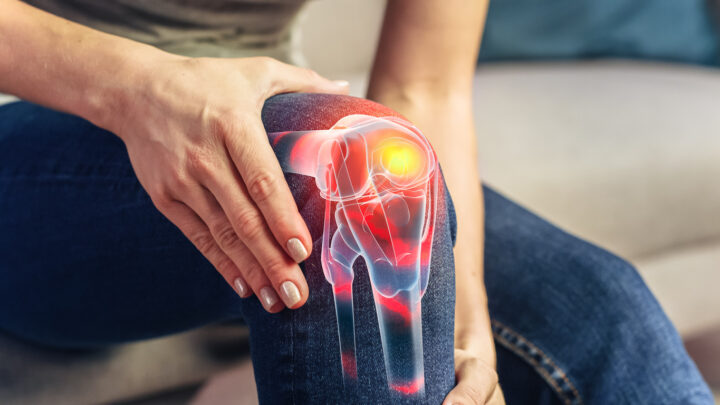
When you’re trying to get from A to B using your own steam, hopping on a bicycle always feels remarkably faster and easier than trudging along on foot.
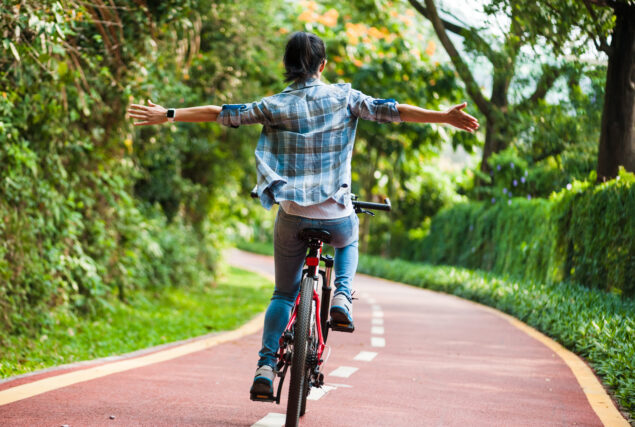
It isn’t just your imagination, either; researchers have spent years measuring the exact energy cost of human movement, and the data shows a massive gap between the two. While walking seems like the most natural thing in the world, the human body actually has to work incredibly hard to fight gravity and momentum with every single step.
By contrast, a basic bicycle is a masterpiece of biomechanical engineering that completely changes how we use our muscles. Looking at the clever science behind gear ratios and rolling resistance shows why turning pedals is the ultimate way to move your body without burning through all your energy.
Cycling beats walking when it comes to using your energy.
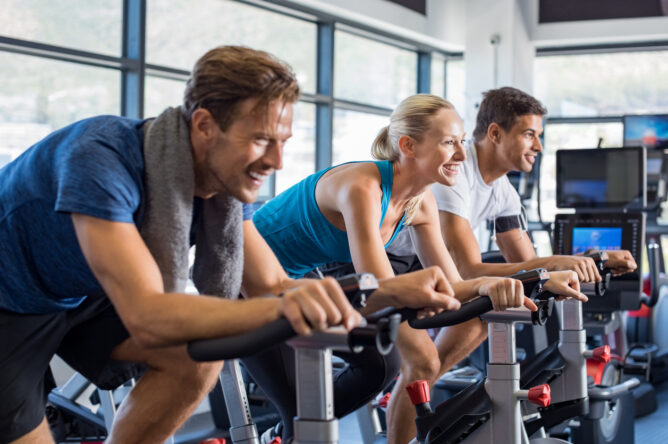
The best exercise you can do is honestly the one you actually enjoy because there’s no point sticking to something you hate doing. However, if you’re looking for a really efficient way to add more movement to your day, cycling is genuinely one of the best things going. Scientists reckon it’s around four to five times more efficient than walking, which is a pretty huge difference.
The reason is all about how your body moves. When you walk, you bob up and down with every step, which wastes a fair bit of your energy. When you cycle, almost all of the energy you put into the pedals goes straight into moving you forwards. That means you can cover way more distance on a bike using the same amount of effort. You could cycle to your friend’s house and back before you’d have even reached the corner shop on foot.
You burn more calories without it feeling harder.

Here’s something quite cool about cycling. A grown-up who weighs around 70 kg would burn between 150 and 190 calories walking for half an hour at a steady pace. If they spent the same half hour cycling at a comfortable speed, they’d burn between 240 and 290 calories. That’s a much bigger number for roughly the same amount of effort.
One reason cycling burns so many calories is that you’re not carrying your whole body weight on your feet. The bike does that work for you. That means you can push yourself for longer without your legs and feet getting sore, which is brilliant for anyone who finds walking long distances tiring. It’s also why cycling is one of the most recommended exercises for people who are just getting started or are a bit older.
Your heart loves it.

Your heart is the most important muscle in your whole body, and like any muscle, it gets stronger the more you use it. When you cycle, your heart works harder to pump blood around your body, which gives it a proper workout. Over time, this makes your heart stronger and better at its job.
A big study from 2019 found that people who cycle regularly have much healthier hearts and lungs, and a much lower risk of nasty things like heart attacks and strokes. The same study showed that having a strong heart and lung system is linked to living longer, healthier lives. So every time you hop on a bike, you’re basically giving your heart a gift that keeps on giving.
Cycling could help protect you from cancer.
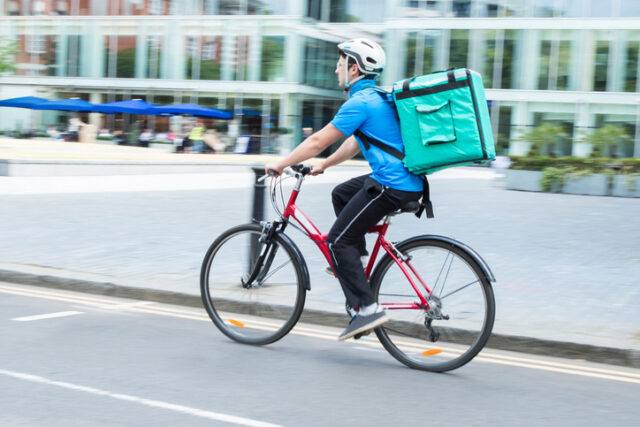
This one is genuinely amazing. Scientists at the University of Glasgow looked at over 250,000 people and tracked how they travelled to work each day. After five years, they found that people who cycled to work were 45% less likely to develop cancer compared to people who got there in a car or on the bus.
That’s a really big difference for something as simple as choosing to pedal instead of sitting in traffic. Researchers think it’s partly because cyclists get loads more exercise throughout the week without really thinking about it, and partly because being active helps your body work properly in all sorts of ways. Either way, the more you cycle, the better your chances of avoiding some pretty serious illnesses later in life.
It builds muscles all over your body.

You might think cycling only works your legs, but it actually uses far more muscles than that. Your thighs, bum, hamstrings and calves all get a proper workout as you push the pedals. But your core muscles in your tummy and back are working hard too, keeping you balanced and upright. Even your arms and shoulders are doing a job, holding the handlebars steady and helping you steer.
The cool thing about stronger muscles is that they help protect your bones and joints from injuries. They also make you less likely to fall over as you get older, which means you can stay independent and active for longer. So every bike ride is basically a full-body workout in disguise, even though it just feels like you’re going for a nice spin.
It’s brilliant for your mood, too.

Exercise doesn’t just help your body, it really helps your brain as well. When you cycle, your body releases happy chemicals called endorphins. At the same time, the levels of a stress chemical called cortisol go down. That combination is why you almost always feel better after a bike ride, even if you were grumpy before you got on.
There’s also something special about being outdoors that adds to the effect. Fresh air, sunshine, the sound of birds and the chance to see the world go by all make your brain feel calmer and clearer. If you’ve had a stressful day at school or work, a 20-minute bike ride often does more good than scrolling on your phone or sitting in front of the telly. It’s like hitting a reset button on your mood.
Cycling is easy to fit into normal life.

One of the best things about cycling is that it doesn’t have to feel like exercise. You can cycle to school, the shops, a mate’s house, the park, or anywhere else you’d normally go in a car or on foot. Instead of setting aside time to work out, the movement just becomes part of your day. By the time you’ve cycled to school and back for a week, you’ve fit in loads of exercise without even noticing.
The same goes for grown-ups cycling to work. If they ditch the car a few days a week and pedal in instead, they’re getting all the heart, mood, and weight benefits while also saving money on petrol and parking. It’s a really sneaky way to add a load of movement to a life that might otherwise involve sitting at a desk for hours on end.
How to get started safely

If you want to give cycling a proper go, the first step is to make sure your bike fits you. The seat should be high enough that your leg is almost straight when the pedal is at the bottom of its rotation, but you should still be able to touch the ground with the tip of your toes when you’re sitting on it. A bike that’s too small or too big is much harder to ride.
Always wear a helmet, no matter how short the journey. Add lights and reflective bits if you’re cycling in the dark or in winter, when it gets gloomy early. Start with short, easy rides on quiet roads or cycle paths until you feel confident, and don’t try to go too fast or too far in the first week. Your legs and bum will be a bit sore at first if you’re not used to it, but that goes away quickly once your body adjusts.