When we think about eating healthily, we usually focus on our hearts, waistlines, or gut health.
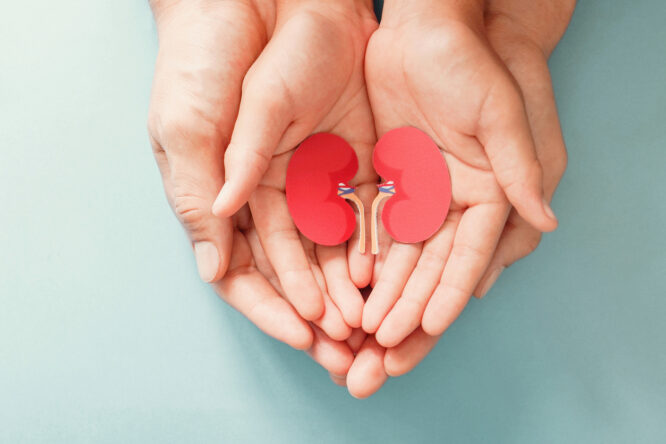
Meanwhile, our kidneys get on with the hard work in the background. That being said, looking after these vital organs doesn’t mean you have to live on a boring diet or skip snack time altogether. In fact, making a few simple tweaks to what you graze on between meals can make a massive difference to how well they filter out waste and keep your body running smoothly. You simply need to know which ingredients do the heavy lifting and which ones are best left on the supermarket shelves. Here’s how to navigate the snack cupboard to find the treats that keep your kidneys in top shape without sacrificing on flavour.
There’s one snack in particular worth reaching for.

An apple and a small handful of almonds. That’s it. It sounds almost too simple, but the combination works really well for kidney health specifically, and there are a few solid reasons why. They’re not just vaguely healthy—the two foods together tick a number of boxes that matter for your kidneys in particular.
The key thing is that apples are naturally low in potassium and phosphorus. When kidneys aren’t working at full strength, those minerals can build up in the blood, so keeping them in check through food is a good thing. Almonds do contain a bit more of both, but a small portion keeps things balanced, and portion size is what makes the difference there.
What does fibre have to do with your kidneys?
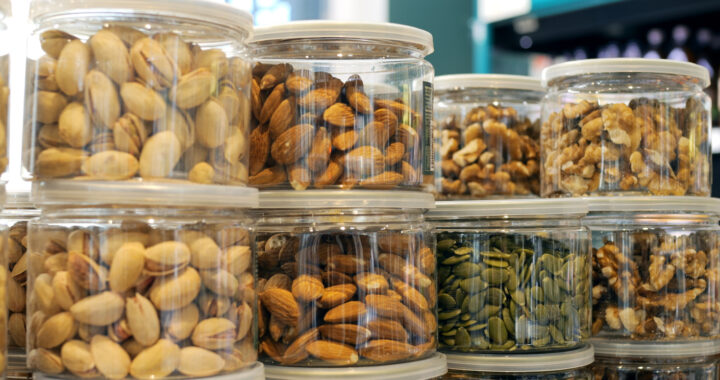
Both apples and almonds contain fibre, and fibre slows down how quickly food is digested. That’s important because it helps keep blood sugar levels more stable after eating rather than letting them spike. Diabetes is one of the biggest causes of kidney disease, so anything that helps manage blood sugar regularly is doing your kidneys a quiet favour over time.
It also keeps you full for longer, which means you’re less likely to reach for something sugary or salty in between meals. That’s not a small thing when you’re trying to make habits that actually stick.
There’s a link between the heart and kidneys that most people don’t know about.

Your heart and kidneys are closely connected. Healthy blood flow and stable blood pressure help your kidneys function well, and when your heart is under strain, your kidneys tend to feel it too. Almonds contain monounsaturated fats that are good for cardiovascular health, which indirectly supports the kidneys as well.
Apples bring their own benefits for heart health through plant compounds and soluble fibre. So the combination isn’t just good for one thing, it’s quietly supporting several systems at once without you having to think too hard about it.
The salt and sugar thing is really important.

Most packaged snacks are loaded with sodium or added sugar, sometimes both, and that puts extra pressure on the kidneys over time. It’s not about one bag of crisps being a disaster, it’s more that if that’s your daily default snack, it adds up.
An apple with plain unsalted almonds sidesteps all of that. The sweetness comes from the fruit, the almonds give you something satisfying and savoury, and there’s no hidden salt to worry about. Just make sure you’re going for raw or dry-roasted almonds without added seasoning because the salted versions defeat the point a bit.
How much should actually eat?

A medium apple and a small handful of almonds is the right ballpark. Around 20 to 25 almonds is a reasonable portion, roughly what fits in your palm. Going much beyond that does start to push the potassium and phosphorus content up, so it’s one of those situations where more isn’t necessarily better.
If you have existing kidney disease, or you’re already managing specific dietary restrictions, check with your GP or a dietitian before making changes because individual needs vary quite a bit. For most healthy people, though, this is a pretty safe and beneficial snack to build into the day.
Sleep matters more than most people give it credit for.

Food is only part of the picture. Sleep is one of the most underrated things for kidney health, and most adults aren’t getting enough of it consistently. Aiming for seven to eight hours gives your body the time it needs to repair and regulate itself, and that includes your kidneys doing some of their recovery work overnight.
It’s easy to treat sleep as the thing you sacrifice when life gets busy, but it has a knock-on effect on blood pressure, blood sugar, and stress hormones, all of which directly affect kidney function. Getting that sorted tends to make everything else easier too.
Movement helps in ways that go beyond fitness.

Regular physical activity helps manage blood pressure and blood sugar, both of which are major factors in long-term kidney health. It doesn’t need to be intense or structured, thirty minutes of walking most days is enough to make a real difference. The consistency matters more than the intensity.
If you’re sedentary for most of the day, even just getting up and moving around more frequently has benefits. Sitting for long stretches isn’t great for circulation generally, and better circulation means your kidneys are getting what they need to do their job properly.
Stress is harder to measure, but you need to take it seriously.

Chronic stress raises blood pressure over time, and elevated blood pressure is one of the things most likely to damage your kidneys in the long run. Managing stress isn’t always straightforward, but finding something that genuinely helps you decompress regularly makes a difference to your physical health, not just your mood.
It doesn’t have to be meditation or yoga if those aren’t your thing. A walk, time with people you enjoy, something creative, anything that reliably brings your stress levels down counts. The kidneys benefit from a calmer nervous system, even if that sounds like a stretch.
Keep an eye on blood pressure at home.

High blood pressure is one of the leading causes of kidney damage, and a lot of people have it without knowing because it doesn’t usually cause obvious symptoms. If you haven’t had yours checked recently, it’s worth doing. Most pharmacies offer it for free, and a home monitor isn’t expensive if you want to keep an eye on things more regularly.
The target most people are aiming for is below 140/90, though your GP might have a slightly different figure in mind depending on your circumstances. It’s one of those numbers that’s actually useful to know, and keeping it in a healthy range is one of the most direct things you can do for your kidneys over the long term.