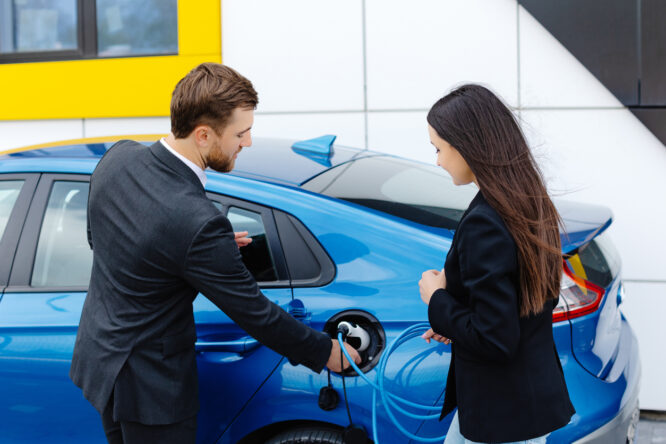
Electric car owners across parts of the UK are facing what some campaigners are calling a postcode lottery.
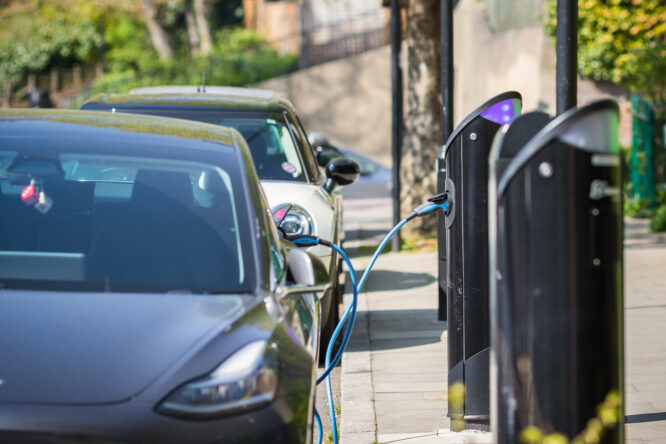
That’s because drivers in certain council areas being forced to pay far more to charge their vehicles simply because they don’t have a driveway. The issue centres around cross-pavement charging channels, often called gullies, which allow residents to safely run a charging cable from their home across the pavement to their parked electric car. While some councils support them, others refuse to allow them because of safety and accessibility concerns.
Charging at home is usually much cheaper than public chargers.

One reason this matters so much is because charging an electric vehicle at home can cost far less than using rapid public chargers. Domestic electricity is taxed at just 5% VAT, while public charging is taxed at 20%.
That difference can leave drivers paying considerably more over the course of a year if they’re unable to access home charging. Some reports suggest certain EV owners could save up to £1,500 annually if they were able to charge from home instead of relying heavily on public networks.
Many people without driveways feel stuck.
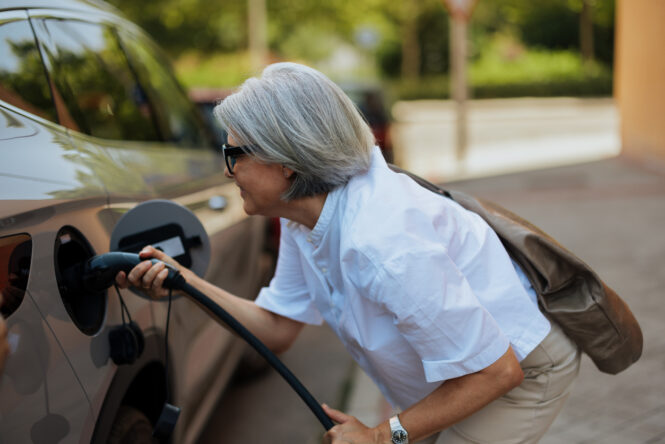
Drivers who live in terraced housing, flats, or streets without private parking often have no easy way to install a charger outside their property. Cross-pavement gullies were designed as one possible solution to that problem.
These systems usually involve a narrow channel built into the pavement that safely holds the charging cable in place. Supporters argue they’re far safer than loose cables stretched across pavements, but not every council agrees.
Councils say safety and accessibility come first.

A major reason many councils are refusing gullies is concern over trip hazards and accessibility issues for disabled people, wheelchair users, visually impaired pedestrians, and parents with pushchairs. Some local authorities argue that even protected cables can still create problems on busy pavements. Others believe large-scale installation would create expensive maintenance and safety challenges over time.
Some councils are choosing alternative charging systems instead.

Rather than allowing pavement channels, several councils are focusing on other types of public charging infrastructure. Lamp-post chargers, on-street charging bays, and public charging hubs are becoming more common in some areas.
Councils including Tower Hamlets and Islington have invested heavily in public charging points instead of allowing residents to run private charging cables across pavements. Kensington and Chelsea also plans to install more public chargers instead of introducing gullies widely.
The Government has already offered funding support.

The debate became more heated after it emerged that several councils declined funding from a Government scheme designed to help support pavement charging projects. The Electric Vehicle Pavement Channels Grant was intended to make home charging more accessible for people without driveways. But millions of pounds reportedly went unused after many councils chose not to take part.
Some experts believe attitudes could eventually change.
Companies working on EV charging technology say newer pavement channel systems are becoming safer and more practical than earlier versions. Some councils are still reviewing policies and discussing whether future installations could work safely.
Supporters argue that as electric vehicle ownership rises, pressure will grow for better solutions for households without driveways. Otherwise, many drivers may continue paying far more simply because of where they live.
The full list of councils currently not allowing or reviewing EV gullies.

According to the report, the following councils either don’t currently allow cross-pavement charging gullies or are still developing policies around them:
Argyll and Bute Council
Hampshire County Council
Herefordshire Council
Kent County Council
Knowsley Metropolitan Borough Council
Leicester City Council
Ealing Council
Hackney Council
Hounslow Council
Lambeth Council
Merton Council
Waltham Forest Council
Medway Council
Midlothian Council
Royal Borough of Kensington and Chelsea
Sefton Metropolitan Borough Council
Somerset Council
Staffordshire County Council
Westminster City Council
Worcestershire County Council
The wider argument is really about fairness.

Electric vehicles are often presented as the future of driving, but critics say the transition becomes much harder when cheaper home charging is only realistic for people with private driveways. For many households living in older streets or built-up urban areas, the concern isn’t just about convenience. It’s about whether owning an electric vehicle remains affordable at all when charging costs vary so heavily depending on postcode.