Retirement used to mean stopping.

You’d worked for decades, you’d earned the rest, and that was supposed to be enough. However, a lot of people find that the structure disappears, and they miss it more than they expected. The money side of things can get tighter too, especially with the cost of living doing what it’s been doing. The good news is that plenty of retirees are finding ways to bring in a bit of extra cash doing things they actually enjoy, and some of them are making a decent amount from it.
Photography can go from a pastime to a proper little earner.
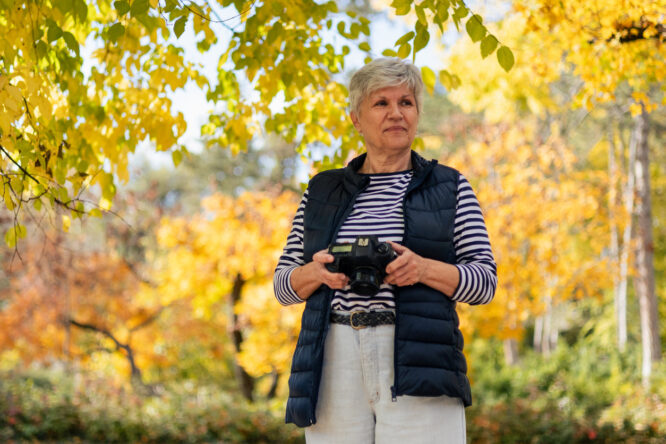
If you’ve spent years getting good with a camera, there’s real demand for what you can do. Local families want portraits done. People need someone to photograph a birthday party, a small wedding, a graduation. Community events often need a photographer and don’t always have the budget for a professional agency, which means someone with a good eye and reasonable equipment can fill that gap without much trouble.
There’s also stock photography, where you upload images to platforms that licence them out and pay you a cut every time someone downloads one. It’s not quick money, but over time a decent library of images can generate a steady trickle of income without you doing much at all. Nature shots, everyday scenes, food, architecture, all of it sells if the quality’s there.
Woodworking is one of the more lucrative hobbies to sell from.
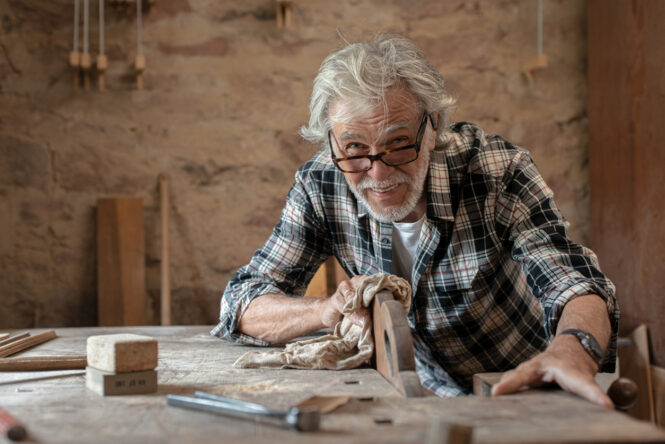
Handmade wooden items sell well because people can feel the difference between something made by a person and something that came off a production line. Cutting boards, shelving, garden furniture, children’s toys, personalised signs, all of these have a strong market at craft fairs and on selling platforms. Custom orders tend to pay the best, since buyers will pay a premium for something made to their exact specifications.
The startup costs are mostly already covered if you’ve been woodworking as a hobby for a while. You’ve got the tools, you’ve got the skills, and you probably already know what you’re capable of making. The main change is just deciding to charge for it, which feels awkward at first but quickly becomes normal once you’ve seen how much people are willing to pay for quality handmade pieces.
Gardeners can sell far more than they realise.

If your garden produces more than you can use, you’re already sitting on inventory. Vegetables, herbs, seedlings, cut flowers, jams, and preserves all sell consistently at farmers’ markets and local community events. People want to buy from someone who grew the thing themselves, and that personal connection adds value that a supermarket simply can’t offer. Specialist or unusual plants can fetch particularly good prices from other gardeners who can’t find them easily elsewhere.
Some retirees go a step further and offer their knowledge as a service, helping neighbours plan and maintain their outdoor spaces. Garden design doesn’t have to mean a formal qualification. Years of hands-on experience count for a lot, and plenty of people would rather pay someone they trust than hire an agency. It’s the kind of work that tends to grow through word of mouth once you’ve done a good job for one person on the street.
Teaching what you know is easier to set up than most people think.

Decades of professional experience in any field has real value to people who are still learning. Retired teachers, engineers, accountants, scientists, and tradespeople all have knowledge that students and career-changers actively want access to. Tutoring doesn’t require much setup, just a subject you know well, a way to communicate it clearly, and somewhere to meet or a way to connect online.
Demand for tutoring in maths, science, and English remains consistently high, particularly around exam seasons. But it’s not limited to school subjects. Adults learning to navigate technology, people retraining for new careers, small business owners who need help with their accounts, all of these are potential clients for someone who spent a career in the relevant field. Rates vary, but experienced tutors in high-demand subjects can charge well.
Baking and cooking have turned into real businesses for some retirees.

Home baking has a strong and loyal market, particularly for celebration cakes, artisan bread, and treats that people can’t easily replicate at home. Selling directly to neighbours, through local social media groups, or at markets is how most people start, and from there it tends to build on its own once people have tasted the product. The regulations around selling food from home in the UK are worth reading up on, but they’re not as daunting as they sound for small-scale operations.
For those who’d rather teach than sell, cookery classes have become popular. They work well in person and online, and they suit all kinds of levels, from complete beginners to people who want to get confident with a specific cuisine or technique. You don’t need a professional kitchen or a catering background. You need to be really good at cooking and able to explain what you’re doing in a way that makes sense to someone who isn’t.
Pet sitting and dog walking suit people who deeply love animals.
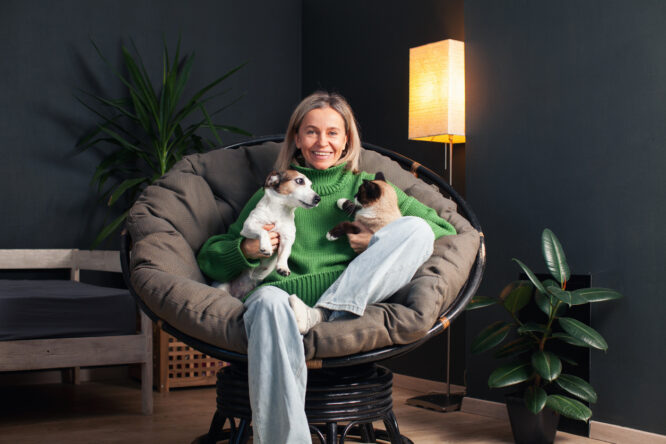
This one works particularly well for retirees because the flexibility is built in. You can take on as much or as little as suits you, and the demand is there because plenty of working people need reliable, trustworthy care for their animals during the day or when they’re away. Dog walking in particular pays reasonably well per hour and gets you outside, which most people consider a bonus rather than a downside.
Pet sitting, where people leave their animals with you rather than in a kennel, commands higher rates and tends to suit retirees who are home a lot anyway. Owners want someone calm, attentive, and fond of animals rather than someone doing it purely as a transaction. That’s exactly what a retired animal lover tends to offer, and once you’ve built a reputation with a few clients, the referrals do most of the work for you.
Creative skills like knitting, sewing, and crafting have a real market.

The appetite for handmade goods has grown considerably over the last few years, with buyers actively seeking out items made by individuals rather than manufactured at scale. Knitting, crochet, embroidery, jewellery-making, card-making, and ceramics all have buyers willing to pay for quality work. Etsy and similar platforms make it possible to reach customers far beyond your local area without needing a physical shop.
Selling online does take a bit of learning initially, mostly around how to photograph your work well and how to describe it in a way that helps people find it. But these are learnable skills, and there’s no shortage of straightforward guidance available. For those who’d rather stay local, craft markets run year-round in most towns and are a good way to gauge what sells before investing time in a particular product line.
Writing and sharing knowledge online costs almost nothing to start.

Blogging, writing newsletters, or creating content around a subject you know well can generate income over time through advertising, sponsorship, or paid subscriptions. It’s not fast money, and it takes consistency to build an audience, but the costs involved are minimal, and the work fits around any schedule. Retired professionals who spent careers in niche industries often find there’s an audience hungry for plain-language explanations of things that are poorly covered elsewhere.
Self-publishing is another route worth knowing about. Writing a practical guide, a memoir, or a how-to book in your area of expertise is now straightforward to do independently, without going through a traditional publisher. Digital versions cost nothing to produce beyond time, and print-on-demand means physical copies only get made when someone orders one. It won’t replace a pension, but it’s a way of putting something you know into the world and getting paid for it.
There are a few things you should know before you start.

If you’re receiving your state pension and want to earn on the side, there’s no earnings limit to worry about. The rules around working in retirement changed specifically for state pension recipients, and what you earn from a side hustle won’t reduce what you get. Tax is a different matter, and it’s worth checking where you stand if your earnings creep up, since everyone has a personal allowance and anything beyond it needs to be declared through self-assessment.
Starting small is nearly always the right move. Pick the one thing you already do well and enjoy, try selling it or offering it to a few people, and see what the response is before putting money into equipment or platforms. Most of the successful hobby businesses retirees run started with almost no investment at all, just time, skill, and a willingness to put a price on something they’d previously done for free.