Water bills have jumped since April, and with drought declared across Wales and most of England this summer, cutting down on what your household uses every day has quickly moved up the priority list.
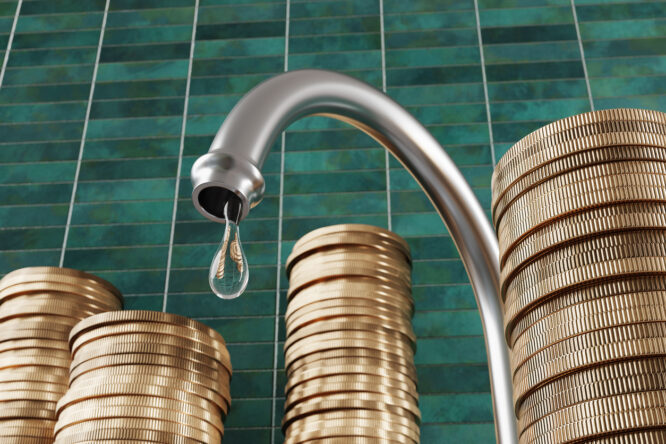
With hosepipe bans rolling out and utility companies hiking their rates, watching litres literally go down the drain is hitting both the environment and family bank accounts hard. The upside is you don’t need to completely overhaul your daily routine to see a massive difference, as a handful of simple, targeted changes to how you run your kitchen, bathroom, and garden can bring your bills right down and claw back well over £1,000 a year.
Check whether a water meter could save you money.
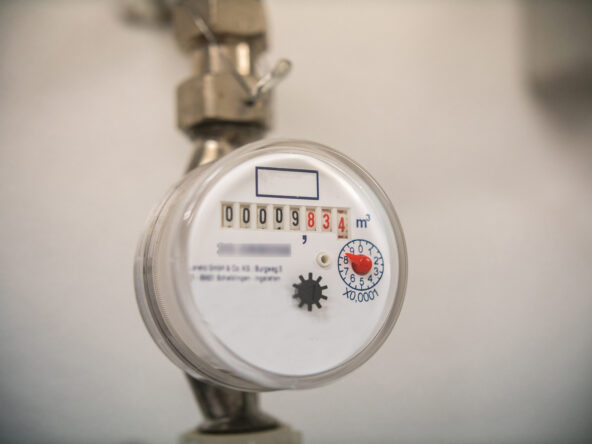
If your home doesn’t have a water meter, you’re likely still being billed under the old pre-1990 rates system, where charges are based on your property’s rental value rather than how much water you actually use. That system tends to penalise bigger homes even when they house relatively few people, since a larger property gets billed more regardless of actual consumption.
A simple way to gauge whether switching makes sense: if there are as many or more bedrooms in your home than people living there, there’s a decent chance a meter could save you money. Water meters are free to install and switch you onto a system where you’re billed for exactly what you use rather than an estimate based on your home’s size. One household reported their direct debit dropping from £108 a month to just £19, a saving of over £1,000 a year, after making the switch.
You’re not locked in once you’ve switched.

If you’ve voluntarily had a meter fitted and it turns out not to work in your favour, most (though not all) providers give you up to two years to switch back to your previous billing method. You’ll want to make sure you check your specific supplier’s policy before committing, since terms do vary between companies.
What to do if you’ve been told a meter isn’t possible

Some households, particularly those with shared pipework or living in flats, are told by their water company that a meter simply can’t be fitted. If that applies to you, it’s worth asking for what’s called an assessed-charge bill instead.
This works out roughly what you’d be paying if a meter had actually been installed, based on typical usage patterns for a home like yours. If that assessed figure comes out lower than your current bill, switching makes financial sense. One customer who couldn’t get a meter fitted saw their annual bill drop from £700 to just £100 after requesting this alternative, a substantial reduction achieved without any physical meter installation at all.
Support is available if you’re on a low income.

Every water company offers something called a social tariff, designed specifically for households on lower incomes, and these can cut bills by as much as 90% in some cases. Crucially, though, this support isn’t applied automatically; you have to actively apply for it yourself.
Eligibility criteria vary considerably between providers, since there’s no single, standardised definition of what counts as a social tariff across the industry. That inconsistency means you should call your provider directly to ask whether you qualify, rather than assuming you don’t based on another company’s criteria. One customer who called to check ended up saving 50% off an £807 annual bill, a reduction of over £400, simply by asking the question.
Extra protection if you’re on benefits with a larger family or medical needs

For households receiving certain benefits who also have three or more children, or specific medical conditions requiring higher water use, bills can potentially be capped through a scheme called WaterSure. This offers a fixed maximum charge regardless of actual consumption, which can bring real relief to families who’d otherwise face unusually high bills purely because of their circumstances.
Free gadgets that cut usage without changing habits
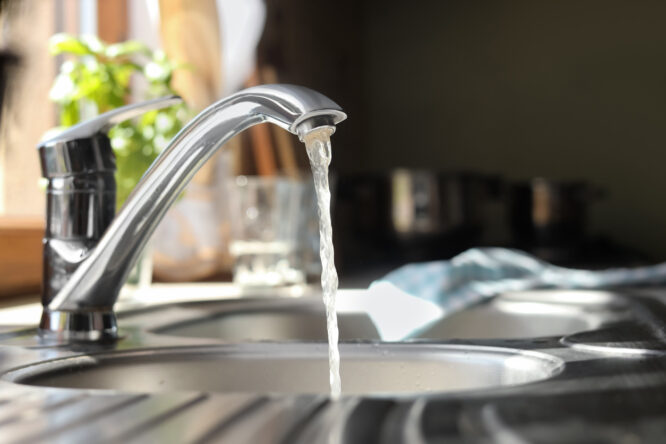
Many households across the UK can claim a range of completely free water-saving gadgets, including shower heads, tap inserts and cistern bags that reduce how much water gets used with each flush. Availability tends to be hit or miss depending on where you live, so check what’s currently on offer in your specific area.
Even if these particular freebies aren’t available where you live, there are still plenty of practical, no-cost changes that can meaningfully reduce how much water your household gets through each month.
Simple habits truly do add up over time.
Running the tap while waiting for it to reach the right temperature wastes a surprising amount of water over a year. Instead, fill up a bottle or jug during that wait and reuse it for watering plants, rather than letting it disappear straight down the drain.
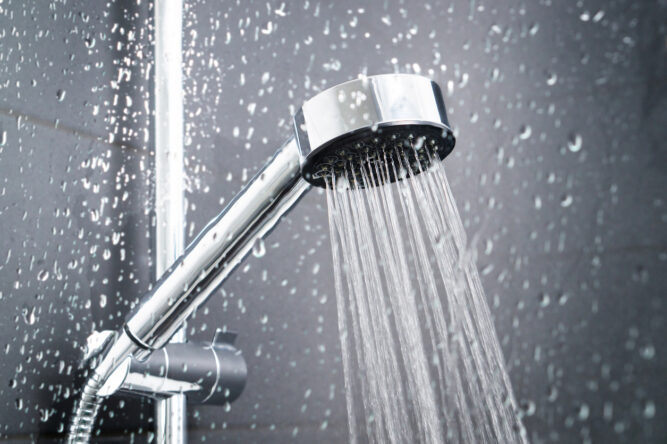
Swapping baths for quicker showers makes a real difference too, since a long soak in the tub uses considerably more water than a brisk shower. In the kitchen, batching up washing up rather than doing it continuously throughout cooking cuts down on how much hot water gets used overall. And if your toilet doesn’t already have one, a dual-flush system, offering a lighter flush for liquid waste and a stronger one when needed, is another straightforward way to trim usage without changing your daily routine much at all.