During the height of conspicuous consumption, showing off your success was simple enough.

You flashed the designer handbags, booked the lavish trips abroad, and parked something powerful on the driveway. These days, true wealth looks entirely different, moving away from flashy material goods toward something far more understated. The ultimate status symbol isn’t a sports car or an expensive watch; it’s having complete control over your own schedule.
Being able to step away from your inbox without asking permission, disappear for an entire month without your income taking a hit, or simply have the freedom to spend a Tuesday afternoon doing absolutely nothing has become the truest marker of having made it.
Switching off has become the new status symbol.

A public “out of office” on social media used to be a practical heads-up. Now it comes across more like a boast, proof that someone has enough control over their work and their life to just vanish for a few weeks. Uninterrupted time has become properly rare, and rarity is what luxury has always been built on.
There’s a familiar pattern here. Businesses have a habit of taking things people used to just have, plain veg, natural fabrics, even baby wraps, and selling them back as posh goods. The latest thing getting this treatment is something you can’t even hold in your hand: the ability to switch off, focus, or simply be somewhere without half your brain checking a phone.
The flex has gone from owning things to owning your own time.

Back in the late twentieth century, luxury became something ordinary people could actually get too, not just the elite. Cheap flights, credit cards and shops full of stuff from all over the world meant keeping up with the neighbours could mean a Riviera holiday, a flashy car, a designer bag. Showing off what you owned was basically the whole game.
That whole way of thinking feels a bit dated now. Spot a convertible on the road these days and odds are the driver’s in their seventies, not their forties, younger people just aren’t chasing that kind of thing the way their parents did. Ask someone ambitious what actually feels hard to come by in their life, and hardly anyone says handbags or holidays. What comes up instead is time, silence, sleep, attention, just feeling present.
Adverts are basically a tax on the people who can’t opt out.

One marketing expert put it bluntly: adverts are basically a tax paid by people who are poor or not clued-up online, while paid, ad-free spaces increasingly buy freedom from all that noise for anyone who can afford it. If we really are living through some new age of the super-rich, then the flashy stuff, the extravagant weddings, the headline-grabbing spending, is the exception now, not the rule.
Wealth today tends to whisper rather than shout, and often edges right up to looking almost ordinary on purpose. There’s a name for this kind of low-key showing off, too: the visible freedom from ever having to work. Scroll through Instagram for five minutes, and you’ll see it everywhere, that unhurried, unbothered energy of people who clearly don’t need to be anywhere.
Looking busy stopped being impressive a while back.

For most of the late twentieth century, looking busy was the whole point, proof you were important enough to be needed everywhere at once. That’s completely flipped. Status now comes from showing you actually control your own schedule, and then choosing to spend that control on cooking, on your kids, on exercise, or on doing absolutely nothing at all.
That might explain part of why the whole trad wife thing has taken off, too. It’s probably less about reviving old-fashioned gender roles and more about the appeal of just slowing down. Cooking dinner from scratch suddenly feels aspirational when your usual lunch is a soggy meal deal eaten at your desk between calls.
Cottage cheese has quietly replaced caviar.
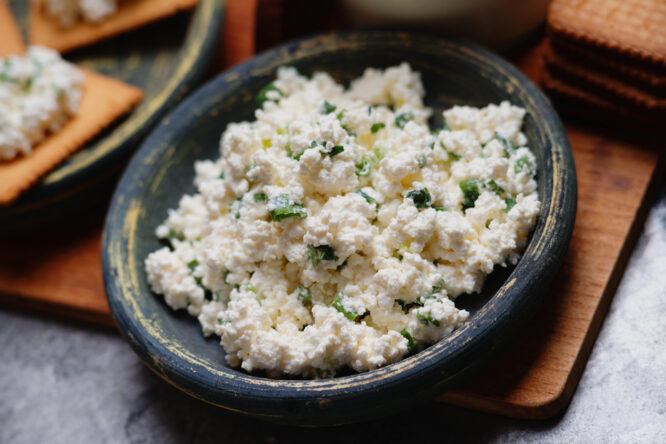
The modern brag isn’t about owning something pricey anymore. It’s proving you can log off completely, disappear for a bit, sit and actually finish a book, or tell everyone you’re taking the whole of August off social media. Luxury used to mean caviar and marble worktops. Now it means cottage cheese, a tub of creatine, and a proper eight hours of sleep.
That last one’s spawned a massive industry all on its own, an entire sleep economy now worth something like $600 billion worldwide. When work spills into every evening and your phone won’t stop buzzing long enough to let you wind down, paying someone to help you fall asleep properly starts to make a strange kind of sense.
Reading and cutting back on drinking are suddenly cool.

Younger friends of the columnist reckon the real dinner party flex these days isn’t your last holiday, it’s whatever book’s sitting on your bedside table. All the hand-wringing about people reading less has, ironically, turned reading itself into a status symbol, something that used to be completely unremarkable is now basically a badge of honour.
Something similar is happening with health. Drinking’s on the decline, portions are shrinking, and the gym has basically become a mix of nightclub and church for a certain crowd. There’s something slightly uncomfortable buried in all this too, like old-school indulgence has been swapped out for constant self-improvement, with a bit of moral smugness thrown in for good measure.
All that discipline that used to go into saving for a house deposit seems to have migrated straight into the body instead, and even the fashion world’s noticed, with one major luxury group reportedly eyeing up a stake in a popular endurance fitness brand.
Parenting has become the biggest flex of all.

Nowhere does this obsession with time show up more clearly than in how people raise their kids these days. Middle-class status used to mean raising high-achieving kids with a summer packed full of coding camps, music lessons, and every club under the sun, all subtly signalling how ambitious you were for your children.
That whole approach is starting to look pretty misguided in an age full of AI worries, rising teenage anxiety, and concern about screen time. What’s replaced it is a kind of nostalgic dream of the unhurried childhood instead. One of the biggest parenting humblebrags around right now is basically some version of “I let my kids be bored,” because boredom itself has turned into a luxury, proof you’ve deliberately stepped away from timetables and screens and the endless pressure to make every hour of childhood productive.
There’s a part nobody quite wants to say out loud.

Actually being present with your kids, rather than half there and half on a laptop, has become its own kind of goal. Making every school assembly, lingering over breakfast instead of rushing out the door, disappearing for weeks each summer just to make memories together. But giving your kids that kind of unhurried childhood almost always depends on the grown-ups around them having an equally unhurried life first.
That sort of freedom rarely comes free. A relaxed diary that lets you show up for sports day and school plays is usually propped up by working odd hours, hiring help, or paying for support most families simply can’t stretch to. It’s tempting to think all these new status symbols are just the product of better choices, of being a more thoughtful parent or person. But underneath, they still tend to come down to money, flexibility, and family support. The new version of wealth might look a lot less flashy than the one that still fills our parents’ wallets, but it’s often propped up by exactly the same money underneath.