Uniform costs have crept up so much that it’s now one of the more painful parts of getting kids ready for a new school year.
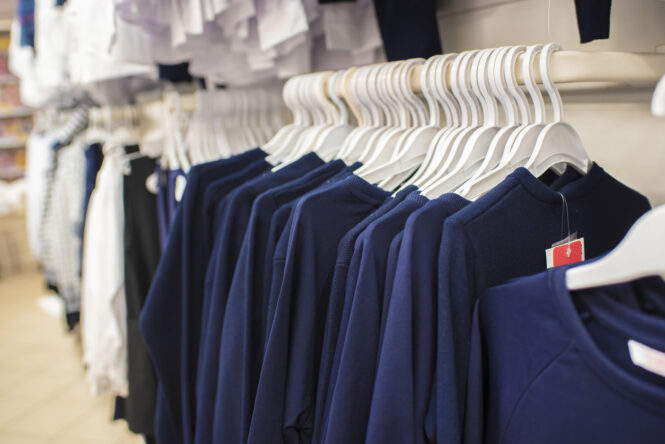
Secondary school parents are spending over £400 a year on average, and primary parents aren’t far behind, so it’s no wonder more families are turning to buy now pay later schemes just to cover it. Luckily, there are some relatively simple ways to cut that bill down without your child turning up looking any different to their classmates.
Supermarkets are usually your cheapest starting point.

If your school isn’t strict about buying from a specific supplier, supermarkets tend to beat everyone else on price. Aldi and Lidl regularly run full uniform sets for around a fiver, though they sell out fast and are only available in store. Sainsbury’s, Asda, Morrisons and Matalan all stock uniform items from a few pounds too, running throughout the year both online and in shops.
Prices change depending on the size you need, and stock for the cheapest items tends to run low quickly, so have a look in-store even if the size you want isn’t showing online. Places like H&M, Marks & Spencer, and John Lewis sit a little higher on price, but they’re still far cheaper than specialist uniform suppliers if your school allows it.
Sales come around at roughly the same time each year.

Big retailers often run their uniform discounts on an annual pattern, so once you know the rough timing, it can pay to hold off buying until the sale hits. Marks & Spencer has offered 20% off uniforms at the end of June or start of July for well over a decade, applying to most items but not shoes, accessories, or coats.
Sainsbury’s runs a similar 20 to 25% discount on its uniform range several times a year, often popping up in February, April, May, August, September or October, usually lasting about a week. Rather than buying everything in one big shop, build a list of what you need and picking items up as good deals appear, which also helps spread the cost.
Government grants can knock a chunk off the bill.

Families in Scotland, Wales, and Northern Ireland can apply for a grant worth up to £200 to help with uniform costs, and some areas of England offer similar support depending on your postcode. Checking on the government website with your postcode will point you to whatever’s available locally, and the support sometimes stretches to sports kit, childcare, and travel too.
If you or your partner work in the grocery industry, there’s also a separate grant worth £150 per child, covering up to three children in a household. The application window has closed for this year, but it typically reopens in early summer, so keep an eye out if this applies to your family next year.
Second-hand uniforms can save you almost everything.

A few scuffed knees and spilled lunches later, a uniform rarely stays pristine for long, which makes second-hand a sensible option rather than a last resort. Charity shops near your child’s school, eBay, and dedicated groups on Facebook are all worth checking, and some schools even donate unclaimed lost property straight to local charity shops at the end of term.
Freecycle is another solid option, since school-specific bundles do turn up there from time to time. There’s also a platform called Uniformerly, built specifically for parents, schools and PTAs to buy, sell or give away pre-loved uniforms, with thousands of UK schools already signed up and some items going for as little as 50p.
Your school’s PTA might already be sitting on a solution.
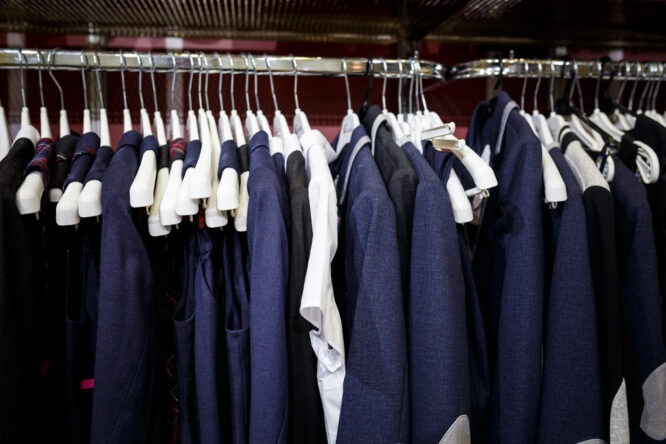
Plenty of schools run second-hand uniform sales through their Parent Teacher Association, which is especially useful if your school has a logoed uniform that’s tricky to find affordably anywhere else. If your school doesn’t already run one, ask whether they’d consider starting it, or even offering to help set one up yourself.
Organising a simple swap event with other parents works well too, especially for outgrown blazers, coats, and PE kits that still have plenty of wear left in them. It costs nothing to ask, and a lot of parents are only too happy to pass things on rather than let them sit unused in a drawer.
Outlet stores can be tried for bigger items.

For pricier items like shoes and coats, outlet stores can offer some of the biggest savings around. Clarks Outlet regularly discounts shoes by up to half price both online and in store, and Marks & Spencer’s outlet locations typically sell uniforms for 30% or more below the standard shop price.
Weigh up the cost of travel if your nearest outlet isn’t close by, since a long drive or train journey can eat into whatever you save. Some outlet centres offer an extra discount to shoppers travelling from further away, too, so make sure you check before you go.
Buying a size up can save you buying twice.

Kids can shoot up several inches in a single school year, especially around blazer age, so plenty of parents deliberately buy uniforms a size or two larger than needed. It might look a bit roomy at first, but it usually means getting a lot more wear out of each item before it’s outgrown.
This works particularly well for blazers and coats, which tend to be some of the pricier items on any uniform list. A slightly oversized fit at the start of the year often balances out nicely by the end of it.
Small habits keep uniforms lasting longer.
Sewn in name tags tend to outlast the iron on kind, and some parents simply write their child’s name in biro on the care label instead, which does the job just as well. Writing only the surname makes life easier if the uniform ends up getting passed down to a younger sibling later on.
Learning a few basic sewing skills goes a long way too, whether that’s taking up a hem or fixing a small tear before it turns into a bigger one. And the simplest tip of all still holds up: getting your child to change out of their uniform the moment they’re home cuts down enormously on unnecessary wear and tear.
What to do if your school insists on branded kit

Some schools require specific branded items like an embroidered blazer or a patterned tie, which usually have to come from a particular supplier or the school itself. While schools are encouraged to think about cost and availability when setting a uniform policy, branded items will almost always cost more than being free to shop around.
If your school enforces expensive branded items, and you’re struggling with the cost, raise it with the school’s PTA, particularly if a policy change has introduced new costly requirements. Citizens Advice is also a useful next step if the school doesn’t budge and the cost is becoming a burden.