Carbs and sugar have sat on the cut-back list for years, with most of us dodging them to keep the weight off or save our teeth from fillings.
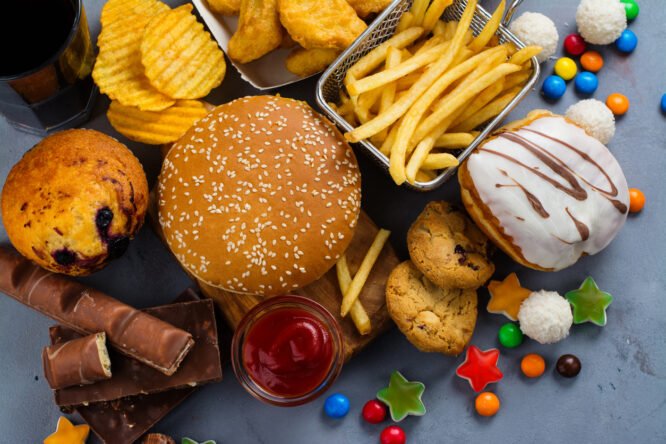
But beyond the bathroom scales and trips to the dentist, there’s another huge reason to think twice before tucking into sugary treats and refined grains that hardly ever gets mentioned. Emerging research shows that constantly loading up on the sweet stuff can actually speed up your body’s biological clock, breaking down healthy cells from the inside and adding years to how you look and feel well before your time.
The toxins nobody’s heard of are suddenly getting attention.
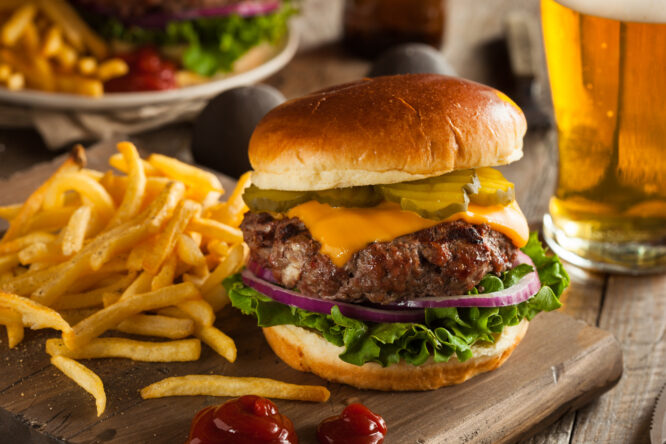
The things doing the damage are called advanced glycation end products, or AGEs. Not exactly a catchy name, and most people have never come across it. But scientists studying these compounds keep finding them tangled up in nearly everything to do with getting older, wrinkles, cataracts, even Alzheimer’s.
These compounds have been known to chemists for ages, but nobody really connected them to everyday habits like diet until fairly recently. Now they’re showing up linked to heart disease, diabetes, all sorts.
A sugar spike does more than make you crash later.

Here’s roughly how it works. Sugar molecules floating around your bloodstream can react with proteins or fats through something called glycation, and that reaction is what actually creates AGEs. The more sugar sloshing around at once, the more of this reaction happens.
That’s the problem with things like white bread, white pasta or a bag of sweets. They get digested fast, so a big hit of sugar lands in your blood all at once instead of trickling in slowly. Every one of those spikes is another chance for glycation to happen, and another batch of AGEs forming.
What it actually does to your skin and your heart

Some of the damage you can see, some you can’t. Glycation can target the proteins that keep skin firm and stretchy, making them stiffer and harder for your body to repair. Over time, that’s part of what shows up as wrinkles.
The same thing happens inside your blood vessels too, particularly the aorta, the big artery running from your heart. As it stiffens up, your heart has to push harder every single beat, and over years that extra strain can tip into heart disease.
The bit that slowly but surely stirs up inflammation everywhere

There’s also a receptor sitting on cells all over your body, gut, lungs, kidneys, brain, that AGEs latch onto. Think of it as a kind of alarm system your immune cells use to notice when something’s wrong.
The trouble starts once AGEs build up enough over the years that this alarm basically never switches off. That constant activation cranks up inflammation and stress inside your cells, which contributes to wear and tear on tissue, including your brain. Since this receptor is especially thick on the ground in your lungs and gut, it may be speeding up ageing there too, putting more strain on your heart and gut along the way.
How this ends up messing with your gut too

All that ongoing inflammation can eventually lead to something called a leaky gut, where bacteria that should stay put in your intestines start slipping into your bloodstream instead.
Once that happens, your immune system kicks into gear again, causing even more inflammation, which just feeds back into the same cycle. What started as eating a bit too much white bread ends up snowballing into something that touches your whole body.
Why you can’t just get a blood test for this

AGEs build up so gradually, quietly changing your tissues over years, that there’s no simple blood test that can tell you where you stand. It’s not like checking cholesterol.
Dutch researchers have spent the last decade building a device called the AGE Reader that shines UV light on your skin, making any AGEs there glow slightly so they can be estimated. Right now, that’s mostly stuck in specialist clinics in the Netherlands, though the tech’s started creeping into consumer gadgets too, the Samsung Galaxy Watch 7 can now give you a rough estimate of your skin AGE levels compared to what’s typical for your age. Dutch research suggests if your skin’s showing high levels, your internal organs are probably carrying a fair few too.
It’s not just what you eat, it’s how you cook it.
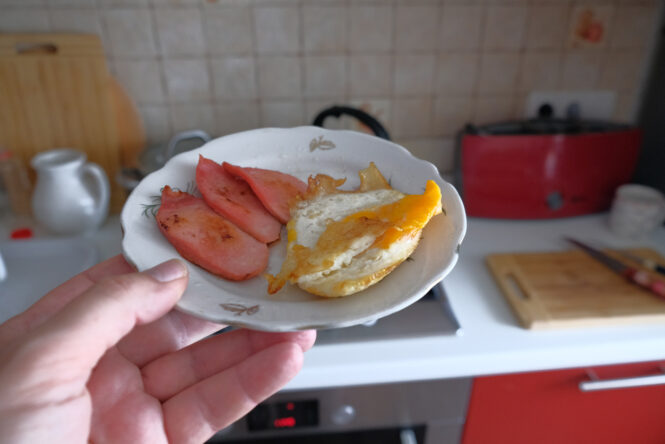
Cutting back on sugar and refined carbs is one part of the picture. But there’s a second source of AGEs that’s easy to overlook entirely: the ones formed by how you cook your food.
Turns out our love of cooking meat over dry heat, barbecuing, grilling, frying, roasting, might be quietly ageing us faster too. Those high-heat methods trigger the same glycation reaction between the sugars, proteins, and fats sitting inside a steak or a pork chop. That gorgeous browning on a seared steak or crispy bacon? That’s basically AGEs forming right in front of you. Eating a lot of meat cooked this way can rack up your daily AGE total, stirring up more inflammation in your gut and elsewhere.
Nobody’s saying you should give it up entirely.

Here’s the thing, though: food cooked this way tastes amazing, so telling people to just stop isn’t realistic. It’s more about balance across the week. Had a big grilled steak last night? Maybe go a bit lighter for the next couple of days to give your body a breather.
If you are cooking meat over dry heat regularly, the type of meat actually makes a difference. Research has found lamb tends to produce fewer AGEs than beef or chicken when roasted or grilled, just down to its chemical makeup.
There are a few kitchen tricks that can help
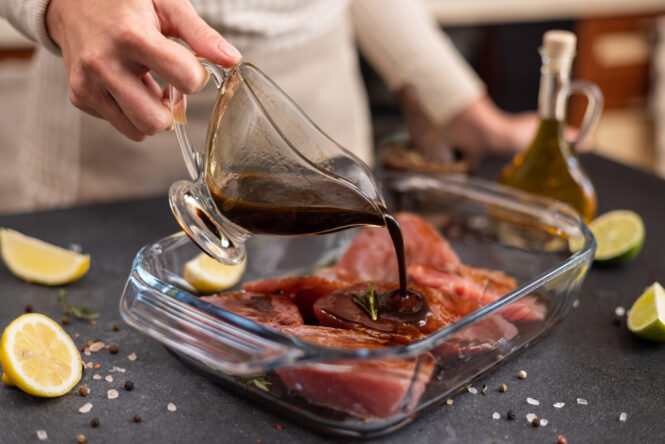
Marinating meat before cooking is one of the easiest fixes going. Just fifteen minutes soaking in olive oil, lemon juice and herbs like thyme, paprika or cumin can create a bit of a barrier that slows down the glycation reaction during cooking.
The acid seems to be doing most of the heavy lifting here, lemon juice, vinegar, even wine all help stop AGEs forming as readily. The herbs and spices pile on a bit of extra protection too, on top of whatever the acid’s already doing.
Still want something sweet? Timing matters.
If you’re going to have a dessert, having it after a proper meal rather than on an empty stomach makes a real difference. A fuller stomach slows digestion down, which means less sugar hitting your bloodstream in one hit.
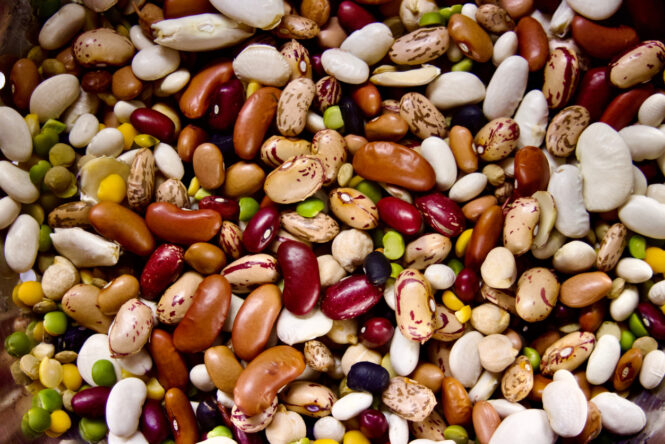
The same idea works for refined carbs generally. Pair white pasta with some carrots and broccoli, or eat white bread alongside a bowl of beans, and the fibre slows everything down enough to blunt that sugar spike. Less of a spike means less glycation happening, which means fewer new AGEs forming after that meal, a small swap that lets you still enjoy these foods without paying the full price for them later.