Washing clothes is one of those household chores that never seems to end.
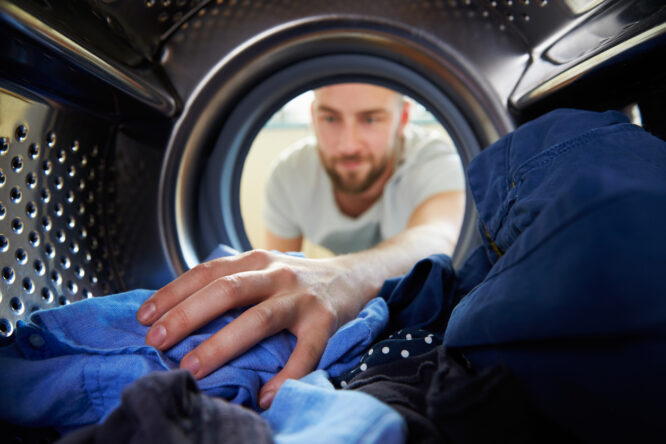
Just when you think you’ve reached the bottom of the laundry basket, another pile of damp towels, school uniforms, and gym kit appears out of nowhere. Because running a cycle feels as routine as boiling the kettle, it’s easy to stick the machine on without thinking twice about what it’s costing you. However, a handful of automatic habits, like running half-empty drums, cranking up the temperature dial, or leaning too heavily on the tumble dryer, can actually add hundreds of pounds to your annual expenses without you noticing.
With household energy costs going up again from today, every spin of the drum takes a bigger bite out of the monthly budget. The encouraging part is that you don’t need to wash your clothes any less often to bring those numbers down. Making a few straightforward adjustments to how you use your appliances can trim a substantial sum off your bills while keeping your clothes just as fresh.
Energy bills have gone up again this October.
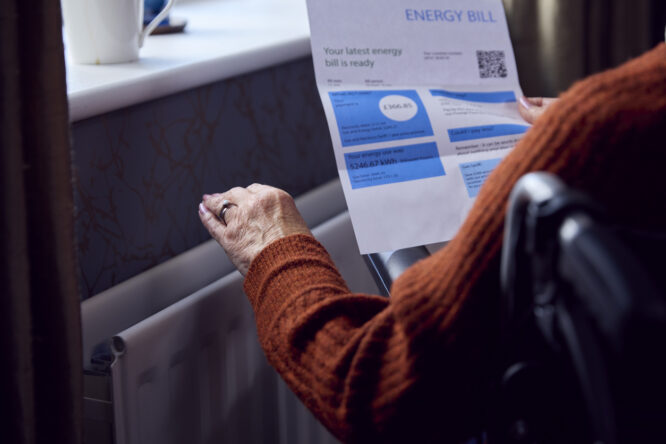
From October 1, Ofgem’s price cap has gone up by 4%, taking the typical dual-fuel bill to £1,723 a year. The cap sets the most suppliers can charge for each unit of gas and electricity, as well as the daily standing charge every home pays just for being connected. When it rises, millions of households on standard variable tariffs feel it straight away.
That makes this a good moment to look at the appliances you use most often. Laundry is a big one, since many families run the machine several times a week and use the dryer on top of that. The good news is that none of the fixes below mean your clothes will come out any less clean.
Stop running half loads.
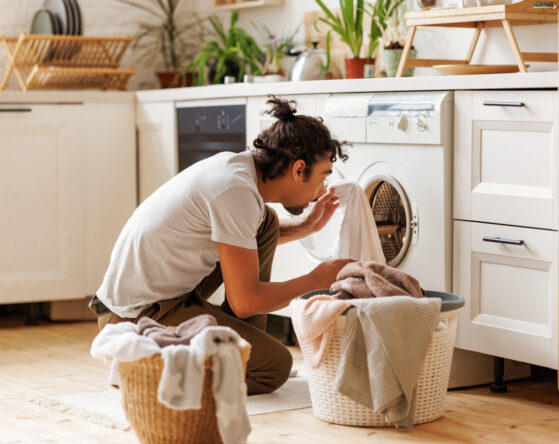
When you’re short on time, it’s tempting to throw in a couple of items and press start. The problem is that a half-empty drum uses nearly the same amount of electricity and water as a full one. So two small washes cost you close to double what a single bigger wash would.
A cycle can cost up to 45p, and the average UK household does around five loads a week, which adds up to roughly £117 a year. Waiting until the drum is full, though not crammed, and cutting down to three washes a week could save you as much as £47. Some newer machines can also sense how much is inside and adjust their energy use to match, so check your settings to see if yours has this option.
Turn the temperature down.
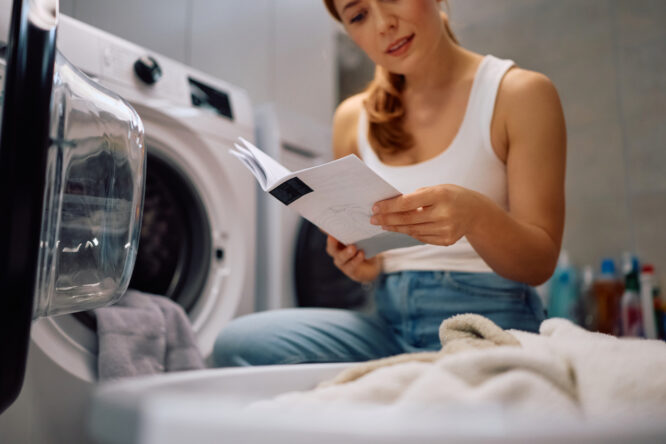
Lots of us still believe hotter water means cleaner clothes, but that isn’t always true anymore. Today’s detergents are made to work well at lower temperatures, so everyday loads can come out fresh at 30°C. Switching from 40°C to 30°C can cut the energy used for each load by up to 40%.
Consumer experts have found this single change can lower the running cost of a washing machine by around 38%. Eco programmes are another option, as they wash at a cooler temperature over a longer period and can use up to 60% less energy. The cycle takes more time to finish, but if you’re not in a rush, the savings make up for the wait.
Cut back on the tumble dryer.
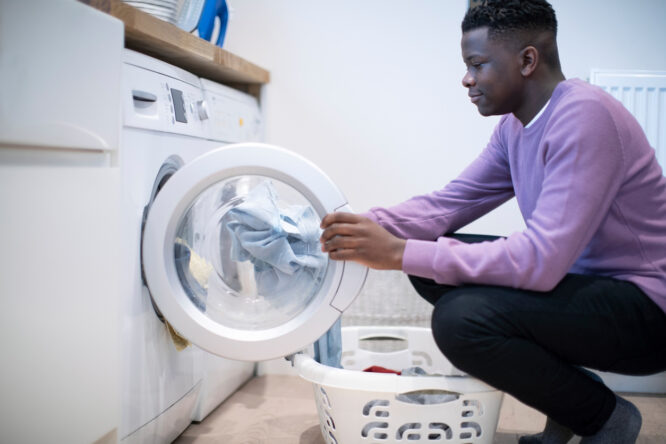
Dryers are handy, especially on wet days, but they’re among the hungriest appliances in the house. On average, running one can cost as much as £167 a year. Using it half as often could knock about £83.50 off that figure.
Hanging washing outside or on an indoor airer is the cheapest way to dry it. If you’re drying things inside, keep a window open or the room aired to stop damp from building up. When you do need the dryer, give your load a faster spin first to shake out extra water, and if you’re replacing an old model, a heat pump dryer uses far less electricity than older vented or condenser types.
Pay attention to when you wash.
Some energy tariffs charge less for electricity at quieter times of day. If yours does, putting a load on early in the morning or later in the evening can lower your costs without any extra effort. Many machines have a delay timer, so you can load up before bed and let it start by itself.
E.ON Next says customers on its Next Smart Saver tariff could save more than £110 a year by moving all their washing to off-peak hours between 7pm and 2am. Check what your supplier offers, since cheaper evening or overnight rates aren’t available on every plan. A quick call or a look at your online account should tell you whether it’s an option.
Check the label before buying a new machine.

If your old washer is on its last legs, the energy rating should be high on your list when choosing a replacement. A higher-rated appliance usually costs more upfront, but it can save you a lot over the years you own it. Over a decade or so of regular washing, those savings can easily cover the difference in price.
Bear in mind that the rating is based on the machine’s most efficient programme. If you often use hotter cycles for stains or bedding, your running costs may be higher than the label suggests, so see it as a guide rather than a promise. Features such as automatic detergent dosing, which measures out the amount needed, and inverter motors, which run more smoothly and use less power, can help keep bills down too.
Small swaps that add up over a year.
Put together, these changes could save a typical household well over £200 a year. Filling the drum, washing at 30°C, drying on an airer and switching to off-peak times each take only a moment to adopt. None of them need any special kit, and you can start with your very next load.
A simple place to begin is by setting your machine to 30°C as standard and keeping a basket handy so you only wash once it’s full. Try one change at a time for a couple of weeks and see how it feels before adding the next. By the time winter arrives, you’ll have a routine that keeps your clothes clean and your bills a little lower.