Hot and cold therapy has gone from niche wellness trend to something millions of people are actively seeking out on their travels.
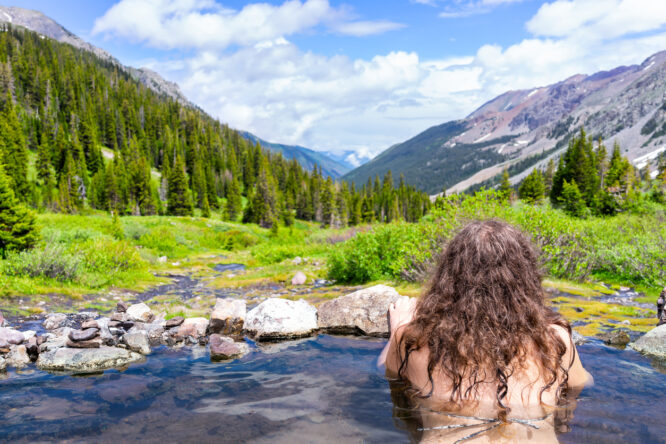
Whether it’s lowering yourself into a freezing Scottish loch or soaking in a geothermal pool in Iceland, the appeal is easy to understand. Experts say hot therapy can ease aches, improve circulation, and support heart health, while cold water swimming and ice plunges are linked to better mood, stronger immunity, and improved mental wellbeing. With celebrities including Halle Berry and Cindy Crawford publicly endorsing hot therapy, and the cold therapy market in the US alone expected to be worth over $5 billion by 2033, it’s clearly not a passing phase.
To find out where does it best, outdoor clothing brand Icewear analysed more than 54,000 Google reviews across 65 locations worldwide, looking for words like “relaxing”, “amazing”, “beautiful”, and “invigorating” to work out which destinations people genuinely loved most. Locations with fewer than 500 reviews were excluded to keep the results meaningful, and any reviews that used positive words in a negative context, such as “not relaxing”, were manually removed. Here’s what the data found.
The top spot for hot therapy goes to New Zealand.
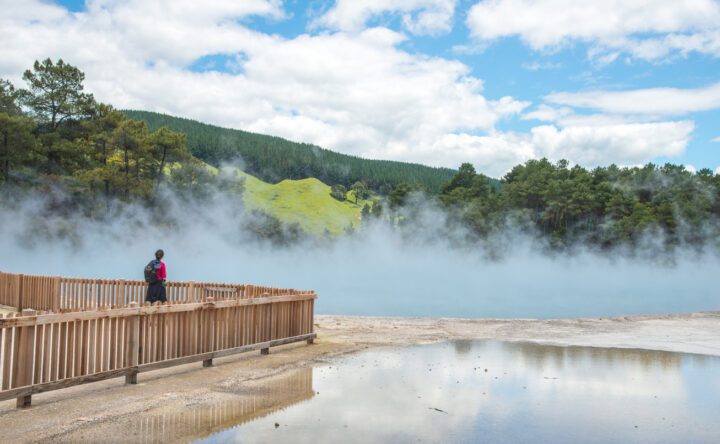
Hell’s Gate Geothermal Park and Mud Spa came out as the world’s best hot therapy destination, with 71.1% of its reviews describing a positive experience. The site has been used by the Māori people for over 800 years and its mineral-rich mud pools are thought to reduce inflammation, ease arthritis, and improve skin condition. The word “amazing” appeared in nearly 16% of all reviews, which gives a good sense of how strongly visitors feel about it. It’s the kind of place that delivers something you genuinely can’t get anywhere else, rooted in history and natural geology rather than manufactured luxury.
Second place went to Thermae Bath Spa in England, where 70.3% of reviews were positive. It’s the only natural thermal spa in Britain, with spring water sitting at around 45 °C year-round, and there’s archaeological evidence of people using these springs as far back as 8,000 BC. The word “relaxing” appeared in almost a quarter of all positive reviews, making it not just one of the best-rated hot therapy spots in the study but the most relaxing destination overall. The fact that it sits in the middle of Bath, one of England’s most visited cities, means there’s plenty to do around the visit itself.
Iceland takes up a lot of space in the hot therapy rankings.
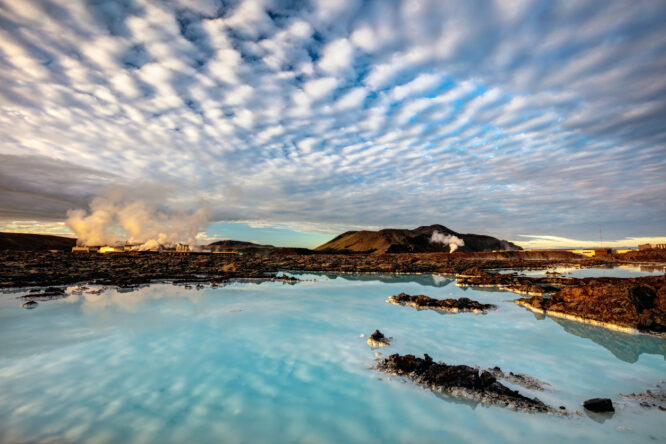
The Blue Lagoon came in third place with 68.7% positive reviews. It’s one of the most recognisable hot springs in the world and its milky blue water is rich in silica and algae minerals known for their skin-soothing and restorative effects. The dramatic volcanic landscape surrounding it adds something to the experience that’s hard to replicate anywhere else, and the sheer visual impact of arriving there for the first time is something visitors mention repeatedly. It’s a destination that somehow manages to live up to its reputation despite how much attention it receives.
Iceland appears four more times in the top twenty hot therapy destinations, with the Secret Lagoon at sixth, Hvammsvik Hot Springs at eighth, the Reykjadalur geothermal river at tenth, and Geosea Geothermal Baths at twentieth. That level of consistency across different locations says something meaningful about what Iceland offers as a country for this kind of experience. The combination of accessible geothermal activity and dramatic natural scenery is genuinely difficult to match.
Alaska and Budapest round out the top five hot therapy spots.
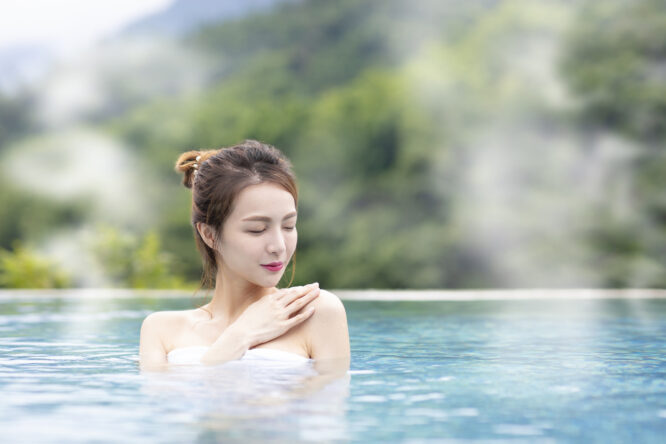
Chena Hot Springs in Alaska came fourth with 65.1% positive reviews. Tucked into the wilderness near Fairbanks, it offers outdoor pools that sit at around 41 °C, making them particularly popular during the colder months when the contrast between the steaming water and the surrounding landscape is at its most striking. Nearly 12% of visitors specifically called out the natural scenery as a highlight, which puts it among the most visually celebrated hot therapy destinations in the study, alongside the more famous names above it.
Budapest’s Széchenyi Baths rounded out the top five at 64.5%, and it brings something different to the list. Rather than a remote natural setting, it’s a grand historic spa complex in the heart of one of Europe’s most visited cities, with numerous indoor and outdoor pools and an atmosphere that encourages people to stay for hours. It’s one of the most social spa experiences in the world and the consistently high positive reviews suggest that what it offers, warmth, history, and a lively communal feel, connects with a wide range of visitors.
Slovenia has the best cold therapy destination in the world.
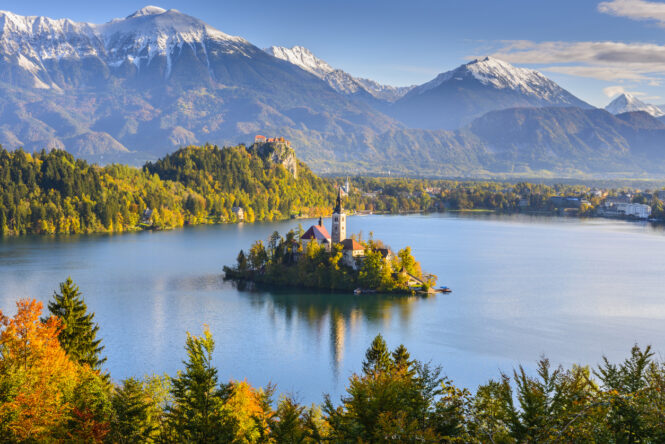
Lake Bled topped the cold therapy rankings with 76.8% positive reviews, the highest percentage of any destination in the entire study across both hot and cold categories. More than a third of those positive reviews specifically mentioned the lake’s natural beauty, which makes sense given it was recently named the most beautiful place in Europe. It’s the kind of destination that delivers on both the visual experience and the physical one, and the numbers suggest visitors leave feeling like it exceeded what they were expecting.
Cold water swimming and wild swimming more broadly have grown significantly in popularity over recent years, partly driven by growing awareness of the mental health benefits and partly by a cultural shift toward seeking out more active and immersive experiences in nature. Lake Bled captures both of those things and adds world-class scenery on top. For anyone thinking about combining travel with cold therapy for the first time, it’s hard to imagine a more compelling starting point.
Scotland and Canada share second place for cold therapy.
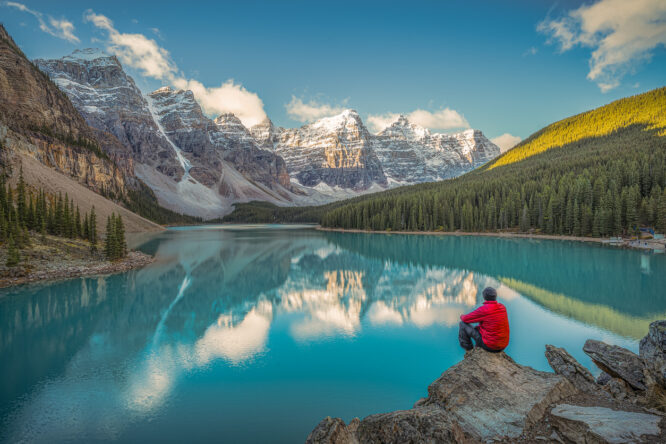
Joint second went to Moraine Lake in Canada and Cairngorm National Park in Scotland, both sitting at 72% positive reviews. Moraine Lake is frequently described by visitors as a stunning turquoise gem and draws people for cold water swimming alongside hiking and wider wilderness exploration. Its vivid colour comes from light reflecting off rock flour deposited by glaciers, and that visual quality comes through clearly in the reviews, with 39.5% of them specifically mentioning how beautiful it is.
Cairngorm National Park, set in the Scottish Highlands, has several wild swimming lochs that have become increasingly well known among cold water enthusiasts. The conditions there are genuinely bracing rather than simply cool, and experts consistently advise swimmers to come prepared with warm clothing for after the swim rather than underestimating how cold the water can get. That raw, unmanaged quality is part of what makes it appealing to people who want an experience that feels authentic rather than packaged.
Canada’s Banff National Park offers both ends of the spectrum.
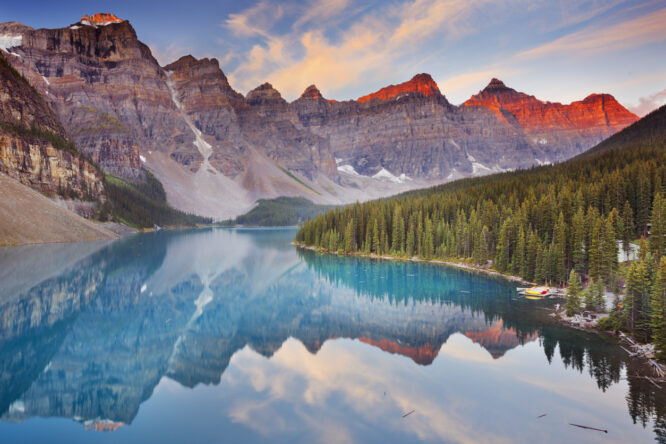
Banff came fourth in the cold therapy rankings with 71.2% positive reviews and stands out from the other destinations because of its versatility. Visitors can combine cold lake swimming with a soak in nearby natural hot springs, making it one of the few places where you can genuinely experience both therapies in a single trip. The landscape is consistently cited as breathtaking, with 39.5% of reviews mentioning beauty specifically, and the sense of scale and wilderness that surrounds every activity there sets it apart from more accessible destinations.
Lake Tahoe in California and Nevada rounded out the top five cold therapy destinations with 67.7% positive reviews. Stretching over 22 miles in length and sitting on the border of two states, it’s one of North America’s largest alpine lakes and is known for exceptionally clear, cold water that draws swimmers from across the country. The mountain scenery came up repeatedly in reviews alongside the quality of the swimming conditions, suggesting the visual and physical experience reinforce each other in the same way they do at the other top-ranked destinations.
The most beautiful destination of all sits in New Zealand.
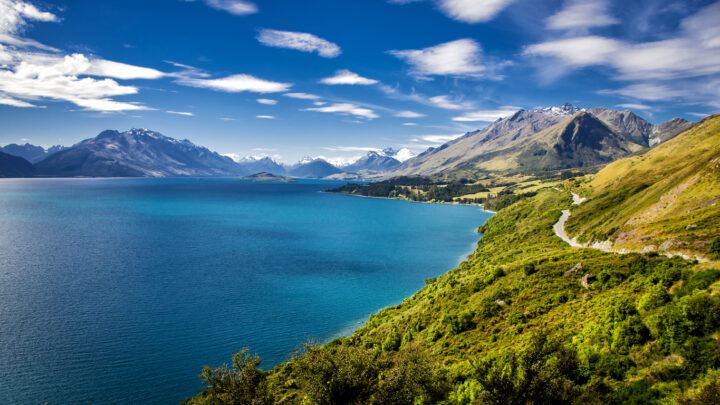
When the research looked specifically at which locations people described as beautiful, Lake Wakatipu in New Zealand came out on top, with exactly half of all reviews mentioning its appearance. Surrounded by mountains shaped by ancient glaciers and offering crystal-clear water against a dramatic alpine backdrop, it scored higher on beauty than any hot spring or cold lake in the entire study. It also ranked tenth overall in the cold therapy table, which means the experience backs up the scenery rather than the scenery doing all the work.
Norway’s Rambergstranda came close behind, with 49.1% of reviews praising its coastal views. It’s a less internationally famous destination than many others on the list, but the consistency of the feedback about its appearance suggests it deserves significantly more attention than it currently gets from travellers outside Scandinavia. For anyone willing to go slightly off the beaten track, it represents exactly the kind of discovery that makes travel feel worthwhile.
Italy and Canada produce two of the most visually celebrated cold therapy spots.
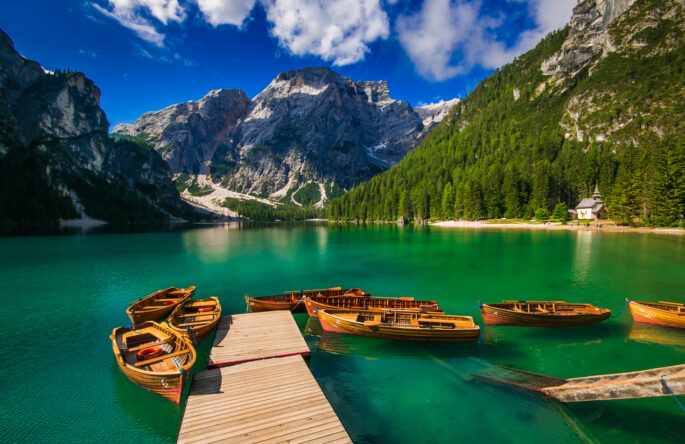
Lago di Braies in Italy’s Dolomites was described as beautiful by 43.9% of its reviewers, with the emerald green water framed by towering peaks creating what many visitors called a fairy-tale setting. It ranked thirteenth overall in the cold therapy table, which means it sits just outside the top destinations for the overall experience, but for anyone who prioritises scenery as part of what they’re looking for, the numbers suggest it delivers something genuinely exceptional.
Canada’s Peyto Lake came next, with 41.8% of reviews mentioning its beauty, driven by the vivid turquoise colour of the water and the glacial surroundings that give it a quality visitors frequently describe as unreal. Both Lago di Braies and Peyto Lake benefit from the fact that the cold water experience is enhanced significantly by where you are when you’re doing it. The research as a whole suggests that the destinations people remember most aren’t necessarily the warmest or the coldest, but the ones where the setting makes the whole thing feel like something worth travelling a long way for.