Friday, 26 June was officially the hottest June day ever recorded in England, with a provisional high of 37.1C measured at Santon Downham in Suffolk.
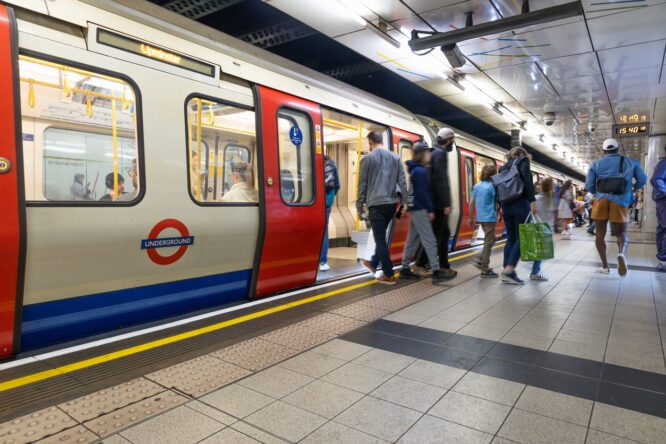
That beat the previous record of 35.6C set back in 1976, and according to the Met Office it was broken four times over the course of a single day. The forecaster issued a rare red warning for extreme heat covering much of southern England, schools and offices closed across the country, and London found itself at the centre of it all—baking, crowded, and deeply unprepared. However, people had places to be, and that meant getting on the Tube, some lines of which were unbearably sweltering.
The Central line reached 39.4C, which is hotter than most summer holidays.
Readings taken on London Underground carriages during the heatwave found temperatures as high as 39.4C on the Central line, making it the hottest of the network’s routes. The Jubilee line wasn’t far behind at 37.2C, and the Piccadilly and Victoria lines both sat in the low-to-mid thirties. For anyone who’s ever stood on a packed platform in August thinking it couldn’t get worse, apparently it can.
The contrast with the air-conditioned lines was stark. The Elizabeth line and the Metropolitan, Circle, and District lines all came in at around 22C, which is a difference of nearly 17 degrees compared to the Central. The problem is that only around 40 percent of trains on the network currently have air conditioning, which means the majority of commuters don’t have access to it regardless of how hot it gets above ground.
People were still turning up to work, mostly for the air con.
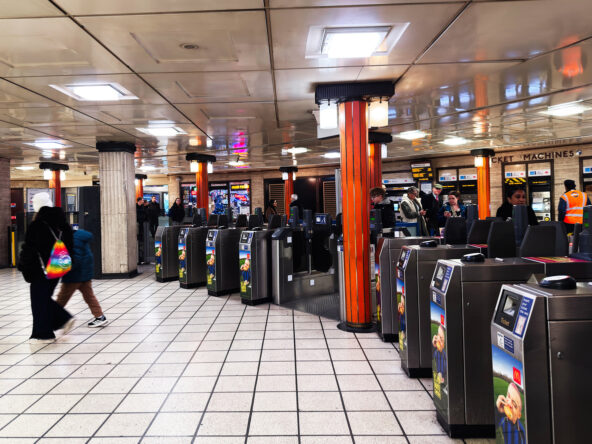
Despite the conditions, commuters were still out in numbers across central London. Two PR workers told The Independent they’d made the journey in specifically because their office had air conditioning, which is a fairly honest summary of the calculation a lot of people were making. One of them took the Victoria line and noted it was as bad as expected, made worse by an electrical fault that caused problems at the barriers that morning.
Others were managing as best they could. One man said he was wearing a basketball jersey and still feeling the heat, and was planning to spend time at his local community centre to get away from it. A family visiting from South Africa, a country not exactly unfamiliar with warm weather, described the conditions as “crazy,” which says something about the scale of what London was dealing with.
A heat dome over western Europe was driving the whole event.

Forecasters attributed the extreme temperatures to a heat dome settling over western Europe, trapping warm air and pushing temperatures to record levels across the continent. Climate scientists have pointed to human-influenced climate change as a key factor in making events like this more frequent and more severe, and this week’s records fit a pattern that’s becoming harder to ignore.
London mayor Sadiq Khan said publicly that the capital hasn’t adapted well to handle temperatures approaching 40C, and asked the public to bear with the disruption to public transport. It was a candid admission, and one that raises real questions about infrastructure that was largely designed for a much cooler climate than the one the city is now regularly experiencing.
Transport for London warned of delays and asked people to think before travelling.
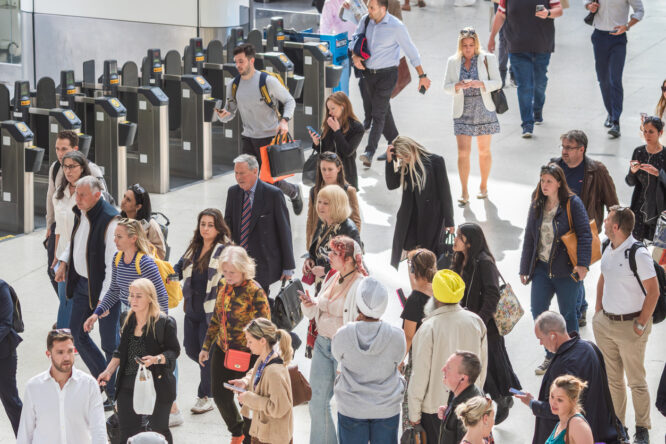
TfL’s chief operating officer Claire Mann issued guidance during the heatwave asking commuters to consider whether their journey was strictly necessary, warning that high rail temperatures were likely to trigger speed restrictions and reduce services. Heat affects rail tracks directly; when metal expands in extreme temperatures, trains have to slow down to avoid risk, which cascades into delays across the whole network.
The advice to use TfL’s real-time travel tools and check for service updates before heading out was practical enough, though for the many people who had little choice about travelling, it only goes so far. The broader issue is that the network simply wasn’t built for this, and the gap between what it can handle and what the climate is now regularly throwing at it is widening.
Only four in ten Tube trains have air conditioning, and that number needs to change.
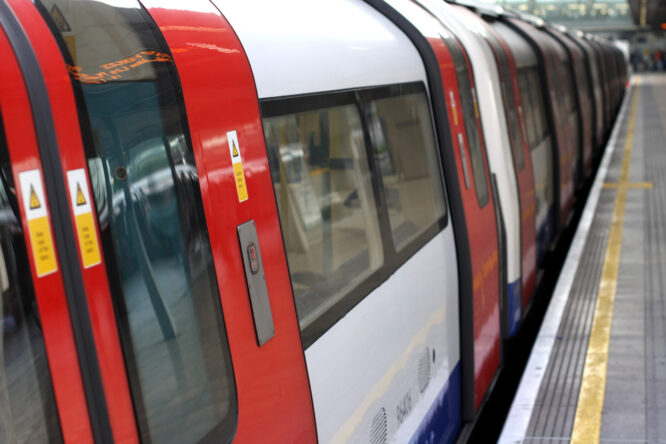
The 40 percent air conditioning figure is the one that stands out most starkly from this week’s coverage. It means that on the hottest day in English history, the majority of people boarding a Tube train had no access to cooled air whatsoever. The lines that do have it—the Elizabeth line and the sub-surface routes—recorded temperatures in the low twenties. The ones that don’t were pushing 40C.
Retrofitting air conditioning to older deep-level Tube lines is genuinely complicated and expensive, as the tunnels themselves are too narrow in many cases to accommodate the systems needed to expel heat. It’s a problem engineers have been wrestling with for years without a clean solution. But as summers like this one become more common, the conversation about what can realistically be done is going to become increasingly urgent.
This probably won’t be the last summer London has to have this conversation.
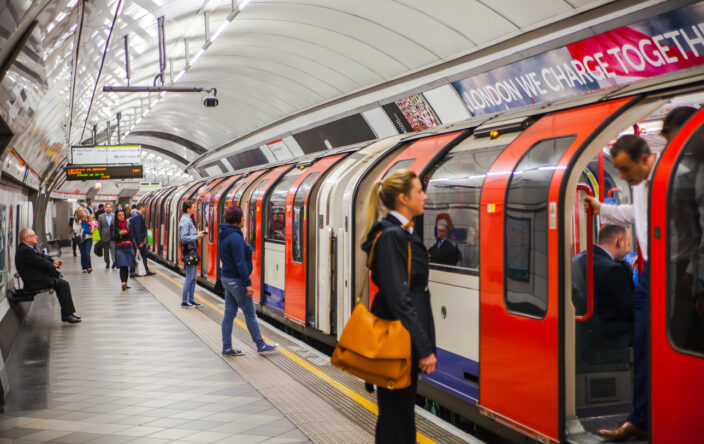
What happened this week isn’t just a news story about a hot few days. It’s a preview of what cities like London are going to face with increasing regularity, and the gap between the infrastructure people rely on and the conditions it now has to operate in is getting harder to paper over. Red heat warnings, closed schools, and 39C Tube carriages aren’t normal, even if it’s starting to feel that way.
The man who described the heat as “a gift and a curse” probably put it better than anyone. There’s something genuinely enjoyable about the rare British heatwave when you’re not trapped underground in it. But at nearly 40C on the Central line, with records falling multiple times in a single afternoon, it’s fair to say the gift is wearing a bit thin.