Packing up the car and heading to the coast is the classic way to spend a long bank holiday weekend when the sun makes a rare appearance.
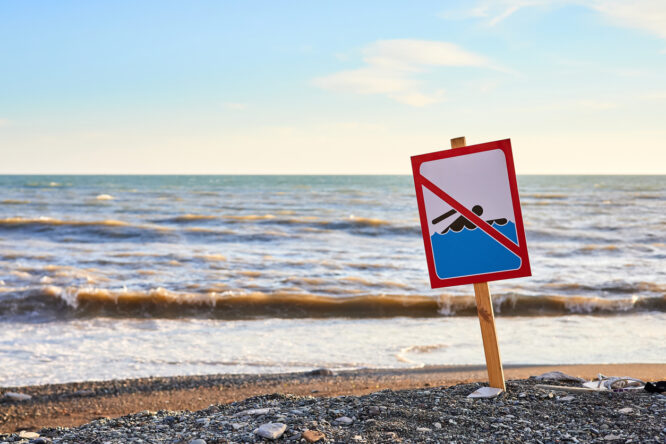
But before you grab your towel and charge into the surf, you might want to double-check exactly where you’re planning to pitch your deckchair. Official water monitoring data has flagged a specific group of popular beaches across the country where the water quality is currently rated as flat-out poor.
If you end up taking a dip at any of these 20 locations, you’re looking at a very real chance of leaving with a nasty stomach bug or an infection instead of a tan. Knowing the list of blacklisted spots is the only way to make sure your long weekend doesn’t get completely ruined.
Why these beaches have made the list

As the days get longer and the sun starts making more of an appearance, Brits are heading back to the seaside in their droves. But before you pack the bucket and spade, it’s worth knowing that a handful of well-known beaches across the country have been classified as no-go zones for swimming this May bank holiday.
The reason comes down to water quality. These 20 beaches have been given a “poor” rating, which is the lowest classification handed out by the Department for Environment, Food and Rural Affairs. The main culprit is sewage and waste pollution making its way into the sea, which can pose a real risk to anyone who fancies a dip. The research was commissioned by Locals Insider, and it makes for sobering reading if any of these spots are on your summer staycation list.
The beach topping the list
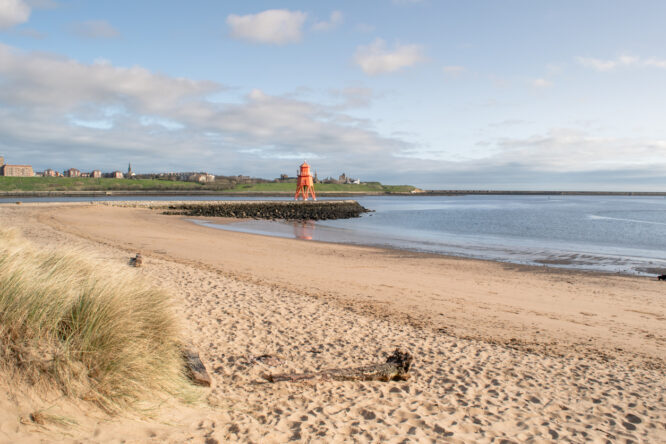
At the top of the list, which isn’t ranked in any particular order, is Littlehaven Beach in South Shields, near Gateshead in Tyne and Wear. This beach has long been at the centre of controversy over its cleanliness, and the figures behind it are genuinely alarming.
According to House of Commons statistics, a staggering 15,977 hours were spent dumping sewage into the area in 2023. That’s a 162% increase on the previous year, according to local Liberal Democrats. Unsurprisingly, residents have had enough. Last year, the Paddle-Out Campaign, organised by the charity Surfers Against Sewage, saw thousands of North East locals paddling out into the water in protest at the state of their beach.
The high-profile spots that made the cut
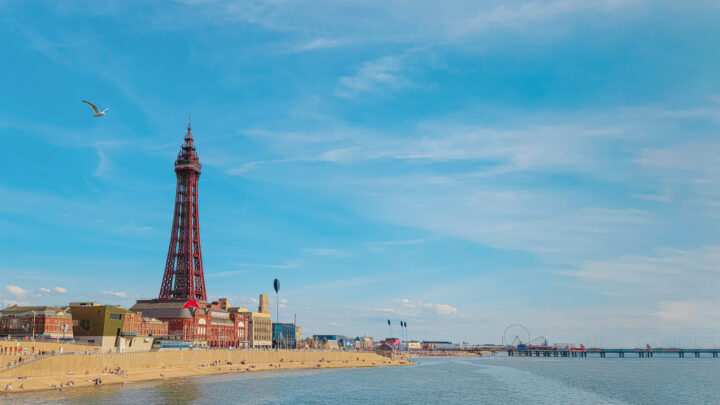
It’s not just lesser-known beaches on the list. Several big names that draw huge crowds every summer have also been flagged. These include Lyme Regis in Dorset, Ilfracombe in Devon, Weston-super-Mare in Somerset, and the ever-popular Blackpool.
Blackpool’s water quality has been a particular concern. Back in 2024, the local MP wrote to the Environment Minister expressing worry over pollution in the area, arguing that residents should be able to enjoy the benefits of their town’s greatest natural asset. He pointed out that polluted seas and beaches threaten not just people’s health, but their wellbeing and sense of local pride too.
The worst-affected counties
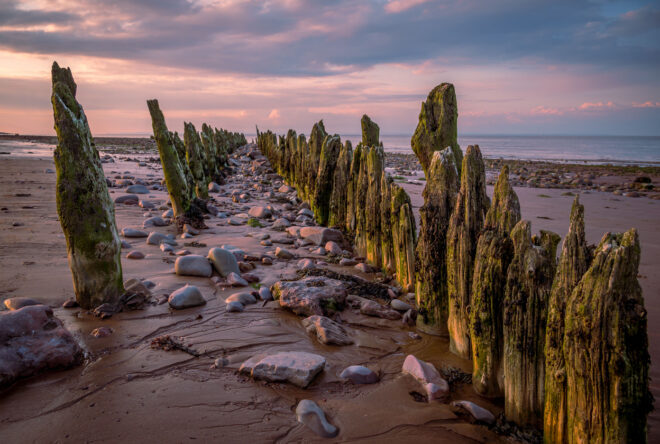
When you break the list down by region, Somerset comes out as the worst-affected county, with five beaches making the no-go list. These are Dunster Beach, Blue Anchor West, Burnham Jetty North, Weston-super-Mare Uphill Slipway, and Weston Main. That’s a big chunk of the county’s coastline to avoid for swimming.
Neighbouring Devon was the second-worst performer, with three beaches flagged. These include Coastguards Beach along the Erme Estuary, Instow, and Ilfracombe Wildersmouth. With both counties being hugely popular summer holiday destinations, it’s worth doing your homework before planning a beach day in the South West.
The full list of 20 no-go beaches

Here are all 20 UK beaches currently rated as unsuitable for swimming:
1. Littlehaven Beach, Gateshead
2. Cullercoats Bay, Gateshead
3. Scarborough South Bay, North Yorkshire
4. Clacton (Groyne 41), Essex
5. Littlestone, Kent
6. Dymchurch, Kent
7. Worthing Beach House, West Sussex
8. Bognor Regis (Aldwick), West Sussex
9. Southsea East, Portsmouth
10. Lyme Regis Church Cliff Beach, Dorset
11. Coastguards Beach, Erme Estuary, Devon
12. Instow, Devon
13. Ilfracombe Wildersmouth, Devon
14. Dunster Beach, Somerset
15. Blue Anchor West, Somerset
16. Burnham Jetty North, Somerset
17. Weston-super-Mare Uphill Slipway, Somerset
18. Weston Main, Somerset
19. Blackpool North, Blackpool
20. Haverigg, Cumbria
The good news for beach lovers

Before you write off the British seaside entirely, there’s a reassuring bit of perspective worth holding onto. While 20 beaches sounds like a lot, it’s actually only a small fraction of the UK’s coastline. According to the research, just 20 beaches out of around 400 official bathing spots nationwide are currently unsuitable for entering the water.
A spokesperson for Locals Insider pointed out that this leaves hundreds of perfectly good options for a decent swim in the open water. The vast majority of UK beaches are rated good or excellent for water quality, so there’s no need to panic and cancel your seaside plans. It just pays to be aware of the handful of spots best avoided, particularly if they happen to be near where you’re staying.
How to check before you swim
The single most useful tool for anyone planning a swim is the Surfers Against Sewage app, which provides real-time pollution alerts for beaches across the country. You can check the live water quality of your chosen beach before heading down, which takes the guesswork out of whether it’s safe to swim that day.
The Environment Agency also publishes water quality results for all designated bathing sites online, updated weekly throughout the bathing season. It’s worth getting into the habit of having a quick look before any beach trip, especially after heavy rain. Rainfall often triggers sewage overflows, which means water quality can be noticeably worse in the hours and days following a downpour, even at beaches that are normally perfectly clean.
Staying safe at the seaside

If you do end up at a beach with poor water quality, the safest thing is simply not to go in. Swallowing or even just splashing about in polluted water can lead to stomach upsets, ear and throat infections, and skin irritation. Children, older people and anyone with a weakened immune system are particularly at risk, so it’s worth being extra cautious with the little ones.
For those determined to make the most of the coast this summer, the message is straightforward. Do a quick check of the water quality before you set off, choose one of the hundreds of beaches rated good or excellent, and you’ll be able to enjoy a proper British beach day without any worries. A few minutes of research is all it takes to make sure your trip to the seaside is a pleasant one rather than a regrettable one.