Vets see all sorts of well-meaning mistakes walk through the clinic door every week, but there’s one problem that shows up far more than any other.
It’s not an exotic illness, an unlucky genetic defect, or a freak accident in the park—it’s weight. An extra treat from the dinner table here, a slightly generous scoop of kibble there, and before you know it, dogs and cats gradually pack on the pounds until they’re carrying far more bulk than their frames can handle. Because it happens so slowly, most owners don’t clock the change, assuming their four-legged mate is just looking a bit solid or fluffy.
If your pet’s been slowing down on walks or looking a bit thicker around the middle, here’s why that extra chunk creeps on, what it’s actually doing to their joints and organs, and how to spot it before your vet has to break the bad news.
The weight creeps up so slowly.

It rarely happens overnight. A dog or cat looks a bit rounder one year, then a bit rounder the next, and nobody really clocks the change because they see their pet every single day. The serious stuff, joint problems, organ strain, even certain cancers, doesn’t show up straight away either. It builds quietly in the background while the animal still seems happy enough chasing a ball or dozing on the windowsill. By the time anything looks wrong on the outside, the damage has usually been building for years.
This isn’t a small issue either. Around half of dogs in the UK and across Europe now carry more weight than is healthy for them, and cats aren’t far behind. It’s become so common that some owners have stopped noticing what a fit, lean pet even looks like. Ribs you can feel without pressing hard, a visible waist when you look down from above, that’s the standard, but plenty of people now see a slightly padded dog or a chunky cat as normal.
Extra weight causes more harm than most owners realise.

Fat isn’t just extra padding sitting there doing nothing. It behaves almost like its own organ, releasing chemicals into the body that cause inflammation. That inflammation is linked to several types of cancer showing up earlier in life than they normally would, and to some cancers that rarely appear in animals at a healthy weight.
Joints take a hit too. Extra weight puts constant strain on hips, knees and ligaments, which is why overweight dogs are far more likely to rupture a ligament or develop arthritis while still relatively young. Cats carrying excess weight face their own version of this, with a much higher chance of developing diabetes and struggling with mobility as they get older. None of this happens because an animal was destined for it, but because of what’s been going into the food bowl, day after day, for years.
Treats are usually the real culprit.
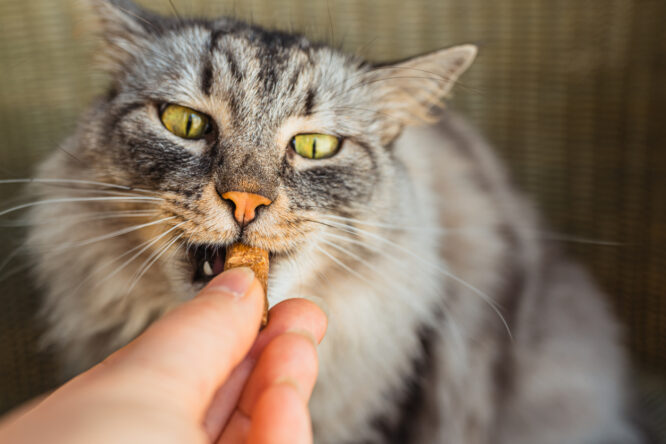
Ask most owners why their pet is a bit heavier than it should be and treats rarely come up as the reason, but they’re often the biggest factor. A treat here for coming when called, a bit of toast crust there, a handful of biscuits or a few extra cat treats just because those eyes are hard to say no to. None of it feels like much in the moment, yet it adds up fast for an animal so much smaller than us. Cats especially can tip into obesity on surprisingly few extra calories a day.
Treats aren’t the problem on their own. The problem is giving them without thinking about what they add to a pet’s daily calories. If treats are part of the routine, work out roughly how many calories they contain and take that amount off the regular food portion instead of piling it on top. Whole foods like blueberries make a decent swap for processed treats too, since they bring some nutritional value along with the reward.
What goes in the bowl matters as much as how much.
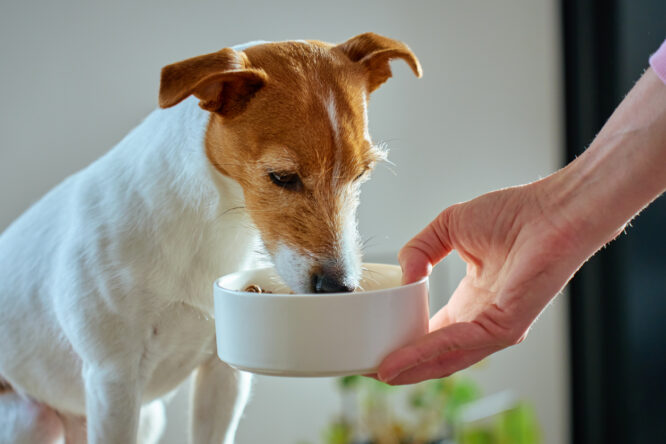
Most dry food, for dogs and cats alike, is packed with carbohydrates, partly because it’s cheaper to make that way and partly because it helps hold the kibble together. Pets can process some of that, but diets heavy in carbs tend to leave them wanting more food rather than less, which makes overeating far easier to fall into without anyone deciding to let it happen.
Animals on a meat-based, whole food diet rarely end up overweight in the same way. Cats in particular are built to eat meat rather than carb heavy food, so a diet that reflects that tends to keep their weight steadier without much extra effort. That doesn’t mean every bag of kibble is doing harm, but it’s a good idea to pay attention to what’s actually in the food rather than just how much of it goes into the bowl each day.
Burning off more than they take in still works.
This gets more complicated in people, since eating less tends to leave you hungrier and chasing snacks. Pets are a bit simpler to manage because you control exactly what goes into their bowl each day. Cut the food slightly, keep the exercise steady or increase it a touch, and the weight comes off. Your dog or cat might seem a little more eager at mealtimes for a while, and that’s normal. It doesn’t mean anything has gone wrong.
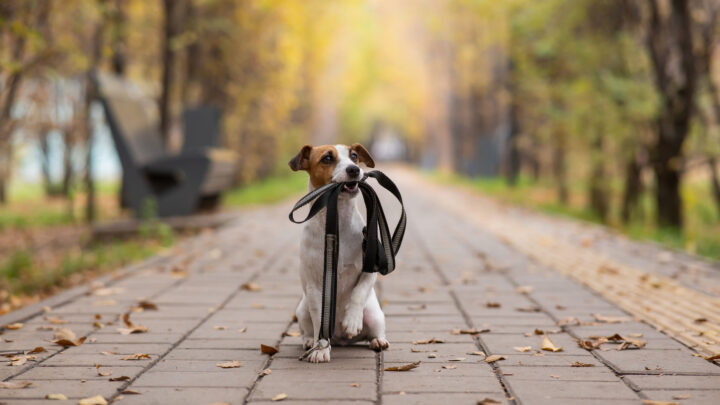
Long walks are the easiest way for dogs to burn calories without needing anything fancy. Cats are trickier since most won’t head out for a stroll, so a bit of daily play with a wand toy or a laser pointer does a similar job. No equipment beyond a toy, no special classes, just a few minutes of movement built into the day.
Walks and dental care get overlooked far too often.
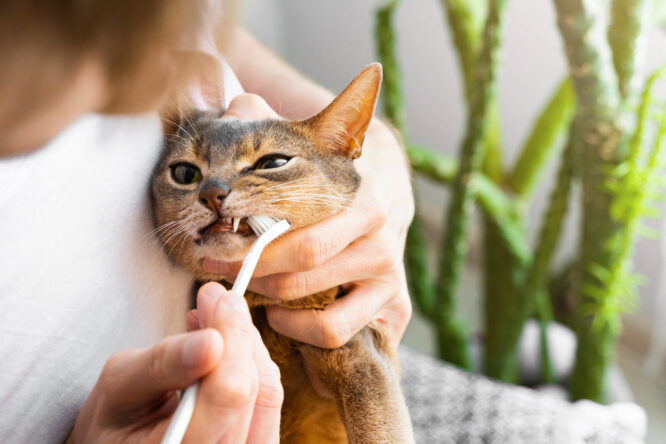
Weight isn’t the only thing owners tend to miss. Dogs that don’t get walked enough often develop behavioural issues, from restlessness to reacting badly to other dogs. Cats that don’t get enough play can become bored and withdrawn in similar ways. And most pets have some kind of dental trouble by the time they’re three years old, which sounds minor until you realise gum disease has been linked to heart, liver, and kidney problems later in life. A mouth that looks slightly off can be doing far more damage than it appears to on the surface.
Prevention beats correction every time.
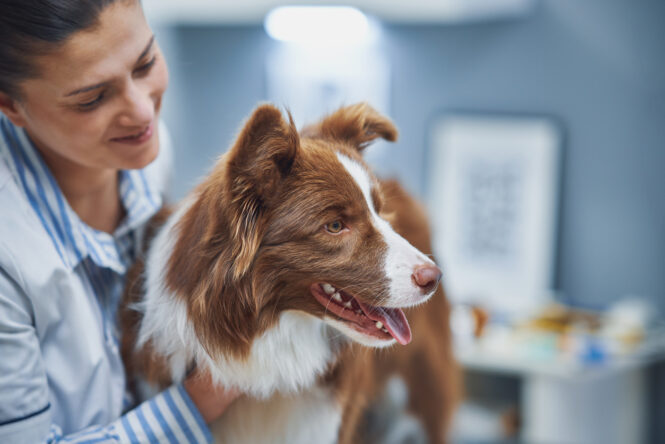
Trying to slim down a pet that’s already overweight takes real commitment, checking portions, cutting treats, adding movement, sticking with it every single day until the weight changes. It’s far easier to never let it get there in the first place. Starting a puppy or kitten on a decent whole food diet and keeping an eye on their weight as they grow gives them the best shot at avoiding the whole issue.
None of this needs to be complicated. Fewer treats, better food, regular movement, and an honest look at your pet’s body every so often. Those four things, kept up consistently, do more for a dog or cat’s health and lifespan than almost anything else an owner can control.