If you’ve watched a much-loved local shut its doors only to reopen months later as a block of luxury flats or a convenience store, that could soon become a lot harder to pull off.

New planning rules coming into force across England will make it significantly tougher for developers to convert historic drinking spots into housing or commercial offices, handing communities and publicans far more leverage than they’ve had in decades.
For years, campaigners have warned that a mixture of soaring energy bills, changing consumer habits, and predatory property speculation has hollowed out the British high street, turning community hubs into quick-buck development sites. Under the tightened framework, developers will no longer be able to quietly run a venue into the ground to justify changing its use. Instead, strict new hurdles, including proof of exhaustive marketing as a functioning pub and concrete evidence that the business is unviable, aim to put the brakes on rapid conversions and keep the heart of local neighbourhoods beating.
What developers will now have to prove before converting a pub

Under the updated rules, anyone wanting to change a pub’s use will need to show clear evidence that there’s no realistic way to keep it running as a pub. That means proving it was actively marketed for sale for a minimum of twelve months, rather than being quietly shelved and quickly flipped into something else.
Councils will also be expected to properly weigh up what losing a pub would mean for the local community before granting any change of use. The rules are designed to stop the somewhat cynical practice of an owner deliberately letting a pub’s trade wither away simply to build a case for closing it down, protecting pubs that have actually been doing well over the years.
An earlier version of the plan would have left most pubs unprotected.

It’s important to note how much this has moved on quite a bit from where things started. An earlier consultation on these changes would only have protected the very last pub in a given area, leaving plenty of other well-loved locals with no real safeguard at all. The final version goes considerably further, extending protection much more broadly.
Industry groups say the real problem is cost, not conversion.

Not everyone thinks tighter planning rules alone will save the British pub. Groups representing the hospitality trade have pointed out that pubs have been closing at an alarming rate, and they argue the real culprit is rising costs rather than developers circling for a quick conversion.
Industry figures have been fairly blunt about it. Costs like VAT and business rates are what’s actually forcing pubs to close in the first place, they argue, and no amount of planning red tape changes that underlying financial reality. As one hospitality boss put it, you can stop a pub being turned into a flat through legislation, but you can’t force it to stay open if it simply isn’t making money. The worry among those in the trade is that without addressing running costs directly, some premises could end up neither operating as pubs nor converted into anything else, just sitting empty instead.
Some financial help has already been announced.

The government hasn’t ignored the cost side of things entirely. Back in July, pubs, social clubs and live music venues in England were given a 20% reduction in business rates, on top of separate rates relief that had already been announced earlier in the year. Whether that goes far enough to offset the wider cost pressures facing the trade remains to be seen.
The same rules also make it easier to build homes near train stations.

Pubs aren’t the only thing affected by this update. The same planning changes include a new default approval for building homes close to railway stations across England, as part of a wider push to get more housing built more quickly. The idea is to make it easier for people to live somewhere well-connected to transport links, rather than getting bogged down in lengthy planning battles over sites that are already close to stations.
Not every change has gone down well.

Some organisations that previously had a formal say in planning decisions will lose that role under the new rules. A heritage charity focused on protecting parks and gardens has been particularly critical of losing its status as a mandatory consultee, warning that it leaves those spaces more exposed to developments that haven’t been properly thought through. Under the new system, it will still be notified about relevant planning applications, just without the same guaranteed input it previously had.
The bigger picture on housing targets can’t be ignored.
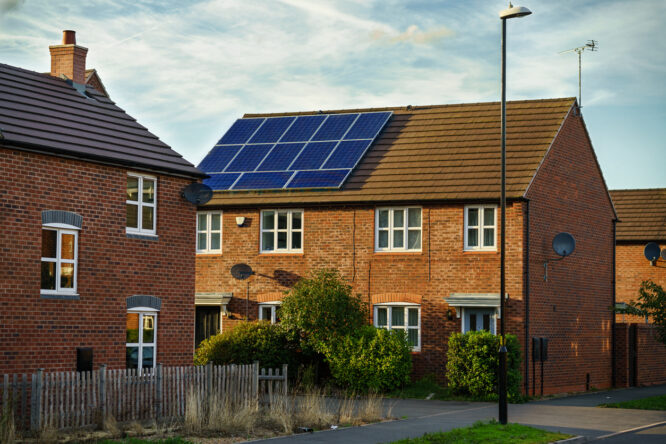
All of this sits within a much larger push to build more homes across England, with a target of 1.5 million new homes by 2029. Progress so far has fallen well short of that pace, and opposition politicians have been quick to blame taxes and bureaucracy for the shortfall, arguing the government is now trying to force through developments in the wrong places rather than tackling the barriers that are slowing housebuilding down in the first place.