Plenty of fully qualified drivers reckon they’d smash the driving theory test if they had to retake it today.
The reality is often very different. Between stopping distances, motorway rules, smart motorway signs, and newer Highway Code updates, a lot of people realise fairly quickly they’ve forgotten more than they thought. Here are 20 theory-style questions based on the kinds of things learners are expected to know before getting behind the wheel.
See how many you can get right before checking the answers at the end. Even if you’ve been on the road for decades, you might be surprised at how many you get wrong.
1. What’s the national speed limit on a single carriageway road for cars?
A: 50mph
B: 60mph
C: 70mph
D: 40mph
2. What should you do if you’re caught in a traffic jam on a motorway?

A: Get out of the car for fresh air
B: Reverse to the previous exit
C: Stay in your vehicle unless told otherwise
D: Use the hard shoulder to turn around
3. What does a red X above a motorway lane mean?
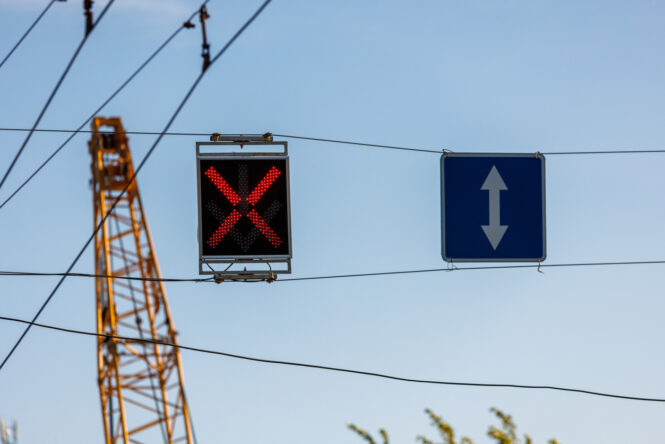
A: The lane is for overtaking only
B: The lane ahead is slow moving
C: You can use the lane if traffic is light
D: The lane is closed
4. What’s the typical stopping distance at 70mph?

A: 96 metres
B: 53 metres
C: 75 metres
D: 120 metres
5. When can you legally use a mobile phone while driving?

A: At traffic lights
B: When using speakerphone
C: Only when safely parked with the engine off
D: On quiet roads
6. What should you do before opening your car door into traffic?

A: Check your mirrors only
B: Use the Dutch Reach method
C: Flash your hazards first
D: Open it quickly
7. What does flashing amber lights at a pelican crossing mean?

A: Stop immediately
B: Pedestrians must stop
C: You may proceed if the crossing is clear
D: The crossing is broken
8. What’s the legal minimum tyre tread depth for cars in the UK?
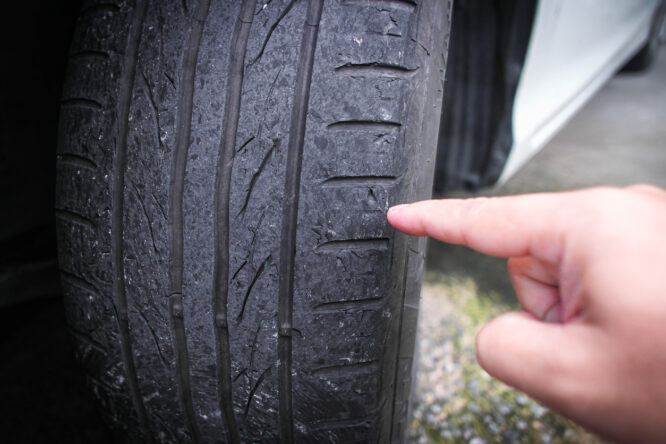
A: 2 mm
B: 1.6 mm
C: 3 mm
D: 1 mm
9. What should you do if your vehicle starts to skid?

A: Brake hard immediately
B: Accelerate sharply
C: Steer gently into the skid
D: Turn the wheel sharply the opposite way
10. What does a triangular road sign normally mean?
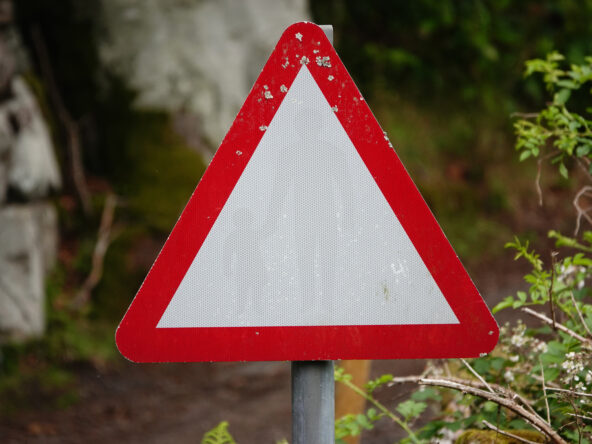
A: Directions
B: Warnings
C: Speed limits
D: Motorway information
11. How close should you normally stay behind the vehicle in front in dry conditions?
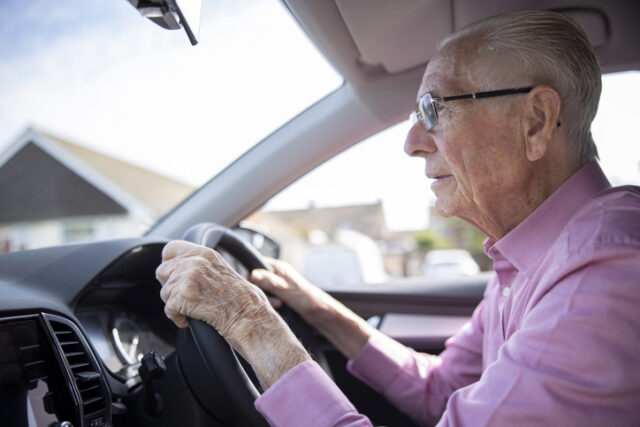
A: One second
B: Two seconds
C: Four seconds
D: Half a second
12. Who has greater responsibility under the Highway Code hierarchy of road users?

A: Cyclists
B: Pedestrians
C: The bigger or more dangerous vehicle
D: Whoever has priority
13. What should you do if an emergency vehicle approaches with sirens on?

A: Mount the pavement immediately
B: Brake sharply
C: Stay calm and move safely if possible
D: Speed up to clear the road
14. What colour are motorway signs in the UK?

A: Green
B: White
C: Blue
D: Red
15. What should you do if you miss your motorway exit?
A: Reverse carefully
B: Use the hard shoulder
C: Continue to the next junction
D: Stop and wait for a gap
16. What’s the first thing affected by alcohol when driving?

A: Eyesight
B: Reaction time and judgement
C: Steering ability
D: Hearing
17. What does a flashing yellow beacon on a vehicle usually mean?

A: The vehicle is broken down
B: The vehicle is slow-moving or obstructing traffic
C: The driver is lost
D: The vehicle is speeding
18. What should you do before a long journey?
A: Rely on your sat nav completely
B: Check tyres, fuel, and fluids
C: Leave as quickly as possible
D: Lower tyre pressure
19. What does a broken white line down the centre of the road mean?

A: Overtaking is banned
B: No stopping allowed
C: You may cross if safe
D: One-way traffic only
20. How many multiple-choice questions are in the UK driving theory test?

A: 40
B: 45
C: 50
D: 60
Answers.

1. B: 60mph
2. C: Stay in your vehicle unless told otherwise
3. D: The lane is closed
4. A: 96 metres
5. C: Only when safely parked with the engine off
6. B: Use the Dutch Reach method
7. C: You may proceed if the crossing is clear
8. B: 1.6 mm
9. C: Steer gently into the skid
10. B: Warnings
11. B: Two seconds
12. C: The bigger or more dangerous vehicle
13. C: Stay calm and move safely if possible
14. C: Blue
15. C: Continue to the next junction
16. B: Reaction time and judgement
17. B: The vehicle is slow-moving or obstructing traffic
18. B: Check tyres, fuel, and fluids
19. C: You may cross if safe
20. C: 50
If you struggled with more of these than expected, you’re definitely not alone. A lot of experienced drivers forget theory test rules surprisingly quickly once they stop revising for them, especially things like stopping distances, smart motorway signs, and newer Highway Code updates. The problem is that these rules still matter every single time you get behind the wheel.
The good news is that most of it comes back fairly quickly once you refresh yourself. Even spending ten minutes looking through the Highway Code now and then can make a real difference, especially with road rules changing more often than many people realise. Passing your test years ago doesn’t automatically mean you’d breeze through it today.