If you use your own car or van to get around for work, you’re likely used to watching every penny at the petrol pump.
For 15 years, the amount your employer could pay you tax-free for those miles was stuck at a stubborn 45p, leaving drivers to swallow the massive rise in fuel, insurance, and maintenance costs. However, the government’s sudden decision to bump that cap up to 55p per mile is a massive change for mobile workers across the UK.
Whether your boss pays you the full amount directly or you have to claim the difference back as tax relief, this update is going to put a decent chunk of cash back into your pocket. Knowing how the new rules work is the best way to make sure you’re not left out of pocket on your next expense claim.
The big change is a very important one, according to Martin Lewis.
If you use your own car for work, you can now claim 55p per mile for the first 10,000 miles you drive in a tax year. That’s up by 10p from the old rate of 45p. The change has been backdated to April 2026, which means anyone who’s driven for work since then will benefit too.
Martin Lewis, the founder of MoneySavingExpert, has called this one of the most important changes announced and is genuinely chuffed about it. He says the rise had been long overdue, with the rate having been frozen at 45p per mile since 2011. For people like care workers driving between houses, this kind of jump makes a real difference to what ends up in their pocket at the end of the month.
How the mileage allowance actually works
The mileage allowance is the amount your employer can pay you to cover the costs of using your own car for work. It doesn’t count as earned money, so you don’t pay any tax or National Insurance on it. The idea is to make sure you’re not out of pocket from things like petrol, wear and tear, insurance and general running costs.
The allowance covers cars and vans for the first 10,000 miles. After that, the rate drops to 25p per mile, although it’s not yet clear whether that lower rate will also be going up. Motorbikes get a flat 24p per mile, and bicycles get 20p, regardless of how far you ride. These rates apply only when you’re using your vehicle for work, not for your daily commute to and from a workplace.
What happens if your employer doesn’t pay the full rate

Here’s something a lot of people don’t realise. If your employer pays you less than the full mileage rate, you can claim tax back on the difference. So if your boss gives you 30p per mile, but the official rate is 55p, you can claim tax relief on the 25p gap for every mile you drive for work.
And if your employer doesn’t pay you anything at all for using your car, you can claim tax relief on the full 55p per mile. You usually do this through HMRC or via your tax return if you’re self-employed. It might sound complicated, but it can add up to a meaningful chunk of money over a year if you do lots of driving as part of your job.
Cheaper family days out this summer are also on the horizon.

The Chancellor also announced a temporary VAT cut for family days out. From 25 June to 1 September 2026, VAT will drop from 20% to 5% on a whole range of attractions and treats across the UK. The hope is that businesses will pass these savings on to customers, making summer activities a bit kinder on the wallet.
The cut covers children’s restaurant meals, family, and child tickets for cinemas, theatres, concerts, shows and exhibitions, plus admission tickets to attractions like amusement parks, fairs, museums, zoos, soft play centres, circuses, adventure parks, nature reserves, wildlife parks and observation decks. Martin Lewis has welcomed the change, saying it’s the kind of practical, visible benefit consumers have been asking for.
Free bus travel is on offer for kids in August.

Children aged 5 to 15 in England will be able to travel free on participating local buses throughout August. This is a brilliant little boost for families during the school holidays, particularly those who’d otherwise be juggling the cost of days out and travel.
The Government hasn’t yet confirmed exactly which bus routes will be taking part, so it’s worth checking ahead of any planned journeys. For families relying on public transport to get to days out, summer clubs or seaside trips, this could shave off a meaningful amount over the six-week break.
Fuel duty is staying frozen again.
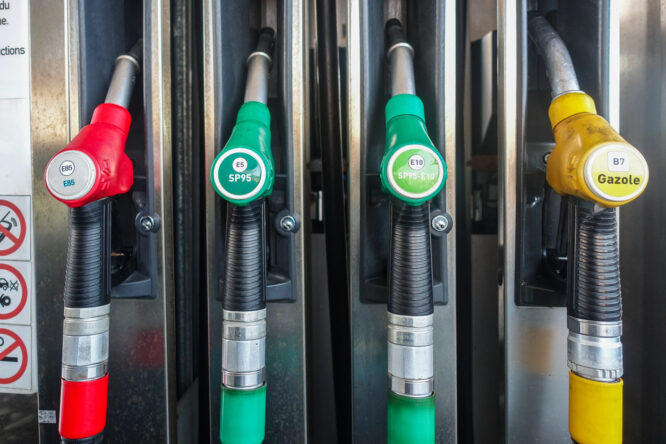
The tax on petrol and diesel, known as fuel duty, was due to rise at the end of August 2026. The Chancellor has confirmed it will stay frozen at 52.95p a litre until at least December 2026, which is welcome news for drivers worried about another increase at the pumps.
Martin Lewis described the fuel duty freeze as one of the more meaty announcements. While it doesn’t make filling up cheaper than it already is, it means costs won’t suddenly jump up at the pumps later this summer. Combined with the mileage allowance rise, it’s a decent bit of help for anyone who relies on a car day to day.
Some food items could get cheaper.

The Government has announced targeted cuts to the taxes that companies pay when they import certain food items. These taxes, known as agri-food tariffs, currently add to the cost of items like biscuits, chocolate, dried fruit and nuts. The hope is that cutting them could deliver more than £150 million a year of savings that could be passed on to shoppers.
Martin Lewis has said the food tariff cuts are likely to be a small gain in people’s pockets, but the bigger benefit is helping to keep inflation down. Lower inflation tends to lead to lower interest rates, which helps with mortgages, savings, and the cost of borrowing across the board. It’s a quieter change, but one that could have ripple effects far beyond the snack aisle.
What still needs to be confirmed
MoneySavingExpert has flagged several questions that still need answers from the Government. It’s not yet clear whether the higher mileage rate will also apply to drivers who clock up more than 10,000 miles a year, since the lower 25p rate after that threshold hasn’t been mentioned. The flat rates for motorbikes and bicycles also haven’t been updated, despite cycling being a key part of how many workers travel.
There are also questions about exactly how the backdated change to April 2026 will work in practice, and how long the new rate will last. MSE has said they’ll be chasing the Government for clarification and will keep updating their information as more details come out. For now, anyone who drives for work should start keeping a careful log of their mileage so they can claim the new rate properly when the time comes.
What to do next if you drive for work

If you use your own car for work and your employer pays you for mileage, check what rate they’re paying. If it’s less than 55p, you may be able to claim tax relief on the difference. This applies whether you’re employed or self-employed, and it can add up to hundreds of pounds a year for people who do a lot of driving.
Keep a proper log of all your work-related journeys. Record the date, where you went, why and how many miles you covered. Apps like MileIQ make this easy if you don’t fancy keeping a paper notebook in the glove box. When tax return season comes around, or if you’re claiming through HMRC’s online portal, having a clear record makes the whole process far simpler. With the new rate now in place, it’s worth taking the time to make sure you’re getting every penny you’re entitled to.