Buying a house can be a rollercoaster of emotions.
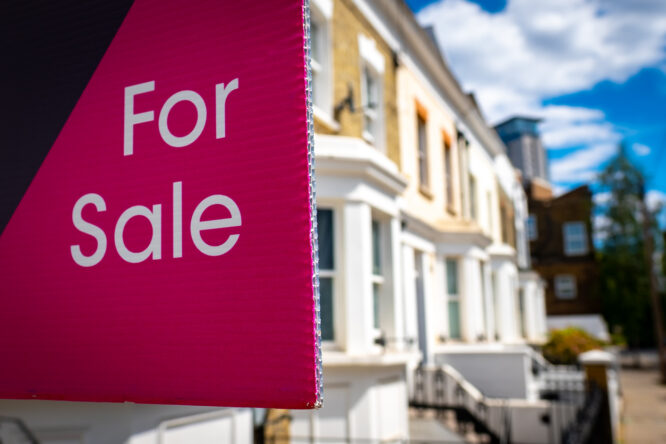
You spend months trawling through property sites, finally found the perfect place, and have your offer accepted by the seller. It should be a moment to celebrate, but under the property laws in England and Wales, you’re not actually safe until the contracts are signed and exchanged. Up until that final moment, you’re completely vulnerable to being gazumped—a painful scenario where another buyer swoops in at the eleventh hour with a higher offer, leaving you empty-handed and out of pocket for survey fees.
It’s one of the most stressful experiences a buyer can face, but you don’t just have to sit back and hope for the best. By taking a few smart, proactive steps early on, you can protect your investment and stop someone else from stealing your dream home from under your nose.
What is gazumping?

Gazumping happens when a seller accepts your offer on a property, you start spending money on surveys and legal fees, and then the seller goes ahead and accepts a higher offer from someone else before contracts are exchanged. At that point, you’ve lost the property entirely and there’s currently nothing legally stopping them from doing it.
It tends to happen most on properties that attract a lot of interest, whether that’s because of the price, the location, or the quality of the home itself. Starter homes and highly desirable properties are particularly vulnerable, since competitive demand creates the conditions where sellers feel they can always do better.
It’s damaging on many levels for buyers.

Beyond the emotional blow of losing a home you’ve already mentally moved into, gazumping carries a very real financial cost. By the time it happens, most buyers will have already paid for a survey and instructed a solicitor, costs that can easily run into several hundred pounds and are simply lost when the sale falls through.
Weeks of time, stress, and planning go with it too. Unlike losing out in a straightforward bidding situation, gazumping feels particularly unfair because the deal was already agreed, and it’s the seller going back on their word rather than fair competition at work.
Move as fast as possible after your offer is accepted.

The single most effective thing a buyer can do to reduce the risk of being gazumped is to minimise the time between offer acceptance and exchange of contracts. The longer that window stays open, the more opportunity there is for another buyer to come along with a higher offer.
Instructing a solicitor immediately, getting a mortgage offer in place quickly, and pushing for an early exchange date all help close that window faster. Every day spent waiting is a day the seller could be fielding calls from other interested parties.
Ask for the property to be taken off the market.

When making an offer, it’s worth asking the seller’s estate agent whether they’d be willing to take the property off the market as a condition of accepting. This removes the possibility of competing bids coming in while you’re working through surveys and legal checks.
Not every seller will agree to this, particularly if they want to keep their options open, but it’s a reasonable request and some sellers will accept it, especially if they’ve already decided you’re their preferred buyer and want to move forward without the complication of further viewings.
Stay in regular contact with the seller and agent.

Consistent, transparent communication with both the seller and their estate agent throughout the buying process signals that you’re committed and things are progressing on your end. Sellers are less likely to entertain alternative offers if they feel confident the existing deal is moving forward smoothly.
Going quiet during the process can create doubt, which is exactly the kind of uncertainty that makes a seller more receptive to hearing what another buyer is offering. Keeping everyone updated, even when there’s nothing particularly new to report, reinforces your reliability as a buyer.
Scotland handles this differently (and better).

Interestingly enough, Scotland operates under a completely different system that effectively makes gazumping impossible. Once an offer is formally accepted in Scotland and solicitors have exchanged official letters known as missives, the deal becomes legally binding on both sides.
If either party pulls out after that point without justification, they can be held financially liable for the other party’s losses. Sellers in Scotland are also required to provide a home survey to prospective buyers upfront, which changes the dynamic of the whole process from the start.
Is the law about to change in England and Wales?

There has been growing pressure on the government to ban gazumping in England and Wales, and recent signals suggest change may be coming. Plans have been outlined that would make home sales legally binding much earlier in the process, potentially as soon as an offer is accepted.
Under proposed new binding conditional contracts, both buyer and seller would be locked into the deal sooner, with financial penalties available if either side pulled out without good reason. Until those changes become law, however, buyers remain unprotected and need to rely on moving quickly and communicating clearly to reduce their exposure.
Sellers should also think carefully before gazumping.

Accepting a higher offer mid-sale might seem straightforwardly appealing for a seller, but it comes with practical risks that aren’t always obvious in the moment. A new buyer may not be as financially solid as the original one, could have difficulty securing their mortgage, or might come with more complicated demands that slow everything down.
There’s also the risk of gazundering to consider, where a buyer drops their offer just before exchange, leaving the seller to choose between accepting a lower price or watching the whole sale collapse. Reputation matters in local property markets too, and sellers who are known to accept late offers can find that word spreads, making future transactions more difficult.