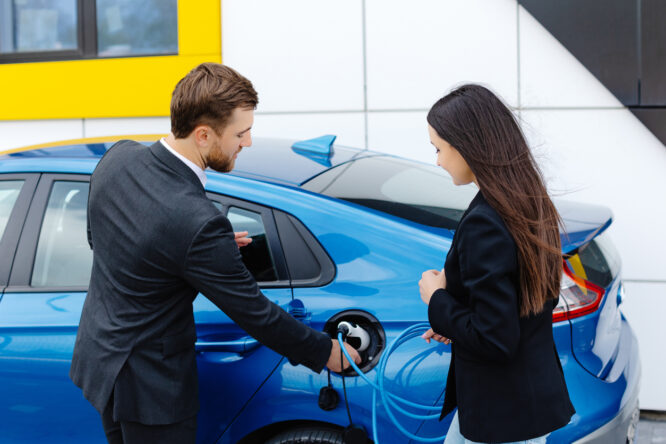
With fuel prices constantly fluctuating, filling up your car can be a massive drain on your monthly budget.
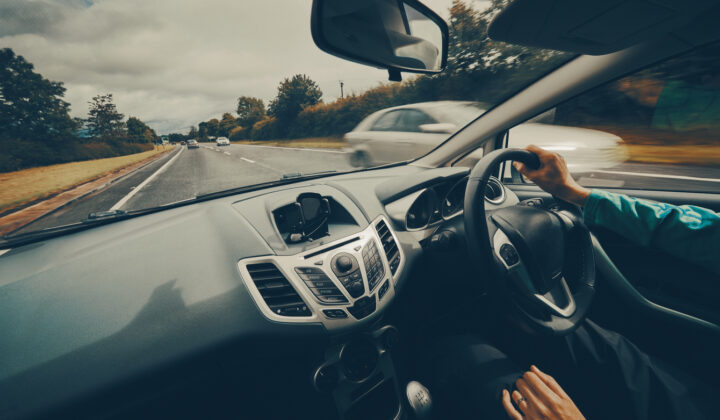
Most drivers assume the only way to cut down on petrol or diesel costs is to change their car entirely or simply stop driving so much. However, the way you actually handle your vehicle between the gears and pedals has a huge impact on how quickly your tank empties. However, small adjustments to your driving habits can easily shave an impressive chunk off your fuel bills. By making a few simple, common-sense changes the next time you hit the road, you can make every single litre of fuel stretch noticeably further.
Drive smoothly and avoid harsh acceleration.

Accelerating gently and easing off the gas where possible makes a real difference to how much fuel your engine burns. As a rough guide, try to keep revs between 1,500 and 2,500rpm in a petrol car or 1,200 and 2,000rpm in a diesel, without labouring the engine unnecessarily.
Reading the road ahead helps you avoid unnecessary braking, too, since braking wastes the energy used to get your car moving in the first place. If you’re approaching traffic lights, try coasting to a stop in gear rather than braking hard, and you might even find the lights change before you need to stop at all. This applies to electric cars as well, where relying on regenerative braking helps stretch your range further.
Stick to standard unleaded and choose the right fuel station.
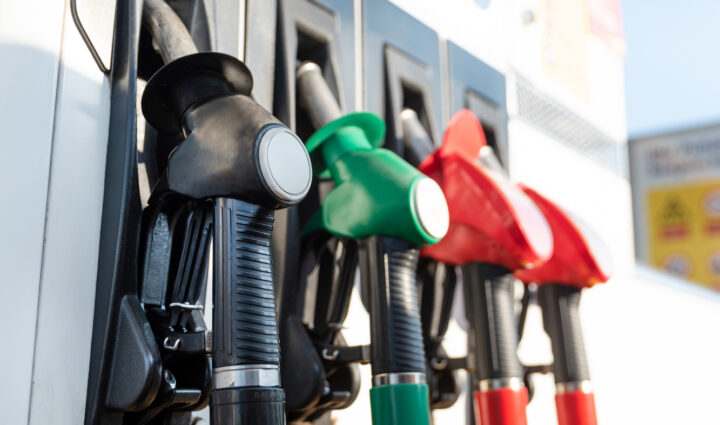
Premium or super unleaded rarely offers any real benefit unless your car specifically requires a higher octane rating, yet it typically costs 10 to 15p more per litre than standard unleaded. For most drivers, sticking with regular fuel is the easy money-saving choice.
Don’t assume supermarkets are automatically your cheapest option either, since independent petrol stations can sometimes undercut the big chains depending on your area. Websites like PetrolPrices.com and sat nav apps such as Waze can show live prices nearby, helping you spot the best deal before you fill up.
Check your tyre pressure regularly.
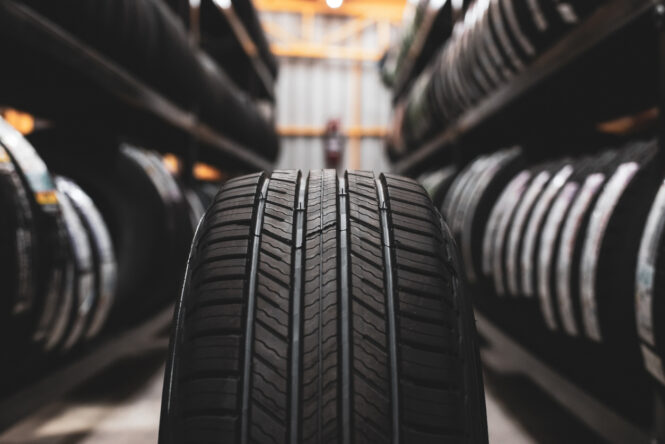
Underinflated tyres create more rolling resistance, forcing your engine to work harder than it needs to. The correct pressure for your car is usually listed in the handbook or on a sticker inside the driver’s door pillar, and it’s worth checking regularly rather than only when something feels off.
Incorrect tyre pressure also affects your braking performance and causes uneven wear, meaning you’ll likely need replacement tyres sooner than expected. A cheap tyre inflator can turn this into a five-minute job rather than something you keep putting off.
Remove unnecessary weight and reduce drag.

Roof racks, bike carriers, and external boxes all add extra weight and wind resistance, forcing your engine to burn more fuel to maintain speed. If you’re not using them, taking them off makes a measurable difference, especially on longer journeys.
Open windows create surprising amounts of drag at higher speeds, too, so using air conditioning instead can actually work out more efficient once you’re past a certain speed. Bent bodywork or loose trim pieces have a similar effect, quietly increasing resistance without you necessarily noticing.
Skip the engine warm-up.

It’s generally better to drive gently straight after starting your car, rather than letting it idle to warm up first. Not only does the engine reach operating temperature faster this way, reducing wear over time, but you’ll burn less fuel sitting still doing nothing useful. If your windscreen is iced over, reach for a scraper or de-icing spray instead of leaving the engine running while the heater clears it, since that wastes fuel for very little benefit.
Sign up to loyalty and cashback schemes.

Plenty of petrol stations and supermarkets offer loyalty cards that build up points or discounts every time you fill up. If you tend to use the same station regularly, or always fill up during your weekly shop, signing up costs nothing and can add up to genuine savings over time.
Change gears earlier and stick to the speed limit.
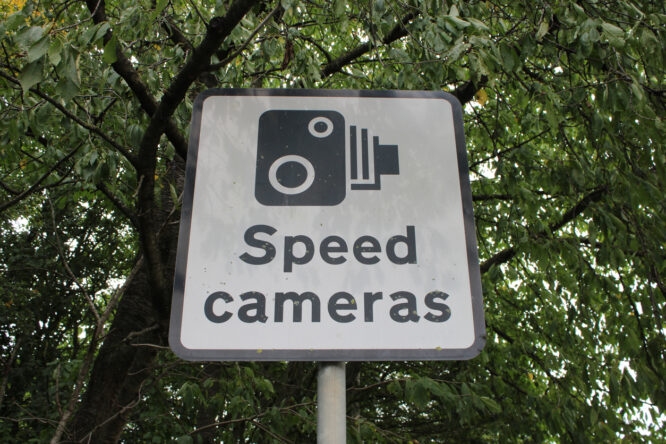
Changing up a gear around 2,000rpm rather than pushing the engine higher tends to improve efficiency, and many newer cars include a gear-shift indicator or eco-mode to help with this automatically. Short shifting, such as skipping from first gear straight to third, can also reduce how much fuel you use.
Speed itself plays a huge role too. According to Department for Transport figures, driving at 80mph on the motorway uses around 25% more fuel than driving at 70mph, while dropping from 70mph to 60mph saves around 9%, and dropping further to 50mph saves another 5% on top of that.
Turn off air-con and other power-hungry extras.
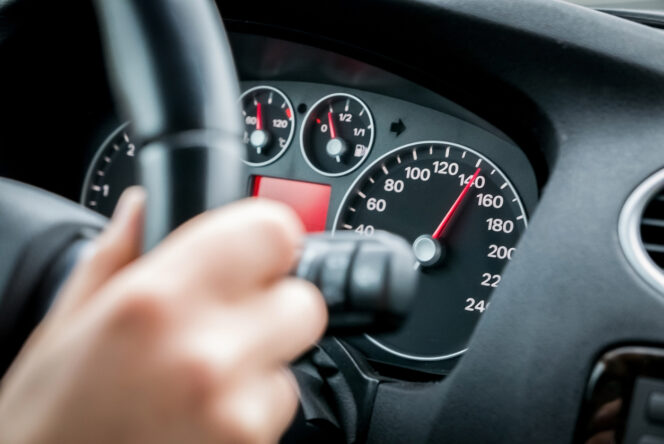
Air conditioning is the biggest drain on fuel among a car’s electrical extras, so using it sparingly rather than constantly can lead to noticeable savings over time. That said, it’s worth running it occasionally even when you don’t need it, since systems left unused for months can develop mould or fail due to cracked seals.
Heated rear screens, demisters, and headlights all draw power too, so it’s worth switching them off whenever they’re not actually needed rather than leaving them running out of habit.
Plan your route with a sat nav.
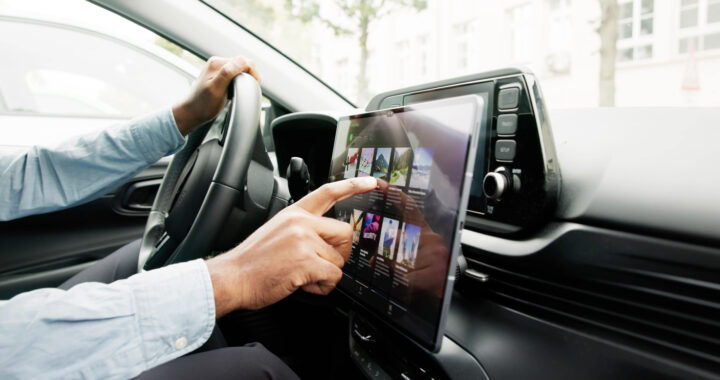
Getting lost wastes fuel, so planning your journey properly before setting off, especially somewhere unfamiliar, helps avoid unnecessary detours. Sat navs can replot your route in real time to dodge traffic jams or accidents, and some models can even choose the most fuel-efficient route, steering you away from steep hills or heavy stop-start traffic.
Keep up with maintenance.
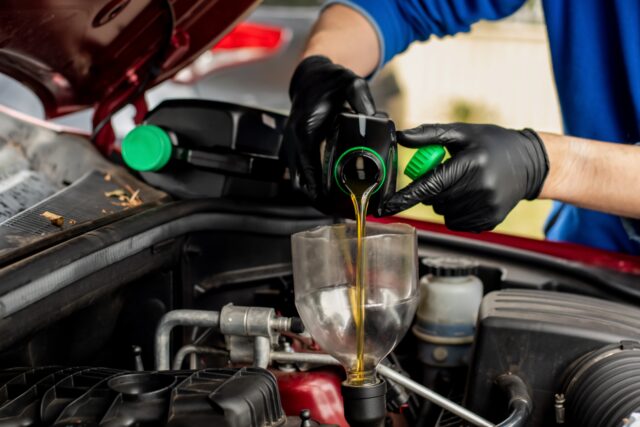
Sticking to your car’s service schedule isn’t just about avoiding big repair bills later on, it also keeps the engine running efficiently day to day. Clean oil and fresh filters make a real difference to how hard your engine has to work. Some manufacturers offer free winter checks too, where a dealer inspects your car to make sure it’s safe and ready for colder, wetter conditions.
Think about going electric.
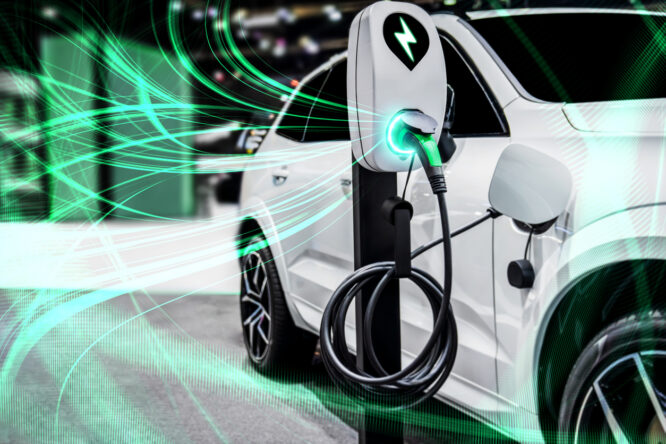
If you’re already in the market for a new car, switching to electric can cut your running costs significantly, though this really only pays off if you’re able to charge at home rather than relying on public chargers. Charging overnight at home tends to be far cheaper than topping up on the go.
If you already drive an electric car, there are still ways to bring charging costs down further, particularly by taking advantage of off-peak electricity tariffs designed for EV owners.