In the UK, you can’t even buy a loaf of bread without accidentally making a statement about where you sit on the social ladder.
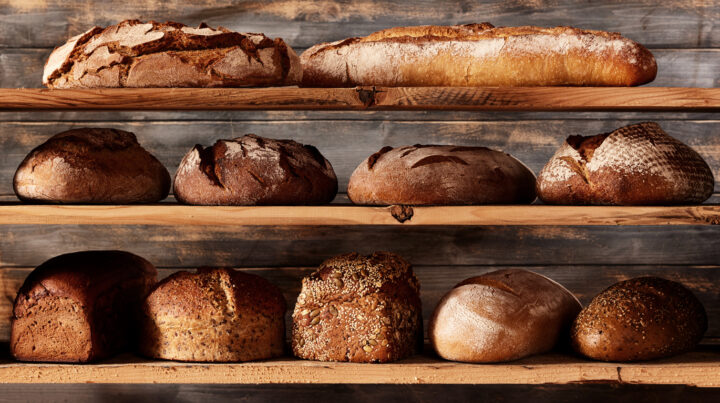
While most people around the world just see a quick way to make a sandwich, we’ve spent decades turning the bakery aisle into a minefield of status symbols and subtle judgements. There’s a massive cultural gulf between someone who wouldn’t be caught dead without a fermented sourdough on their counter and someone who thinks anything other than a plastic-wrapped sliced loaf is a bit pretentious.
It’s a uniquely British quirk that we use flour and water to broadcast our background, pegging each other’s bank balances or education based on how thick the crust is or whether there’s a bit of flour dusted on top. You might think you’re just grabbing a snack, but that loaf in your basket is doing a lot of talking about who you are before you’ve even reached the checkout.
White sliced still carries that “basic but practical” label.
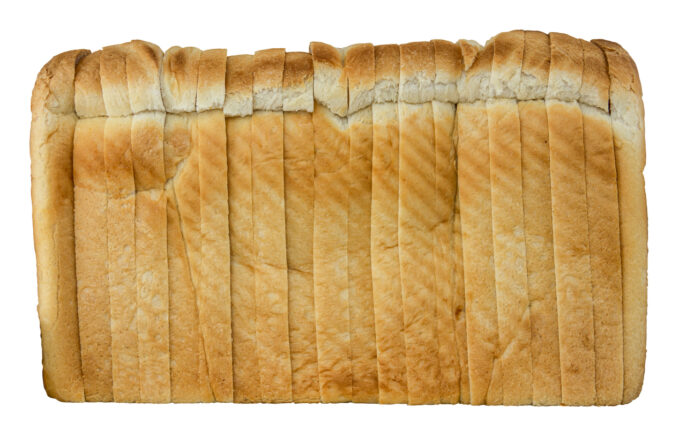
Walk into most British homes, and you’ll still find a standard loaf of white sliced somewhere in the kitchen. It’s cheap, fills you up, and does the job without any fuss. That practicality is exactly why it’s often linked to working-class households, not in a negative way, but in a real-life, everyday sense. When money’s tight or life’s busy, convenience tends to win over everything else, especially when you’re feeding a family and just need something reliable on hand.
There’s also history sitting behind this. White bread used to be a luxury centuries ago, but mass production flipped that completely. Once factories made it cheap and widely available, it became the go-to option for people who needed value and reliability. These days, choosing comes down to getting through the week without overspending or overthinking food, which is a reality for a lot of households.
Wholemeal and brown bread tend to send the message of “trying to be healthier”.
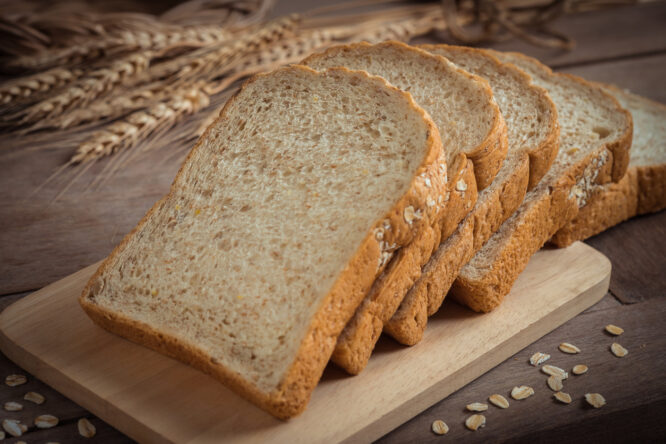
Wholemeal bread has a bit of a different vibe. It’s often picked by people who are thinking about health, fibre, and long-term habits rather than just what’s cheapest or quickest. That leans more toward middle-class behaviour, where food choices are tied to wellbeing, not just hunger. It’s less about filling up and more about feeling like you’re making a slightly better choice day to day.
That change isn’t random. As incomes rise, people tend to move toward what they see as better quality food, even if the difference isn’t always dramatic. Higher earners are more likely to pay attention to ingredients and nutrition, which is why wholemeal and seeded loaves tend to show up more in those households. It becomes part of a wider routine that includes things like reading labels and thinking ahead about meals.
Sourdough has become the unofficial badge of the middle class.
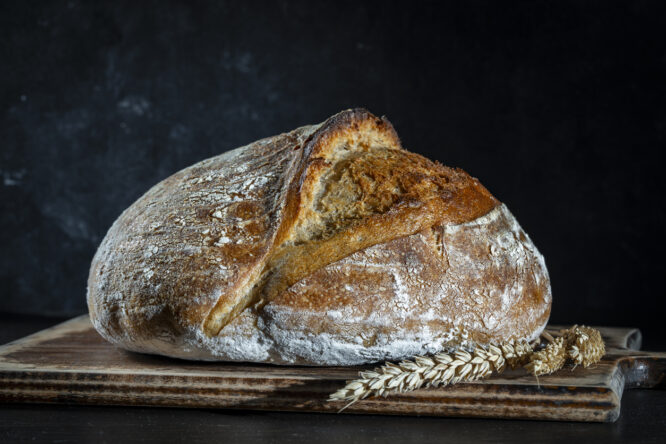
If there’s one bread that stands out right now, it’s sourdough. It’s more expensive, takes longer to make, and usually comes from a bakery that feels a bit more curated than your average supermarket aisle. Buying is focused on taste, sure, but it’s also about what it represents. It often comes with a story, whether that’s how it’s made, where the flour comes from, or how long it’s been fermented.
Paying a few pounds more for a loaf shows you’ve got the spare money and the interest to prioritise it. It’s often tied to ideas around health, slow living, and supporting smaller producers. That naturally leans toward people with more disposable income and a bit more freedom in how they shop, especially if they’ve got the time to go out of their way for it.
“Artisan” bread is as much about identity as it is about food.
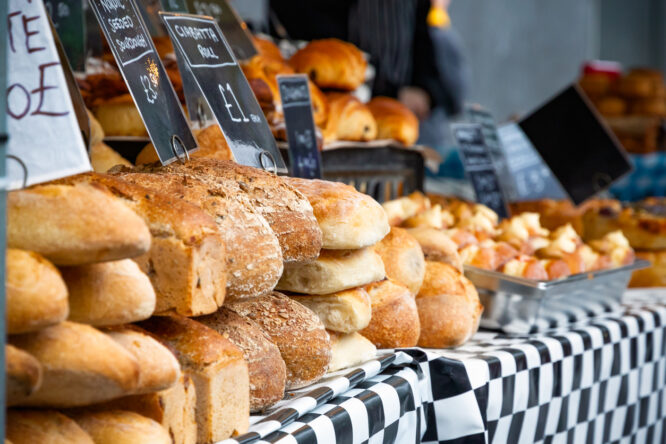
People who go out of their way to buy bakery bread often aren’t just hungry—they’re making a choice about how they live. Supporting local shops, caring about ingredients, and avoiding mass production all feed into a certain lifestyle. It’s the kind of decision that feels like no big deal, but it connects to bigger ideas about quality and values.
This links to a bigger idea that food choices reflect background and social position, not just taste. Bread becomes a small way of showing where you sit in that wider picture, even if you’re not doing it consciously. Eventually, those habits build into a pattern that’s easy to spot when you look across different groups of people.
Cheap bread vs expensive bread reflects a wider inequality problem.
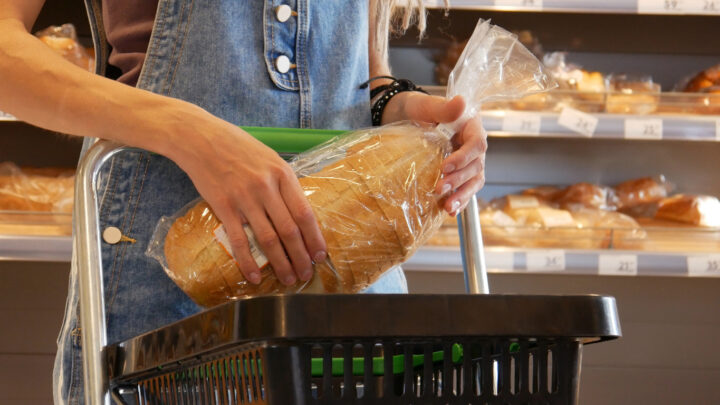
There’s a big gap in the UK between the cheapest supermarket loaf and something from a small bakery. You can get one for well under a pound, or spend several times that without trying very hard. That difference comes down to more than just quality; it reflects who can afford to think about food beyond the basics. For some people, the cheapest option isn’t a choice, it’s the only realistic option.
Cheaper bread is usually made through faster, highly industrial methods, while higher-end loaves are slower and less processed. The issue is that not everyone has the option to choose between the two, which turns something as simple as bread into a quiet marker of inequality. It also shows how everyday food decisions are shaped by things people don’t always have control over.
Historically, bread literally showed your place in society.
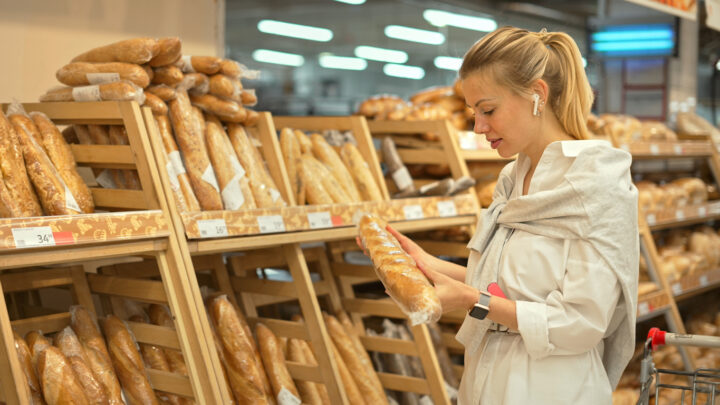
This isn’t a new pattern at all. In earlier centuries, the type of bread you ate was directly tied to your social class. White bread was seen as refined and was eaten by wealthier people, while darker, rougher bread was more common among the poor. It was one of the clearest everyday signals of status you could find at the time.
That old divide hasn’t disappeared, it’s just changed shape. Instead of white versus brown, it’s now supermarket versus artisan, processed versus handcrafted. The labels are different, but the idea is still there underneath, just expressed in a more modern way that fits how people shop today.
Convenience vs “experience” is a big dividing line.
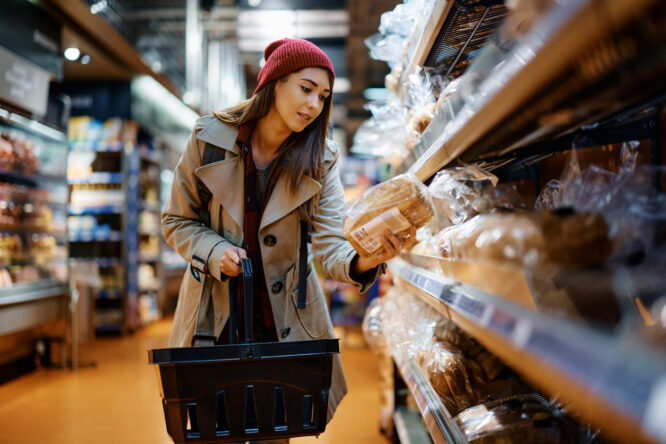
For some people, bread is just something you grab without thinking. For others, it’s part of a routine, choosing a specific loaf or even a particular shop. That gap says a lot about lifestyle and priorities, especially when you look at how much time people are able to spend on everyday tasks like shopping.
Convenience tends to matter more when time and money are limited. When people have more flexibility, food becomes something they pay more attention to and even enjoy as part of their day. Bread ends up being a simple but clear example of that difference in everyday life, showing how routines can vary depending on circumstances.
Even where you buy your bread says something.
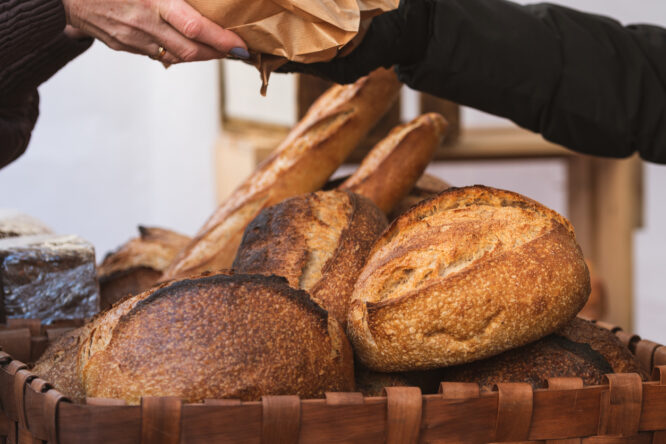
There’s a noticeable difference between picking up a loaf in a supermarket and going to an independent bakery. One is about ease and cost, the other leans toward quality or supporting local businesses. It might seem like a small decision, but it reflects how people think about spending their money.
Smaller bakeries often can’t compete with big chains on price, which means buying from them usually requires a bit more intention and a bit more spare cash. It’s another way class shows up without being obvious, especially when these choices become part of someone’s regular routine.
“Healthy eating” plays into class more than people admit.
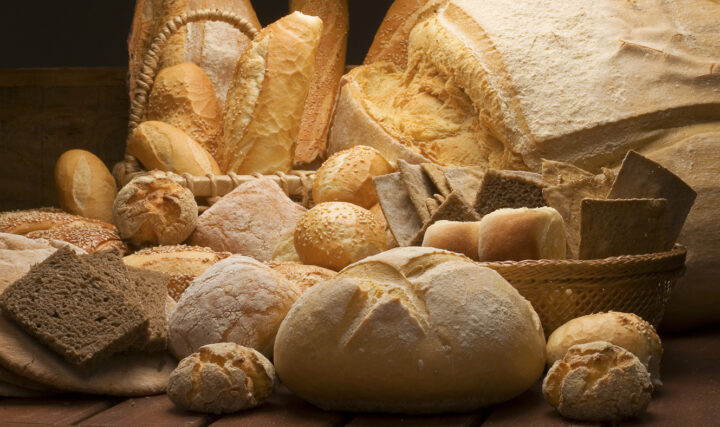
There’s a strong link between bread choice and how people think about health. Wholegrain, seeded, and sourdough loaves are often seen as better options, which appeals to people already focused on nutrition. Taste matters, but feeling like you’re doing something positive for yourself goes a long way, too.
That awareness isn’t spread evenly. People with higher incomes often have more access to information, time, and options when it comes to food, which shapes what they buy. Bread becomes part of that bigger pattern rather than just a small choice, reflecting wider differences in lifestyle and priorities.
Trends like “real bread” highlight the divide even more.
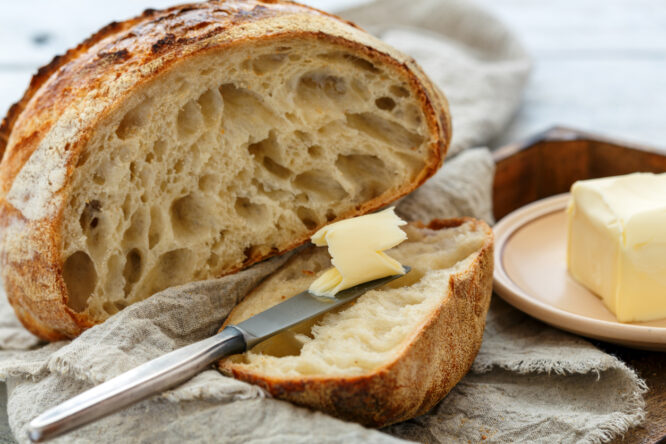
There’s been a growing push toward less processed, more traditional bread in the UK. It sounds like a simple improvement, but it often comes with a higher price and isn’t always easy to find, depending on where you live. That alone can limit who actually takes part in these trends.
This creates a gap where some people can follow these trends while others can’t. Access and affordability matters more than taste these days, which keeps the divide in place. In the long run, these small differences build into a wider picture of who gets to choose and who doesn’t.
Your bread choice isn’t a fixed label, but the patterns are real.
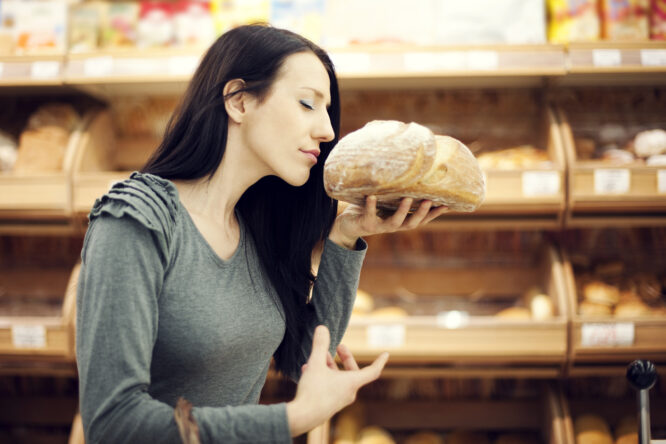
None of this is set in stone. Plenty of people mix things up, buying whatever suits their week, their budget, or what’s on offer. Most people aren’t thinking about class when they grab a loaf, and that’s part of what makes it interesting.
Still, when you step back and look at it properly, the patterns are clear. Bread reflects income, habits, priorities, and lifestyle in small ways. It’s one of those everyday things that ends up saying more about Britain than you’d expect, especially when you start noticing how consistent those choices can be.