Alcohol habits can sneak up on people. What starts as something casual or social can slowly turn into a coping mechanism without you even realising it. It’s not always about drinking daily or getting blackout drunk; sometimes the red flags are smaller, quieter, and easier to brush off. If any of these signs feel familiar, it doesn’t necessarily mean you have a problem, but it might be worth having a closer look.
1. You plan your social life around drinking.
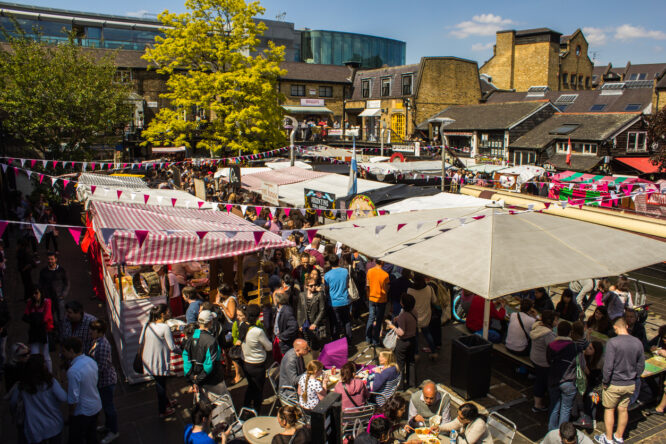
If most of your plans involve pubs, bottomless brunches, or making sure there’s alcohol available, that’s a sign drinking has taken a front seat. It doesn’t always mean you’re drinking excessively—it just means alcohol is starting to shape how you spend your time. When fun starts to feel dependent on whether a drink is involved, it can quietly crowd out other activities that used to bring joy or connection without it.
2. You feel awkward at events where alcohol isn’t present.
Social discomfort is normal sometimes, but if you feel tense, bored, or out of place at alcohol-free gatherings, it could point to a deeper dependency. You might not feel like “yourself” without a drink in your hand. This might be emotional reliance rather than physical, but it still matters. If alcohol has become your go-to confidence booster or social crutch, it’s worth unpacking why.
3. You use alcohol to wind down every night.
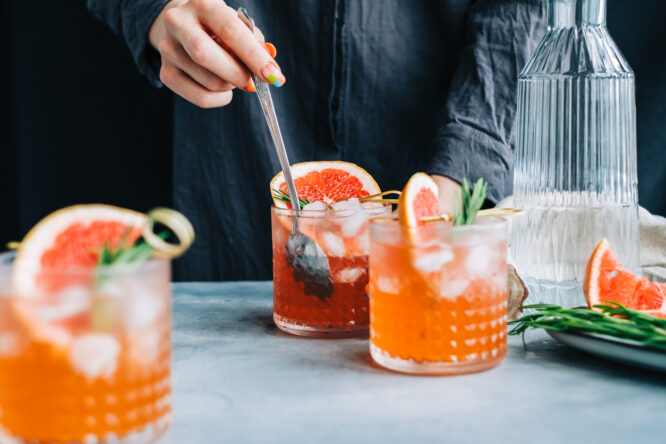
Having a glass of wine after work might feel harmless, but when it becomes a nightly need just to relax, that’s something to notice. Especially if you find it hard to unwind without it. This kind of routine use can slowly turn into emotional dependency, where your brain starts to rely on alcohol as the only route to calm or comfort.
 Source: Unsplash
 4. You drink faster than everyone else.
Finishing your drink way ahead of other people might seem like a small thing, but it can signal a stronger focus on the alcohol itself rather than the experience around it. If you often find yourself topping up quickly, ordering more when other people are still sipping, or feeling restless waiting for another round, it might show a growing urgency or restlessness around drinking.
5. You justify drinking even when you know it’s not ideal.
“I’ve had a long day,” “It’s the weekend,” “I deserve it”—these are common thoughts people use to rationalise drinking, even when it’s frequent or not sitting well. If you catch yourself constantly needing to explain your reasons to drink (even just in your own head), it’s a sign that part of you already senses it’s becoming more than just a treat.
6. You joke about how much you drink to avoid concern.
Using humour to brush off comments like “Wow, another round?” or “Didn’t you drink last night too?” is a common defence mechanism. Laughing it off can be easier than actually reflecting on it. However, those little jokes can start masking bigger patterns. If you’re constantly playing the “wine lover” or “party animal” role, ask yourself if it’s really just a bit of fun—or something more protective.

7. You feel irritable or restless when you’re not drinking.
If you’re feeling on edge, bored, or unusually tense on nights without alcohol, it could mean your body or mind is starting to miss it more than you realised. This isn’t always full-blown withdrawal—it can just be a sign that you’ve got used to alcohol filling a certain role in your evenings, and now you’re left trying to figure out how to replace it.
8. You’ve blacked out or forgotten parts of a night more than once.
Even if you’re not drinking daily, regular blackouts or memory gaps are a clear warning sign. It means your brain is being overwhelmed by alcohol, even if you “feel fine” at the time. It’s easy to normalise this in some social circles, but it’s actually one of the more serious signs your body is having trouble coping with your drinking habits.
9. You get defensive when someone comments on your drinking.
Feeling annoyed, judged, or instantly defensive when someone questions how much or how often you drink is worth noting. That response is often a sign there’s already internal discomfort. Most of us don’t like being told what to do—but if your first instinct is to shut it down or get snappy, it might be hitting a nerve for a reason.
10. You’ve set rules for yourself that you often break.
If you’ve ever said “just one drink tonight” or “I’m only drinking on weekends now” but find yourself slipping, that’s more than just a willpower thing. It shows that control around alcohol isn’t as strong as you want it to be. These broken rules often signal that alcohol’s grip is tightening, even if it’s not dramatic or obvious to other people yet.

Even a short break, like a dry month or a few alcohol-free weekends, might feel off-limits or unappealing. That resistance often reveals more than we think. If the idea of not drinking feels boring, scary, or like “missing out,” it suggests alcohol might be filling gaps that go deeper than habit or preference.
12. You regularly drink to cope with emotions.
If stress, sadness, loneliness, or frustration almost always lead to a drink, that’s a form of emotional coping. Alcohol becomes a plaster, even if it doesn’t feel dramatic at the time. The danger is that the root of the emotion doesn’t get addressed—it just gets numbed. And over time, that pattern can make it harder to manage hard feelings without reaching for a bottle.
13. You’ve started hiding how much you’re drinking.
Whether it’s pouring a little extra before other people arrive or not mentioning that you already had a few before going out, hiding drinking is a major red flag, even if it’s subtle. Once secrecy enters the picture, it’s usually because part of you already feels like something’s off. And that’s a sign worth listening to.