Chocolate bars, cheese snacks, toilet rolls, boxes of teabags…

It feels like practically everything on the supermarket shelves is trimming down its weight while the price on the shelf edge stays stubbornly identical or stubbornly creeps up. Pull an old cardboard packet out of the back of the garage or compare an old biscuit tin to the flimsy plastic tray sitting in your kitchen cupboard today, and the difference is often obvious, and a bit annoying.
It’s easy to brush off when it’s just a single chocolate bar missing a chunk or a bag of crisps carrying a bit more fresh air than potato. Once you start spotting it across dozens of weekly staples all at once, though, it stops feeling like bad luck and starts looking like what it actually is: shrinkflation. Manufacturers bank on the fact that shoppers notice a price hike on the shelf far faster than they register losing 20 grams off the bottom of a cereal box. It’s a stealthy trick to protect profit margins, leaving all of us paying the same hard-earned cash for noticeably less in our trolleys.
QR code menus have taken over far too many restaurants

What started as a handy pandemic era workaround has somehow become permanent in a huge number of cafes and restaurants, forcing everyone to fumble with their phone camera before they can even see what’s on offer. It’s slower, more fiddly, and excludes anyone without a smartphone or decent signal.
There’s something particularly frustrating about queuing up, finally reaching the counter, and only then discovering you’re expected to scan a code rather than just glance at a printed menu like every generation before us managed just fine.
Self-checkout apps expire before you can use the credit

Whether it’s a launderette, a car park or a vending machine, more and more everyday services now require downloading a separate app just to pay. Inevitably, that app gets replaced or discontinued a few months later, leaving you with a small, unusable balance stuck in digital limbo. It’s a minor annoyance on its own, but multiply it across every app you’ve been forced to download for a one-off payment, and it adds up to an irritating pattern of modern life.
Adverts have crept into places that used to feel exempt.

Pausing a film to actually look at something on screen now often triggers an ad popping up out of nowhere, completely blocking the view you were trying to get a closer look at in the first place. It’s a frustrating example of advertising creeping somewhere it really has no business being. Streaming services were originally meant to be the ad-free alternative to normal telly, so watching that promise slowly erode feels like a particularly cheeky bit of scope creep.
Free returns suddenly aren’t free at all.
A growing number of online retailers now charge a small fee just to unlock the option of a free return, which is a baffling bit of logic once you actually stop and think about it. Paying money to access something described as free defeats the entire point of the word. It’s the kind of pricing trick that only really works if nobody reads the fine print closely, and once you notice it, it’s very hard to unsee.
Restaurant portions have got noticeably smaller.

Whether it’s a burger, a sandwich or a portion of chips, plenty of people have noticed meals out simply don’t stack up the way they used to for a similar price. It’s not just in your head either, since rising ingredient and running costs have pushed a lot of places to quietly serve less rather than raise prices outright. Eating out used to feel like a reliable treat, and while it’s certainly not disappeared, there’s a growing sense that the value simply isn’t what it once was.
Meat and fish packaging hides extra water weight.
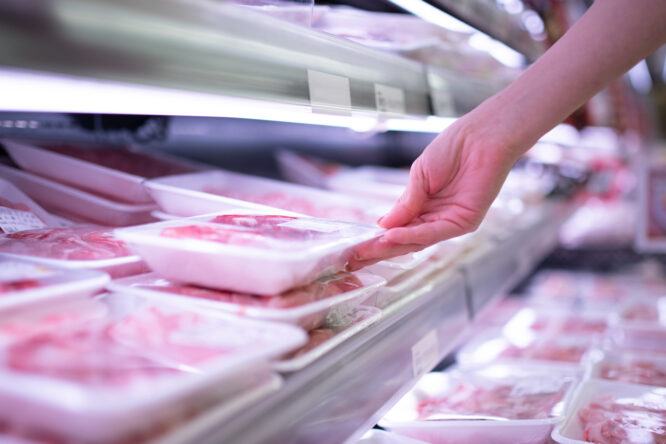
Some packaged meat products have increased how much water gets retained during processing, meaning you’re paying for weight that isn’t actually meat at all. It’s the kind of change that’s technically disclosed somewhere in tiny print, but easy to miss unless you’re actively looking for it. It’s a reminder that reading labels properly, rather than just glancing at the front of the pack, has become a genuinely useful habit rather than an overly cautious one.
Products rebranded to dodge proper regulations.
Certain sweet treats and snacks have quietly swapped their ingredients over the years, often replacing pricier ingredients with cheaper alternatives. Once that happens, they sometimes no longer legally qualify to be labelled the way they used to, leading to some genuinely odd rebranding on packaging. It’s a small wording change most people would never clock, but once you know to look for it, it says a lot about how ingredients have changed behind the scenes.
Household appliances demand you download an account first.

Setting up a new TV or a smart appliance increasingly means creating an account with the retailer or manufacturer before you can actually use the thing you just bought. What used to be a simple plug in and go experience now often comes with an extra login screen and a QR code standing between you and actually watching anything. It’s a small step, but it adds an unnecessary layer of friction to something that should be straightforward, and it means handing over yet another email address just to use a product you already own.
Sweet treats seem to shrink every single year.

Chocolate bars, boxes of biscuits and sweet selection tins all seem to get that little bit smaller with each passing year, even when the packaging design barely changes. It’s often only obvious when you compare an old box against a new one side by side. Since these are exactly the kind of treats people buy out of habit without checking the weight every time, it’s one of the easier places for shrinkflation to slip through almost completely unnoticed.
If any of this sounds familiar, you’re definitely not imagining it. It’s worth keeping half an eye on pack sizes and pricing next time you’re doing your usual shop, since a lot of these changes are easy to miss until you’re specifically looking for them.