This summer’s relentless heatwaves might feel like an unlucky fluke.

However, fresh data suggests they’re a clear taste of what’s heading for Britain’s urban centres in the decades ahead. With high temperatures breaking records and old Victorian terraces turning into ovens, managing stifling heat inside built-up areas is rapidly becoming an everyday reality rather than a rare summer oddity.
A detailed analysis from Ordnance Survey has mapped out the country’s thermal hotspots, pinpointing precisely which towns and cities’re facing the steepest danger from serious overheating. Thanks to the urban heat island effect, heavy expanses of tarmac, dark roofs, and towering concrete absorb heat all day and release it straight back into the night air.
The findings paint a sobering picture for anywhere with wall-to-wall paving and a shortage of parks and street trees, highlighting just how fast our urban landscapes need to adapt if we want them to remain liveable when temperatures soar.
How researchers measured the risk

To build its new heat vulnerability index, Ordnance Survey looked at a wide mix of factors across every city in England, Scotland, and Wales, including how densely packed buildings are, how tall they tend to be, how much hard surface covers the ground, and how much tree cover and open vegetation exists nearby. All of this was combined with actual recorded land temperatures and Met Office projections for future warming.
The findings paint a concerning picture. The vast majority of British cities are already considered highly vulnerable to urban heat right now, with the rest sitting in a moderately vulnerable category. By 2040, every single city is projected to have crossed into the high vulnerability bracket, regardless of where it currently sits, and by the end of the century, well over half are expected to reach the most serious level on the index entirely.
Why cities heat up so much more than the countryside

Much of this comes down to what’s known as the urban heat island effect, where cities hold onto far more heat than surrounding rural areas. While the countryside cools down fairly quickly once the sun sets, cities tend to keep that same heat trapped overnight, which can push urban temperatures considerably higher than nearby rural spots even after dark.
According to experts in urban resilience, this isn’t just about air temperature in isolation, it’s directly tied to the materials cities are built from. Streets, roofs, and buildings made from hard, dark surfaces absorb heat during the day rather than releasing it, while glass fronted buildings reflect heat straight back out into the surrounding area rather than letting it escape upward.
Densely packed buildings make the problem worse.
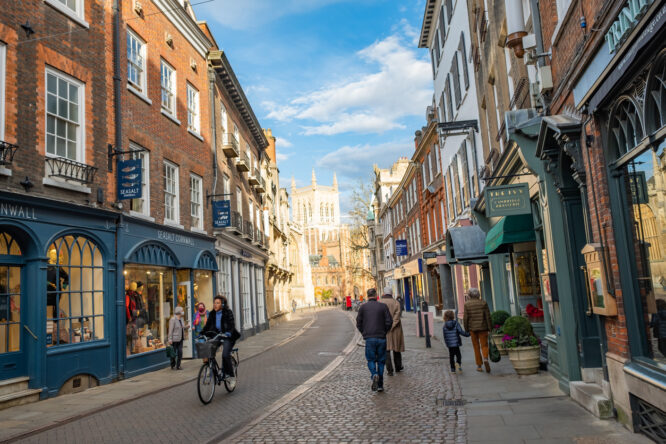
The tighter and taller a city’s buildings are, the worse this effect tends to become. Narrow streets and closely packed high rises reduce airflow that would otherwise help carry heat away, effectively trapping warmth at street level rather than letting it disperse naturally.
Academics studying sustainable city design point to a broader planning issue here too, since British cities have historically never really been designed with overheating in mind, largely because it simply wasn’t considered a major concern until fairly recently. That’s left many urban areas filled with heat absorbing materials like concrete and asphalt, which warm up in daylight and continue radiating that heat back out long after the sun has gone down.
Green and blue spaces are incredibly vital for cooling.

On the flip side, cities with plenty of parks, trees, rivers, and other water sources tend to cope far better, since these natural features effectively act as a city’s lungs, helping ventilate and cool the surrounding area. The more space a city dedicates to buildings and roads, though, the less room is left for this kind of natural cooling infrastructure.
Standing beneath tree canopy cover can feel noticeably cooler, sometimes by ten degrees or more, compared with open, exposed areas nearby. Swapping hard surfaces like asphalt for grass or shrubs can lower surface temperatures significantly too, while rivers and other water sources help cool the surrounding air through natural evaporation, something that’s often lost when waterways get built over or diverted underground within cities.
Everyday habits are adding to the problem.

Beyond building materials and layout, everyday human activity adds another layer of heat on top of all this. Cars, trains and increasingly air conditioning units all contribute, with air conditioning creating a particularly awkward double effect: it pumps heat from inside buildings straight back out into the surrounding streets, while also releasing gases that further intensify the wider heat island effect.
Altogether, these factors create something close to a feedback loop, where cities absorb heat, store it, and struggle to properly release it again, which is a big part of why urban areas keep getting hotter rather than levelling off naturally over time.
Which UK cities are most at risk right now?
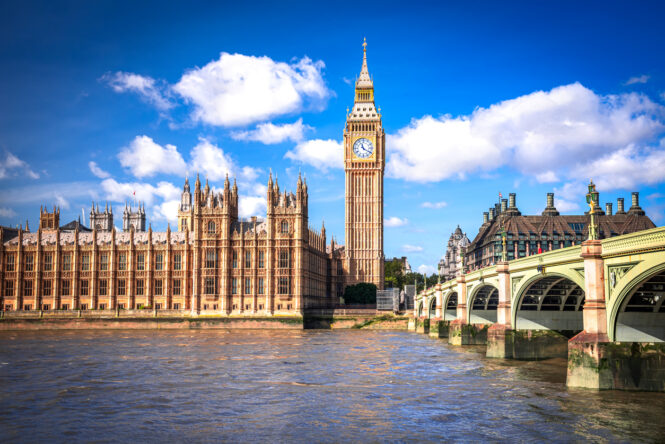
According to the current index, Portsmouth currently sits at the top of the vulnerability rankings, followed by Carlisle, Westminster, Newcastle, and Plymouth. Looking further ahead toward the medium and long term, cities like Leicester, Exeter, Nottingham, Brighton, and Bristol are all projected to see some of the sharpest increases in heat vulnerability, with Leicester in particular expected to climb dramatically up the rankings by the end of the century.
Somewhat surprisingly, London itself isn’t the single worst affected city overall, though areas within it, including Westminster, do still feature prominently near the top of the rankings both now and in future projections.
Which cities are coping the best right now?

At the other end of the scale, Milton Keynes currently ranks as the city with the strongest natural cooling capacity, followed by St Asaph, Durham, and a tie between Dunfermline and St Davids. Truro, Swansea, Bangor, Ripon, Peterborough, and Inverness round out the rest of the list of cities coping comparatively well for now.
Even these better placed cities aren’t fully in the clear long term though, since every single British city is projected to reach high vulnerability status within the next couple of decades, regardless of how well positioned they currently are.
More can and should be done to cool cities down.
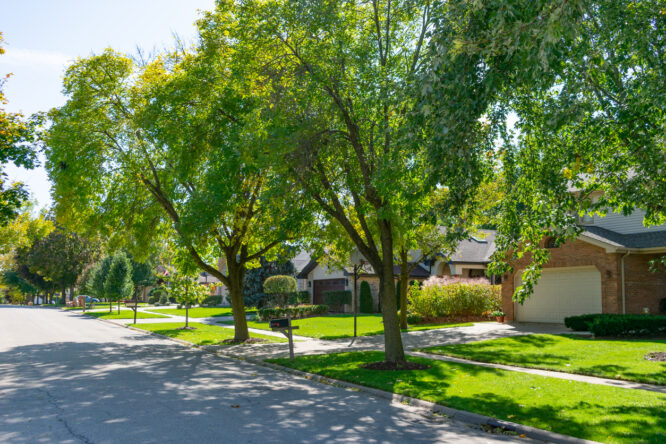
There are practical steps being explored elsewhere in Europe worth learning from. In the Netherlands, some cities now offer payment to residents who replace paved areas with planting instead, whether that’s swapping a paved courtyard for a community garden or planting a small cluster of fruit trees. It’s an approach that reduces heat retaining surfaces while directly involving local communities in the process.
For existing buildings, experts recommend prioritising passive cooling measures before turning to energy intensive air conditioning, things like external shading, awnings, shutters or simply more trees positioned to shade windows. For new developments, designing with overheating in mind from the very start, rather than trying to retrofit a fix afterwards, is considered far more effective long term.
Designated cooling spaces could become part of city life.

Looking toward hotter countries for inspiration, some experts suggest UK cities may eventually need dedicated cooling spaces within neighbourhoods, indoor or outdoor areas specifically designed to offer relief during a heatwave through a combination of shade, vegetation, water features or air conditioning. It’s already a fairly established concept in parts of southern Europe, and one that could become increasingly relevant here too.
Given how many people live and work in cities, the consequences of ignoring this issue reach far beyond simple discomfort, affecting public health, how liveable homes and workplaces feel, and placing real strain on transport, energy and emergency services during periods of extreme heat.
Given how quickly this risk is expected to grow, even in cities currently considered well protected, it’s clear this isn’t a problem that can wait until the next heatwave to address, and the steps taken now around building design and green space will likely shape how comfortable British cities remain for decades to come.