Car insurance is one of those bills most of us just sort once a year, grumble about the price, and then shove the paperwork in a drawer without reading it.

You tick the boxes on a comparison site, pick the cheapest quote that looks reasonable, and hope you never have to think about it again. The trouble starts when someone dents your bumper in a supermarket car park, and you’re suddenly forced to read the policy documents. Insurers love jargon that nobody ever uses in normal conversation, making it far too easy to assume you’re covered for something when you’re actually not.
It’s usually only when you need to make a claim that you find out what those bizarre phrases mean, and by then it’s too late. These are some of the more confusing terms you’ll run into, so you don’t get caught out with a nasty bill down the line.
Act of God: the term for damage nobody could have predicted
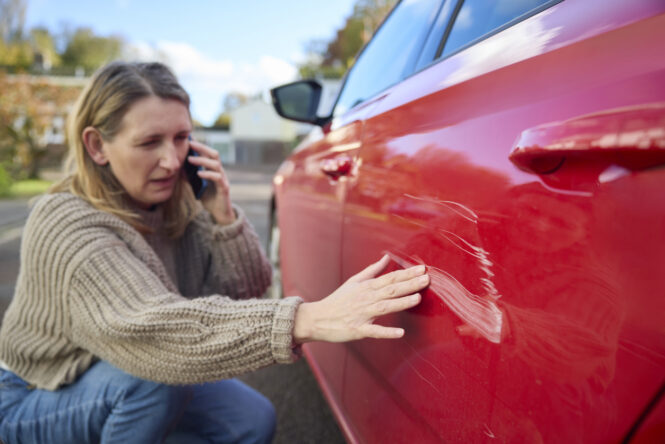
This refers to something that causes damage but truly couldn’t have been predicted or avoided, like a tree falling on your car during a storm. It’s a fairly old-fashioned term these days, so you’re unlikely to spot it written out in a modern policy. Rather than looking for this exact phrase, check the specific wording your insurer uses around weather, natural events and other things outside your control, since that’s what will actually determine whether you can claim.
Black box insurance: how your driving affects your premium

This is a type of policy where a small device gets fitted to your car to track how you drive, feeding that information straight back to your insurer. It’s sometimes called telematics insurance, and the idea is simple: drive safely, and your premiums could come down at renewal.
The device tracks things like your speed, braking, how you handle corners, and what time of day you tend to drive, all of which feed into an overall score. It’s generally aimed at younger drivers, with some insurers only offering it to those under 25, though it’s increasingly worth considering if you’re a new driver of any age or getting back behind the wheel after a long break.
Classic car: what actually counts for insurance purposes

When most people hear classic car, they picture something vintage and glamorous, but the insurance definition is a bit more specific. To count, a car generally needs to be over 15 years old, have covered under 5,000 miles, be kept in excellent condition, and be used only as a second car rather than daily transport.
That means a car from the early 2000s could technically qualify, provided it ticks all the right boxes. Insurance on a classic car tends to be noticeably cheaper than standard cover, though you’ll usually need to keep it garaged and drive it sparingly to actually get the best rates.
Comprehensive car insurance: the broadest level of cover

This is the highest level of standard cover available, and it typically protects you fairly broadly. It generally covers damage to your car or someone else’s regardless of who caused the accident, injuries to yourself or another person, fire damage, malicious or accidental damage, and theft, including damage caused during an attempted theft. Find out exactly what’s included with your specific provider, since coverage can still vary a bit between comprehensive policies depending on the insurer.
Courtesy car: what happens while yours is off the road

Some policies include a courtesy car as standard, while others offer it as an optional extra. If your car ends up off the road after an accident, this gives you access to a replacement vehicle to use in the meantime. The courtesy car is covered under your existing policy, so there’s no need to arrange separate insurance for it, and you can generally use it until your own car is fixed and back on the road.
DVLA: the organisation behind your licence and registration

The DVLA, short for the Driver and Vehicle Licensing Agency, is the organisation responsible for keeping records of drivers and vehicles across Great Britain. Whenever you apply for or renew a licence, or register a vehicle, it’s handled through the DVLA. In Northern Ireland, this same role is handled by a separate organisation called the Driver and Vehicle Agency instead, so it’s worth knowing which applies depending on where you’re based.
Excess: what you’ll pay towards any claim

Whenever you make a claim, you’ll need to contribute a set amount toward it yourself, known as the excess, regardless of who was at fault. There are two types you need to understand here: compulsory and voluntary.
The compulsory excess is fixed by your insurer based on factors like your driving history and vehicle, and it can’t be changed. A voluntary excess is an additional amount you choose to add on top, and agreeing to a higher voluntary excess usually brings your overall premium down, though it also means paying more out of pocket if you do need to claim.
Market value: how your payout gets calculated

This refers to what your car could realistically be sold for at a dealership, taking into account its age, mileage, condition, and model. If your car is written off, this is the figure your insurer will use to work out how much compensation you’re owed. It’s based on the value your car had just before the accident or damage occurred, rather than what you originally paid for it, which can sometimes come as a surprise to drivers expecting a higher payout.
Mileage: why the miles you drive affect your premium

This simply refers to the total number of miles your car has covered, which you can usually check through service records or its MOT history. It plays a bigger role in your premium than a lot of people realise. Generally speaking, higher annual mileage tends to push your premium up, since spending more time on the road statistically increases the chances of being involved in an accident.
No-claims bonus: the reward for staying claim-free

If you go a certain length of time without making a claim, your insurer will usually reward you with a discount at renewal, known as a no-claims bonus. It works in a similar way to black box insurance, essentially rewarding safer driving over time. You can also choose to protect this bonus as an added extra, which means you’ll keep some or all of your discount even if you do end up needing to make a claim during the policy period.
Premium: what you’re actually paying for cover

Your premium is simply the cost of your insurance policy, calculated mainly from factors like your car, your driving history, and your personal circumstances. There are quite a few small ways to bring this cost down, so it’s a good idea to shop around and reviewing your policy each year rather than automatically renewing. Paying annually rather than monthly can also work out cheaper overall, since spreading payments across the year often comes with added interest built into the cost.
SORN: what it means to take a car off the road

SORN stands for Statutory Off Road Notification, and it applies to any vehicle you don’t intend to drive and don’t keep on a public road. Registering a vehicle as SORN means you won’t need to pay tax or insurance on it while it’s off the road. If you’ve already paid tax in advance, you can usually get a refund for any remaining months once the SORN is registered, making it a useful option if a car’s going to be sitting unused for a while.
Third-party car insurance: the most basic level of cover

This is the most basic level of cover available, sitting below comprehensive insurance. It covers damage to other vehicles and any injury claims made against you if you were at fault, and depending on the policy, it may also cover some property damage. What it doesn’t cover is damage to your own car if the accident was your fault, or protection if your car is stolen or damaged in other ways, which is important to keep in mind if you’re choosing between cover levels.
Write-off: when your car costs more to fix than it’s worth

A write-off happens when the cost of repairing your car would be more than the car is actually worth, according to your insurer’s assessment. It’s consistently one of the most searched car insurance terms in the UK, likely because it’s such a significant moment in any claim. When a car is written off, ownership typically transfers to the insurance provider, who compensates you based on the car’s market value before deciding what happens to the vehicle next, whether that’s scrapping it or selling on any usable parts.
Getting familiar with these terms before you actually need to make a claim can save a lot of confusion and frustration further down the line, so make sure you give your policy a good read through rather than filing it away unread after renewal.