As beaches across the UK start filling up again, lifeboat crews, coastguards, and water safety charities are already warning people not to underestimate the sea.

Every summer brings stories of swimmers getting caught in rip currents, paddleboarders drifting too far from shore, and people being caught out by changing tides or heat exhaustion. A lot of seaside accidents happen on perfectly normal-looking days, which is why safety experts keep repeating the same message every year. The sea can change very quickly, even when it looks calm from the beach.
Always check for rip current warnings before going into the water.
Rip currents remain one of the biggest dangers around UK beaches, especially during warm weather when more people head into the sea. They’re powerful channels of water that pull swimmers away from shore surprisingly fast, and they can appear even when the sea looks calm from the sand.
Beach lifeguards and the RNLI constantly warn people to swim between the red and yellow flags where possible because those areas are actively monitored. If you do get caught in a rip current, the advice is not to fight directly against it. Float, stay calm, and swim parallel to the shore until you escape the current before heading back in.
Don’t underestimate cold water shock.
One thing that catches people out every year is how cold British waters still are, even during heatwaves. The air temperature might feel tropical, but the sea can still trigger cold water shock when you jump in suddenly. That sudden gasp reflex can cause panic, breathing problems, and exhaustion very quickly.
Safety experts recommend entering the water gradually instead of diving straight in, especially if you’ve been sunbathing or exercising beforehand. Cold water shock affects strong swimmers as well as inexperienced ones, which is why so many rescue callouts happen on warm summer days.
Inflatables are far riskier than people think.

Every summer, coastguards warn about inflatable lilos, unicorns, and cheap air mattresses drifting out to sea with people still on them. A light offshore breeze can move inflatables away from shore far faster than people realise, especially when currents are involved.
What starts as a bit of fun close to the beach can quickly turn serious once somebody can’t paddle back. Inflatable toys are designed for pools and calm water, not open sea conditions. Lifeboat crews repeatedly advise people not to rely on them in the ocean at all.
Check tide times before setting up on the beach.

Tides catch people out constantly around the UK coastline. Families often arrive at a beach, spread out towels and picnic gear, and then realise a few hours later that the tide has cut off their route back across rocks or coastal paths.
Some beaches and coves can become surprisingly dangerous once the tide turns, particularly around cliffs or isolated areas. Checking tide times before visiting might sound boring, but it prevents a huge number of avoidable coastguard rescues every year.
Be careful around cliffs and coastal edges.

Coastal erosion has become a growing concern in parts of the UK, with cliffs collapsing unexpectedly even during dry weather. Large sections can give way with very little warning, especially after heavy rain or long periods of erosion from waves.
Experts recommend staying well back from cliff edges and avoiding sitting directly underneath unstable cliffs on the beach. Cracks aren’t always visible beforehand, which is why coastguards regularly warn visitors not to treat cliff edges like viewing platforms.
Strong sun and sea breezes can be a dangerous mix.

One reason people get badly sunburnt at the seaside is because sea breezes stop them noticing how hot they’re actually getting. The wind makes conditions feel cooler while UV levels remain extremely high, especially during midday hours.
Heat exhaustion and dehydration are becoming bigger concerns during hotter UK summers, too. Safety experts recommend drinking water regularly throughout the day rather than waiting until you already feel thirsty, particularly for children and older adults spending long periods on the beach.
Never ignore beach warning flags.
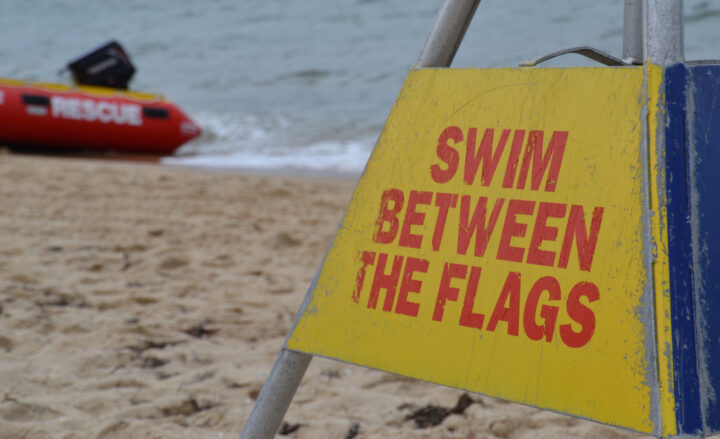
Those coloured flags on beaches aren’t just decoration. They’re there because lifeguards are actively monitoring sea conditions, currents, waves, and hazards in real time. Red flags mean conditions are considered dangerous enough that nobody should enter the water.
Ignoring warnings because the sea “doesn’t look that bad” is something rescue crews say they deal with constantly. Conditions can change rapidly depending on tides, underwater currents, and weather further offshore that people standing on the sand can’t easily see.
Paddleboards and kayaks need extra care in windy weather.
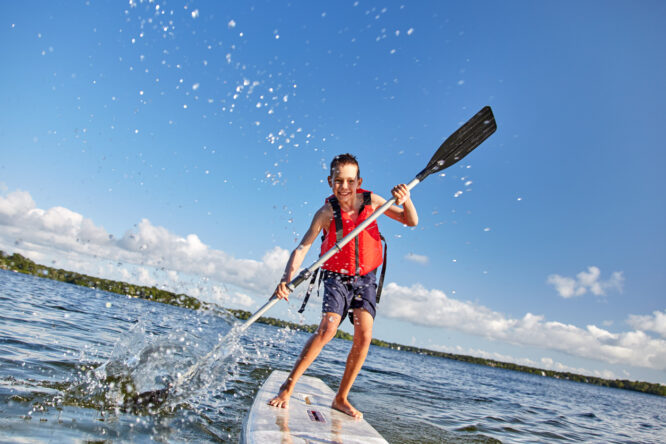
Stand-up paddleboards and inflatable kayaks have exploded in popularity over the last few summers, but rescue teams say many people still massively underestimate how quickly they can drift offshore. Offshore winds can carry lightweight boards huge distances in surprisingly short periods of time.
People using paddleboards should ideally wear buoyancy aids, carry phones in waterproof pouches, and avoid heading out alone. Even experienced users can struggle if conditions suddenly change or equipment fails far from shore.
Alcohol and open water are a terrible combination.

Warm weather, beach bars, and holiday mood can make people far more relaxed around water than they normally would be. Rescue organisations repeatedly warn that alcohol plays a role in many seaside accidents because it affects judgement, balance, coordination, and body temperature.
Swimming after drinking also increases the risk of panic and exhaustion in cold water. Even walking near rocks, harbours, or sea walls becomes much more dangerous after alcohol, especially late in the evening when tides and visibility start changing.
If you get into trouble, float first.

One of the biggest modern water safety campaigns in the UK is the RNLI’s float-to-live advice. The idea is simple but important. If you find yourself struggling in the water, don’t thrash around trying to swim immediately.
Instead, float on your back, spread your arms and legs, and try to control your breathing until the initial panic passes. Many people exhaust themselves within minutes by fighting the water too aggressively. Floating first gives your body time to recover and massively improves survival chances in an emergency.