Dementia is a health condition that feels completely outside our control, but research over the last decade has been painting a more hopeful picture.
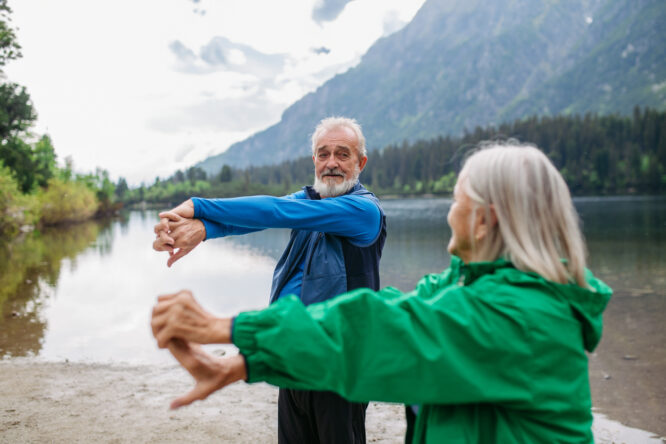
One of the most powerful tools for both reducing the risk of dementia and helping people who already live with it costs nothing, requires no prescription and is available to almost everyone. It’s regular physical activity. Here’s what the research is showing about why exercise matters so much for brain health, and how to actually put it into practice.
Exercise can great reduce your chance of developing dementia.
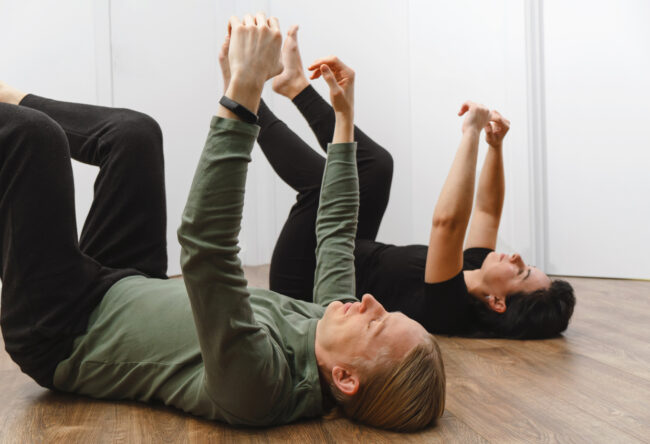
A growing body of research suggests that staying physically active throughout life can meaningfully lower your risk of developing dementia. One large analysis combining 58 separate studies found that people who took regular exercise were up to 20% less likely to develop dementia than those who didn’t. More recent studies have pushed those numbers further, with some suggesting that being active in mid and later life could cut dementia risk by as much as 40 to 45%.
These aren’t tiny tweaks. They’re some of the largest preventable risk factors we know of when it comes to dementia, sitting alongside things like blood pressure, smoking and hearing loss. The good news is that, unlike some risk factors, exercise is something most people can do something about, regardless of age or income.
How exercise actually changes the brain
Physical activity does more than just keep your body fit—it physically changes the brain. Regular exercise has been shown to increase the size of the hippocampus, which is the part of the brain responsible for memory and one of the first areas affected by Alzheimer’s disease. In one study, a year of regular aerobic exercise was shown to grow the hippocampus enough to effectively reverse one to two years of age-related shrinkage.
Exercise also seems to protect brain function even in people who have early signs of Alzheimer’s, like build-up of certain proteins or some brain shrinkage. People who’ve been active throughout their lives tend to maintain their memory and thinking skills for longer, even when their brain scans show changes that would normally suggest decline. The benefits seem to be particularly strong for women, although both men and women see real protective effects.
Midlife is the most important time to be active.

Although exercise helps at any age, research consistently shows that the years from your 40s to your mid-60s seem to matter most. Being active in midlife builds up what scientists call a “cognitive reserve,” which is essentially a bigger, stronger brain network that can keep working even if some areas start to falter later. Think of it as putting a bit of effort into the brain bank now, with interest paying out in your seventies and beyond.
That doesn’t mean it’s too late to start if you’re already in your 70s or 80s, though. Studies have found that becoming active later in life still reduces dementia risk significantly compared to staying sedentary. The biggest jump in benefit comes from going from doing nothing to doing something, even something gentle. The earlier you start, though, the bigger the overall payoff is likely to be.
Exercise also does a lot for people already living with dementia.

For those who’ve already received a dementia diagnosis, exercise still offers real benefits, even though it doesn’t currently slow or prevent the disease from progressing. Regular physical activity has been shown to improve mood, reduce anxiety and agitation, help with sleep, and support better behaviour and communication. It also helps maintain strength, balance and mobility, which becomes especially important for reducing the risk of falls.
Carers often notice that loved ones with dementia seem brighter, more engaged, and more themselves on days when they’ve been active. Even short walks, gentle stretching or chair-based exercises can make a noticeable difference. The aim isn’t to push people, it’s to find movement that feels enjoyable and manageable, so it becomes part of daily life rather than a chore.
Exercise protects in other ways too.

A lot of the protective effect of exercise comes from how it improves other parts of your overall health. Regular physical activity helps keep blood pressure down, lowers cholesterol, controls blood sugar, and reduces the risk of stroke. All of these things, when left unchecked, can damage the small blood vessels in the brain, which is one of the main causes of vascular dementia and a contributor to many other forms of cognitive decline.
So even when exercise isn’t directly affecting the brain, it’s protecting it indirectly by keeping the cardiovascular system in good shape. The brain uses around 20 per cent of the body’s blood supply, so anything that helps blood flow smoothly through your arteries is good news for your thinking and memory. A healthy heart and healthy arteries quietly do an awful lot to keep a healthy brain.
There are certain types of exercise that seem to help most.

The strongest evidence points to aerobic exercise, the kind that gets your heart rate up and leaves you slightly out of breath. Brisk walking, swimming, cycling, dancing, and gentle jogging all fall into this category and have all been linked with better brain health. The current advice from major health bodies is to aim for around 150 minutes of moderate activity a week, which works out at just over 20 minutes a day.
Strength exercises also seem to help, particularly when combined with aerobic activity. Lifting light weights, gardening, carrying shopping or doing chair-based resistance exercises a couple of times a week can support both physical and mental sharpness. Balance and coordination work, like tai chi, yoga or simple standing exercises, are particularly useful for older adults since they reduce falls and keep the body steady.
How to actually get started

You don’t need a gym membership, expensive trainers or a fancy fitness plan to get the brain-protecting benefits. The best exercise is the one you’ll actually do, ideally several times a week. Walking is one of the most accessible options. It’s free, it’s gentle on the joints, and most people can fit a daily walk into their routine without too much rearranging.
Doing it with someone else makes a huge difference. Walking groups, dance classes, gardening clubs and exercise classes for older adults all turn exercise into a social occasion, which delivers an extra mental health bonus. The NHS website offers loads of free exercise videos including chair-based routines for anyone who can’t manage standing exercises, so you can get started without leaving the front room.
It’s genuinely never too late.

One of the most reassuring findings from recent research is that the brain remains capable of change well into older age. Even people in their seventies and eighties who become more active see real improvements in memory, attention, and mood. The hippocampus can still grow, blood flow to the brain can still improve, and the benefits can show up within a few months of getting started.
So if you’ve been sedentary for years, or you’re caring for someone with dementia who used to be more active, the message is the same. Start small, build up gradually, find something you enjoy, and stick with it. Even ten minutes of gentle movement a day is far better than nothing, and it builds from there. The brain, like the body, responds far better than we used to think it would.