Wildflower tourism is quietly becoming one of the biggest travel trends right now, and it’s easy to see why.
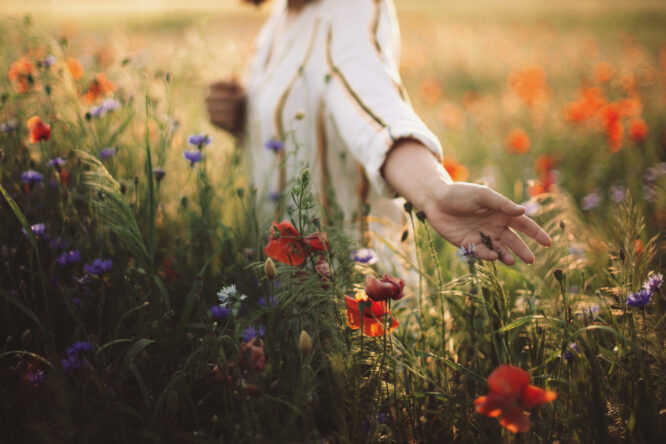
Instead of rushing between cities or ticking off landmarks, more people are planning trips around short-lived natural events, like fields of flowers that only bloom for a few weeks each year. What makes it different is how simple it is. Rather than chasing adrenaline or packed itineraries, you’re just going somewhere at the right time and slowing down enough to enjoy it. Given that more and more people want trips that feel calmer and more meaningful, it’s no wonder this practice is gaining traction.
Why wildflower tourism is suddenly taking off
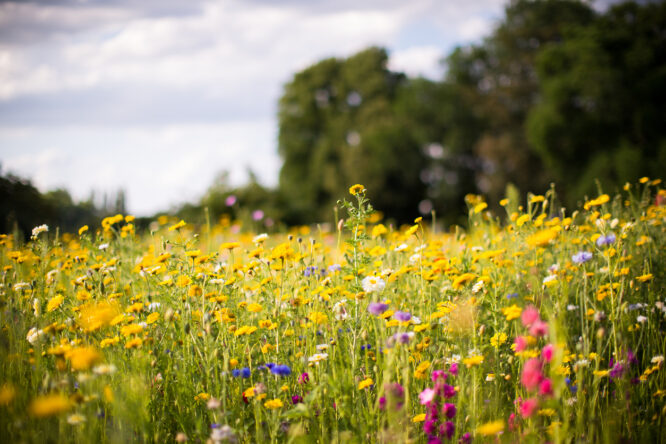
Travel habits have been changing over the past few years. People are moving away from busy, packed holidays and looking for something that feels more relaxed and real. Wildflower tourism fits that perfectly because it’s built around nature doing its thing, not something manufactured.
There’s also a strong social media effect. Bright, colourful landscapes naturally stand out online, which means places with seasonal blooms are getting more attention than ever. At the same time, people are starting to value experiences that feel short and special because you can’t just turn up any time of year and expect to see them.
It’s all about timing, not just location.
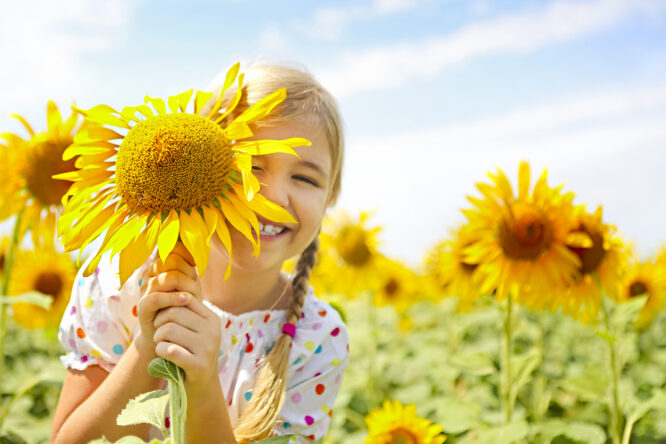
The biggest difference with this kind of travel is that timing matters more than anything else. You could visit the same place a few weeks too early or too late and miss the entire display. That makes it feel a bit more like a gamble, but also part of the appeal.
Because of that, people are planning trips more carefully. Instead of choosing dates first, they’re working around bloom windows, weather patterns, and even rainfall. It turns a simple trip into something that feels more intentional, even if the activity itself is just walking through a field.
The UK is actually one of the best places for it.
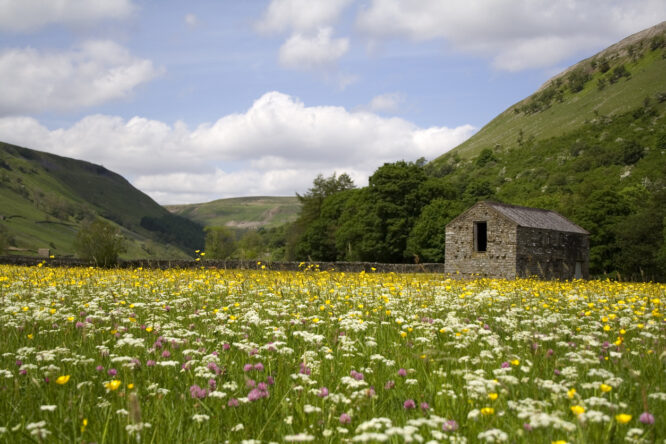
You don’t actually need to travel far to experience this properly. The UK has some of the most underrated wildflower spots, especially in rural areas that don’t always get the same attention as international destinations.
Places like Muker Meadows in the Yorkshire Dales are a good example. These traditional hay meadows come alive in early summer with a mix of rare and colourful flowers, creating a landscape that looks completely different for a few short weeks.
The Outer Hebrides offer something completely different.
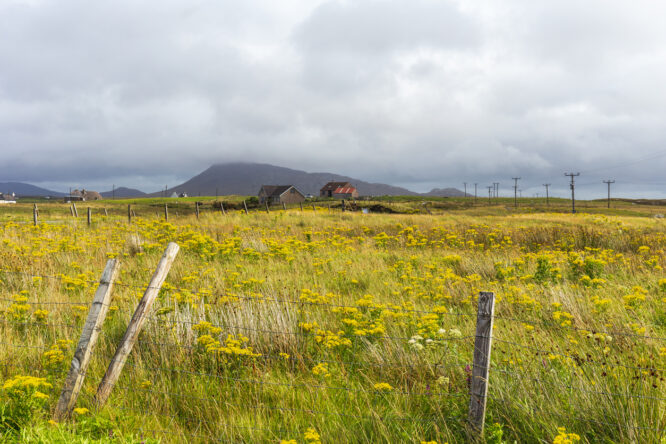
If you want something more dramatic, Scotland’s west coast is hard to beat. The machair landscapes in the Outer Hebrides are known for huge stretches of wildflowers mixed with coastal views, which gives the whole place a very different feel to inland meadows.
What makes it stand out is the mix of wildlife, sea air, and open space. The flowers themselves are lovely, of course, but it’s the setting around them that turns it into more of an experience than just a walk.
Devon and Cornwall are easy wins for summer.
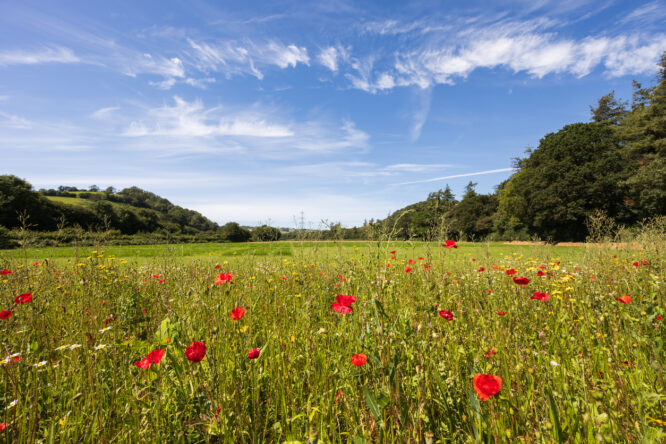
For something more accessible, coastal areas in the south of England are starting to lean into wildflower tourism as well. You’ll find growing meadow projects and natural displays along parts of the Devon and Cornwall coastline.
These spots tend to be easier to reach and don’t require as much planning. You can combine them with a normal seaside trip, which makes them a good starting point if you’re not looking to build a whole holiday around it.
The Yorkshire Dales remain the standout UK location.
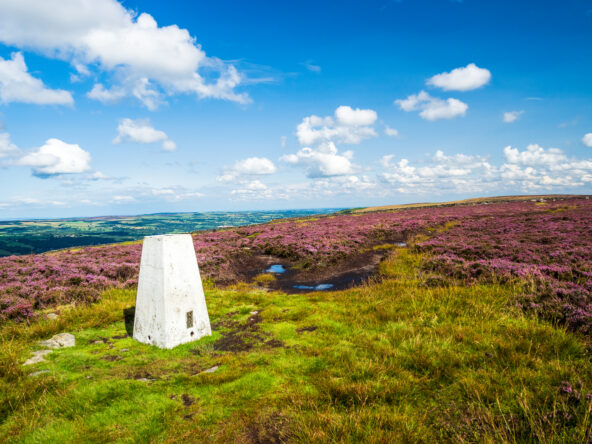
If there’s one place that keeps coming up for wildflower tourism in the UK, it’s the Yorkshire Dales. The combination of open landscapes, traditional farming, and protected meadows creates ideal conditions for a wide range of flowers to grow.
The best time to visit is usually late June to early July, when the fields are at their most colourful. Miss that window, and it can look completely different, which shows just how seasonal this kind of travel really is.
It’s not always as simple as it looks.
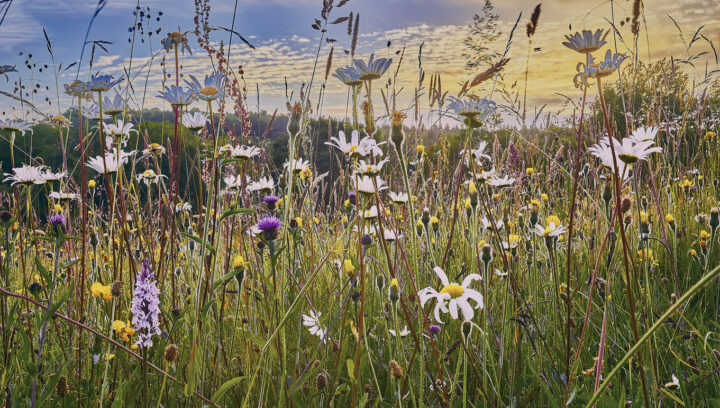
While the idea sounds easy, there are a few challenges. Weather plays a big role, and bloom seasons can change depending on conditions. Some years are incredible, others are more muted.
There’s also the issue of crowds. Popular spots can get busy during peak bloom, especially if they’ve gone viral online. That’s why some travellers are now looking for lesser-known locations to avoid the same overcrowding seen in places like Japan’s cherry blossom hotspots.
Why people are choosing this over traditional holidays
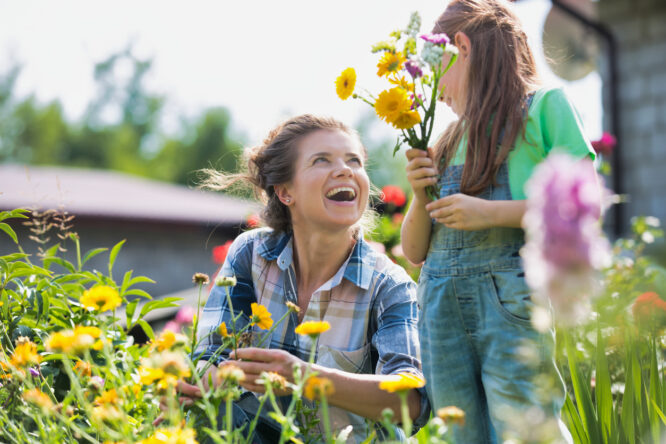
A lot of it comes down to how people want to feel when they travel. Instead of coming back exhausted, there’s a growing focus on slower, quieter experiences that feel more relaxing. Wildflower tourism fits that change perfectly. It doesn’t require much planning once you’re there, it’s usually low-cost compared to big city breaks, and it gives people a reason to explore places they might have otherwise overlooked.
It also taps into something bigger.
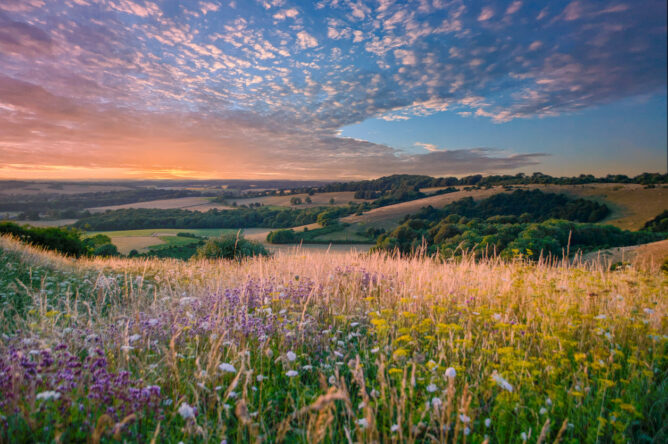
There’s a growing interest in nature, conservation, and simply being outdoors more. Trips like this feel like they have a bit more purpose, even if that just means appreciating something that doesn’t last very long. That’s part of why it’s catching on. It’s more than just taking photos of flowers—it’s about experiencing something that feels temporary and a bit different from the usual travel routine.
Wildflower tourism isn’t going anywhere, and that’s a good thing.
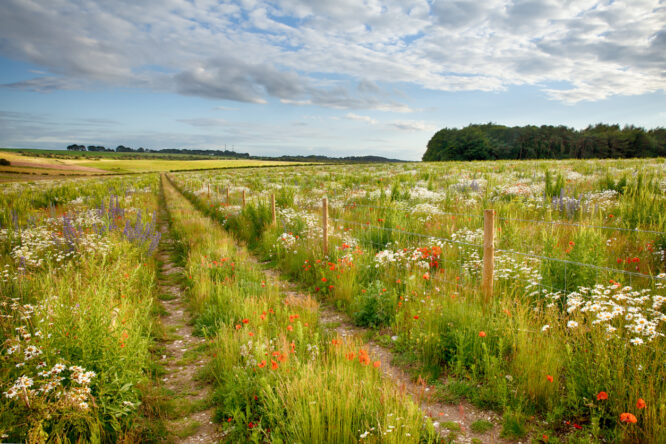
Unlike some travel trends that come and go quickly, this one is built around something that doesn’t really change. Flowers will always bloom, and people will always be drawn to them, especially when they’re at their peak. As more people look for slower, more meaningful trips, wildflower tourism fits naturally into that change. It’s simple, accessible, and doesn’t rely on anything complicated, which is exactly why it’s starting to take off now.