For anyone who relies on the Underground to get across the capital, waking up to a “service suspended” notification has become a frustratingly familiar part of London life.
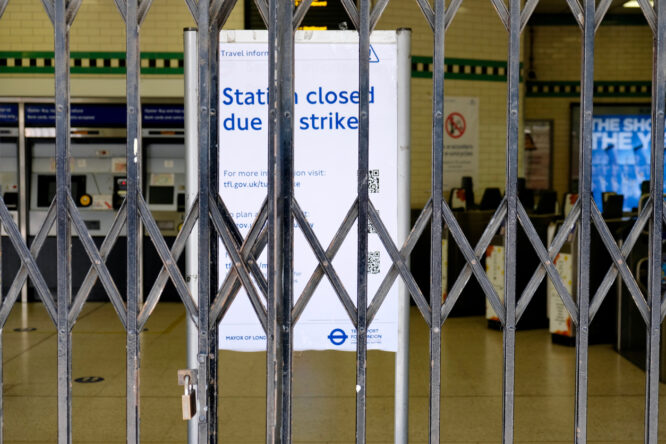
This latest round of industrial action isn’t just a random spike in tension; it’s the result of a long-simmering dispute over everything from pension protections to the proposed automation of roles that staff insist are vital for passenger safety. While the headlines often focus on the commuter chaos and the empty platforms, the core of the issue lies in a fundamental disagreement over how a modern transport network should be funded and staffed in a post-pandemic world.
As the unions and City Hall remain locked in a stalemate, the millions of people forced onto overstuffed buses or into expensive Ubers are left wondering if there’s actually an end in sight. However, understanding the specific sticking points behind this walkout is the only way to make sense of why the city keeps grinding to a halt just when it seems to be getting back on its feet.
Why tube strikes are happening right now
The main reason behind the current strike action is a dispute between Transport for London and the RMT union over proposed changes to working patterns. At the centre of it is a plan to introduce a four-day working week for Tube drivers.
On paper, that might sound like a positive change, but the disagreement comes down to how those hours are arranged. While TfL says the plan is voluntary and designed to improve flexibility, the union argues it could lead to longer shifts and more pressure on drivers.
The disagreement over the four-day working week is a huge sticking point.
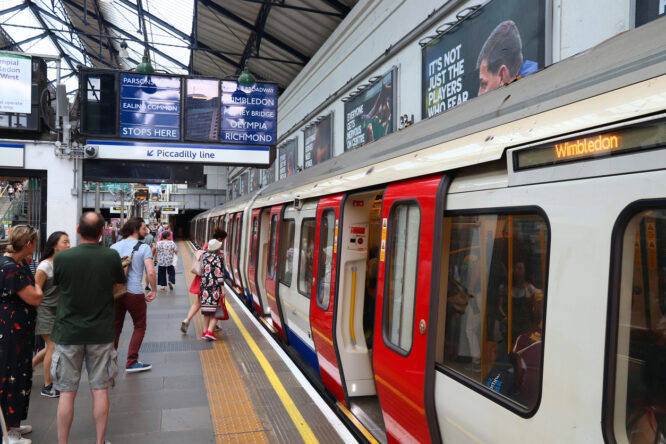
The proposal would see drivers move from a traditional five-day week to working their hours across four days instead. TfL says this would reduce overall time spent at work while giving drivers more days off. However, the RMT believes the plan effectively compresses the same workload into fewer days, which could increase fatigue and impact safety. The difference in how the plan is viewed is a major reason why talks have broken down.
Not all tube drivers are striking, though.
One detail that’s easy to miss is that not every driver is taking part in the strikes. The action is being led by members of the RMT union, which represents a large but not majority share of drivers. Drivers in another union, Aslef, have backed the four-day week proposal and are continuing to work as normal. That’s why some services are still running, even if they’re heavily reduced.
The strikes are causing disruption across multiple days.
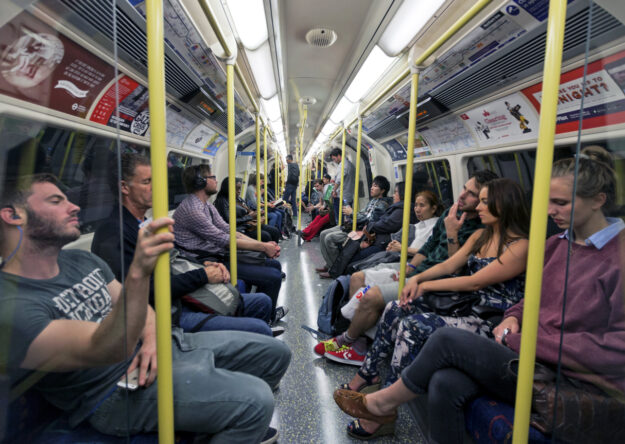
The strike action itself is split into separate 24-hour walkouts, but the impact stretches well beyond those exact times. Because trains and staff end up out of position, services don’t just snap back to normal once a strike ends. That means passengers are often dealing with disruption across several days, even if the official strike periods are shorter. Reduced services, late starts, and early finishes all add to the knock-on effect.
Which lines are most affected
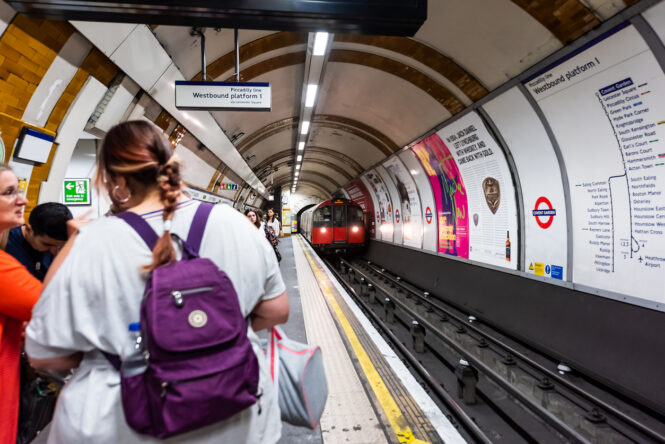
Not all parts of the Underground are hit equally. Some lines see no service at all during strike periods, while others run limited or reduced timetables. Lines like the Piccadilly and Circle are often among the hardest hit, along with sections of the Central and Metropolitan lines. This uneven disruption is another reason journeys become harder to plan.
The issue is about more than just pay.
Unlike some previous strikes, this dispute isn’t primarily about wages. In fact, there has already been a pay deal agreed in the background, which means the focus has been pulled elsewhere. The current disagreement is more about working conditions, shift patterns, and how changes could affect drivers over time. That makes it a more complicated issue to resolve quickly.
There are major concerns around fatigue and safety.
One of the biggest concerns raised by the union is the potential impact on safety. Longer shifts, even if fewer overall, could leave drivers more tired, especially in a role that requires constant attention. The union argues that fatigue in a safety-critical job like train driving is a serious issue, and that any changes to working patterns need to be carefully managed.
What TfL says about the changes
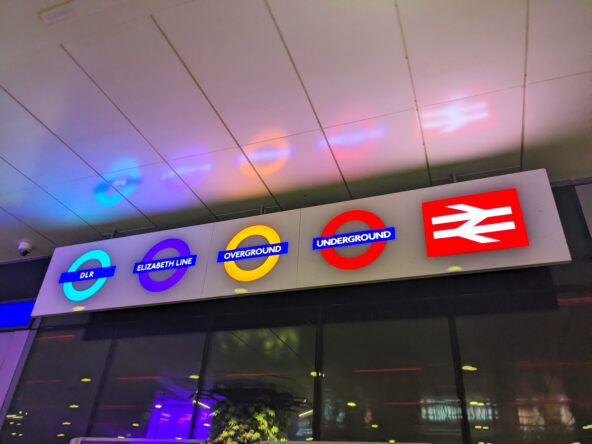
Transport for London has defended the proposal, saying it would modernise working patterns and bring the Underground in line with other parts of the rail network. They also maintain that the four-day week would be voluntary and would not reduce overall pay or contractual hours. From their perspective, the changes are about improving flexibility rather than increasing pressure.
How long disruption could continue

The current strikes are part of a wider pattern of industrial action that could continue over the coming months. Additional strike dates have already been mentioned if the dispute isn’t resolved. That means the disruption isn’t necessarily a one-off event, and passengers could face repeated periods of reduced service if negotiations don’t progress.
What this means for passengers right now

For anyone travelling in London, the main impact is uncertainty. Even when some trains are running, services are often crowded, delayed, or unreliable. Alternative transport like buses, Overground services, and cycling options are still available, but they tend to be much busier than usual. For many people, it turns into a question of planning ahead or avoiding travel altogether where possible.
For more information about the strikes and the dates when services will be affected, visit the TfL website.