Summer holidays are upon us, and if you still haven’t decided whether to go back to the same place you’ve been for the past five years, you’ll want to hang on before you book.

The newly announced flight schedule for 2026 might finally give you a reason to delete your old saved searches and pick someplace new. Airlines are making a massive play for the lesser-known corners of the continent, opening up direct paths to coastal spots and mountain retreats that used to require three trains and a fair amount of luck to reach. It’s a deliberate pivot away from the overcrowded hubs that have dominated the summer rush, offering a bit of breathing room for anyone tired of fighting for a square inch of sand in the Mediterranean.
There are some hidden gems in the Balkans and even some revitalised ports in Northern Europe (among other destinations), proving that the new routes veer off the standard tourist trail and focus on finding a bit of genuine quiet before the rest of the world catches on. Whether you’re looking for a weekend escape or a proper fortnight away, the map of Europe just got a whole lot more interesting.
New routes are opening up across Europe this summer.

Airlines are rolling out a wide mix of new short-haul routes, connecting cities that previously required awkward stopovers or longer journeys. The focus isn’t just on major capitals, either, with a blend of well-known destinations and lesser-visited spots now easier to reach directly.
Places like Florence in Italy, Tirana in Albania, and Alta in Norway are among those seeing new or improved connections. It reflects a broader change where airlines are spreading their networks beyond the usual hotspots and giving travellers more flexibility in where they go.
Southern Europe is still leading demand.

Unsurprisingly, much of the expansion still leans towards southern Europe, where demand for sunshine holidays remains strong. Greek islands and Italian cities continue to dominate, with routes being added to destinations like Kos, Thessaloniki, and Turin.
What’s changing slightly is how people get there. Instead of funnelling everyone through the same major airports, airlines are offering more direct access to secondary cities and islands, which can make trips feel a lot smoother overall.
Less obvious destinations are getting more attention.
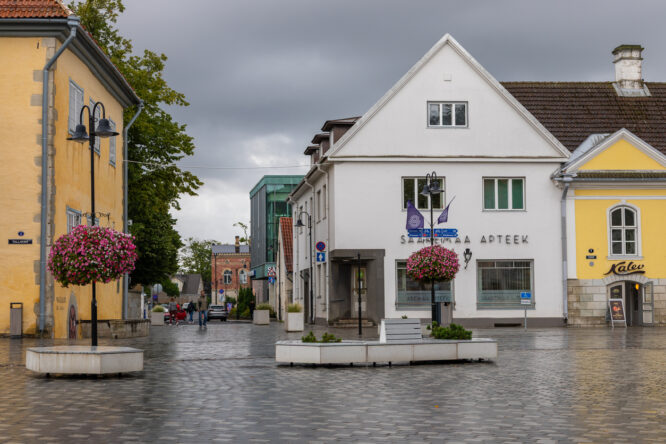
One of the more noticeable trends is the rise of destinations that wouldn’t usually be on a typical summer list. Smaller or lesser-known places are now being added to airline schedules, making them far more accessible than before.
That includes locations like Kuressaare in Estonia, which would have been difficult to reach without multiple connections in the past. It lines up with a growing interest in quieter, less crowded places, especially during peak travel months.
Long-haul connections are also expanding.

Alongside the European routes, there’s also been movement on long-haul connections. Cities like Toronto and Melbourne are seeing improved links into European networks as part of the wider schedule changes. This doesn’t just benefit long-distance travellers. It also makes multi-stop trips easier to plan, as more direct routes reduce the need for complicated transfers.
Flights are being added across different seasons.

Not all of these new routes are limited to peak summer. Some are launching in spring and continuing through to autumn, while others may run longer, depending on demand. This gives travellers a bit more flexibility, especially if they’re looking to avoid peak season crowds or higher prices. It also suggests airlines are testing which routes could become permanent additions.
British Airways is also adding key routes from the UK.
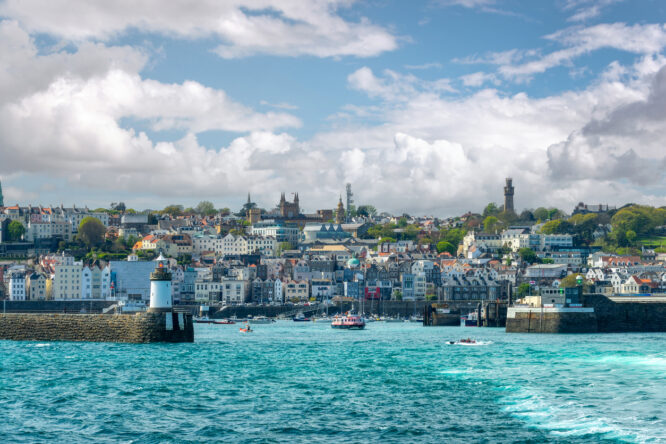
British Airways is part of the wider expansion too, although in a more targeted way. One of the standout additions is a direct route from London to Guernsey, which is returning after around 40 years.
That’s a notable change for UK travellers, as it creates a direct connection that hasn’t existed for decades. It also means British Airways is currently the only airline offering that route from the capital, highlighting a renewed focus on regional links as well as international ones.
Airlines are responding to how people travel now.
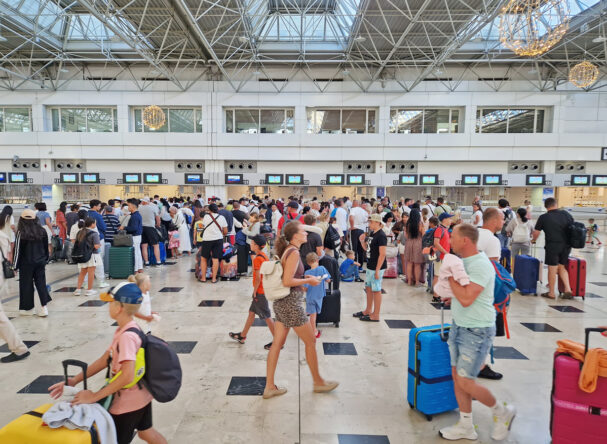
The growth in routes isn’t random. It reflects a clear change in how people are choosing to travel, with more interest in shorter breaks, less crowded destinations, and direct flights that cut down on hassle. Instead of relying heavily on major hubs, airlines are increasingly building point-to-point routes. That means more direct journeys and fewer connections, which is becoming a bigger priority for many travellers.
It’s now easier to avoid overcrowded hotspots.

With more routes opening up, travellers have a better chance of avoiding the busiest resorts and cities. Direct access to smaller destinations makes it easier to plan trips that feel less hectic. This is especially useful during peak summer months, when traditional hotspots can feel overcrowded. The added choice gives people more control over how and where they travel.
What this means if you’re booking now

If you’re planning a trip, the main takeaway is that you’ve got more options than you might expect. Routes that didn’t exist a year ago are now available, which could open up destinations you hadn’t considered. It’s worth checking smaller airports and alternative destinations, as they’re more likely to feature in these new routes. In some cases, that could mean a quicker journey or even better value simply because the route is newly introduced.