Unless you’re diabetic, when you’re planning a holiday, your blood sugar is probably the last thing you’re thinking about.
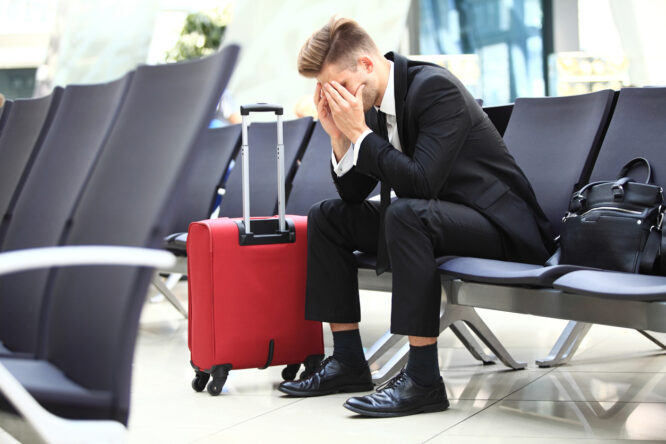
You’re focused on packing, checking in, and finding the gate, not on what’s happening inside your body while all of that’s going on. However, travel has a surprisingly huge effect on glucose levels, and it’s not just relevant to people managing diabetes. Disrupted eating, poor sleep, stress, and dehydration all affect blood sugar in ways that can leave you feeling rough without knowing exactly why.
The good news is that once you understand what’s actually causing the problem, it’s a lot easier to do something about it. None of the fixes are complicated, really. They mostly just require being a bit more deliberate than you would be at home, where your routine does a lot of the work for you without you having to think about it.
Crossing time zones throws your body’s internal clock completely off.

Your body manages blood sugar on a daily rhythm. It expects meals at certain times, activity at certain times, and sleep at certain times, and it adjusts insulin accordingly. When you fly across multiple time zones, that entire framework gets rejigged, and your body has to scramble to catch up. The mismatch between what your body is expecting and what’s actually happening can cause blood sugar to behave unpredictably for a day or two while you adjust.
This is particularly relevant for anyone who takes insulin or medication on a fixed schedule because the timing of those doses was worked out around your normal daily pattern. A long-haul flight doesn’t just change your bedtime; it changes everything your body uses to time its glucose response. Giving yourself a day to adjust at your destination rather than diving straight into a packed itinerary makes a real difference, and if you’re managing a condition like diabetes, it’s worth talking to your doctor before you travel about how to handle the timing of any medication.
Airport food and skipped meals are a fast route to energy crashes.

Travel days rarely go to plan, and eating is usually the first thing that slips. Flights get delayed, layovers drag on, and grabbing something decent in a terminal is harder than it sounds when you’re rushing. Long gaps without food can drop your energy and affect glucose levels, while the quick carb-heavy options that are easiest to grab, such as pastries, crisps, or meal deals built around white bread, tend to cause a sharp spike followed by a crash that makes the rest of the journey feel even more draining.
The simplest fix is packing your own snacks before you leave. Things like nuts, a bit of cheese, or wholegrain crackers with nut butter give you something that combines protein, fibre, and healthy fat, which keeps blood sugar far more stable than refined carbohydrates alone. It removes the pressure of having to find something decent when you’re already stressed and short on time, and it’s one of those small preparations that pays off more than it seems like it will when you’re doing it.
Travel stress does something specific to your blood sugar that’s worth understanding.
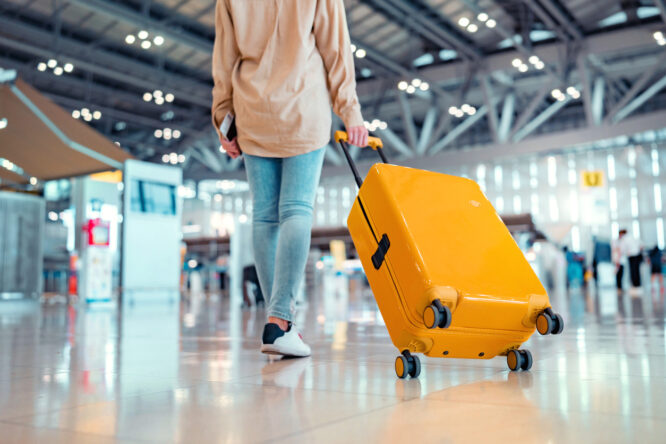
Missed connections, long queues, navigating an unfamiliar transport system, or running late all add up. Stress triggers the release of cortisol, and cortisol has a direct effect on blood sugar because it signals the liver to release more glucose into the bloodstream. Your body is essentially preparing for a physical threat that isn’t there, and your glucose levels rise in response.
What makes this particularly tricky during travel is that the stress tends to be constant rather than occasional. It’s the low-level hum of rushing, waiting, and worrying that runs through the whole day rather than one big stressful moment you can recover from. Building in more buffer time than you think you need by arriving at the airport earlier and not cramming in too much on the first day helps more than it might sound. Even a few minutes of slow breathing when you feel the tension building can take the edge off the cortisol response.
Poor sleep is one of the bigger problems.

Sleep tends to be the thing people sacrifice most readily when travelling, whether that’s because of an early flight, a noisy hotel room, or just the difficulty of sleeping somewhere unfamiliar. Of course, rest plays a big role in how the body manages glucose, and when you’re running short on it, the small habits that normally keep blood sugar stable are the first things to slip. You’re more likely to skip checking your levels, push a meal back, or reach for something sugary because you need quick energy.
There’s also a more direct effect: poor sleep is linked to reduced insulin sensitivity, which means the body has a harder time managing glucose even when you’re doing everything else right. Fatigue makes decisions harder too: what to eat, when to move, how to time medication. The things that feel almost automatic at home suddenly require effort when you’re exhausted. Keeping your bedtime as consistent as you can and trying to ease into the local time at your destination rather than forcing it both help your body settle into a new rhythm faster.
Dehydration affects blood sugar in a way most people don’t realise.

Staying hydrated is easy to let slide when you’re on the move. Cabin air is particularly drying, and busy travel days mean you often drink far less than you normally would without really noticing. When you’re dehydrated, blood sugar becomes more concentrated, and symptoms like headaches, tiredness, dry mouth, or feeling a bit off are easy to blame on jet lag or a long day rather than recognising them as signs you need to drink more water.
The straightforward fix is treating hydration as something you plan for rather than something you remember when you’re already thirsty. Fill a water bottle before you board, sip steadily throughout the flight, and make a point of drinking more than feels necessary on busy days when you’re running around. It’s one of those things that sounds almost too simple to make a real difference, but the effect on how you feel across a full day of travel adds up quickly.
Movement is easier to fit in than you’d think, and it genuinely helps.

Long stretches of sitting in a car, on a plane, or at a gate work against blood sugar control because the body uses glucose more efficiently when you’re moving. You don’t need a gym or a long walk to get the benefit. Walking the terminal during a layover, doing a few stretches in your seat, or taking a short stroll after a meal are all enough to make a difference. Brief movement helps the body process glucose more effectively, which is particularly useful on days when eating has been less structured than usual.
It also helps with the stress and sleep side of things. Moving your body, even gently, lowers cortisol and makes it easier to wind down at the end of the day. On long-haul flights especially, getting up every hour or so is worth doing regardless of how inconvenient it feels. The cumulative effect of sitting completely still for eight hours is worse for your body than most people account for.
A little planning before you leave removes most of the problem.

The disruptions that travel brings are all real, but they’re also predictable. Knowing they’re coming means you can prepare for them, which takes most of the difficulty out of managing blood sugar on the road. Pack snacks, carry a water bottle, build in buffer time, protect your sleep where you can, and move when you get the chance. None of that requires much effort at home, and it makes a meaningful difference to how you feel once you’re actually travelling.
If you’re managing diabetes or another condition where blood sugar matters a lot, a conversation with your doctor or dietitian before a big trip is genuinely worthwhile. Getting advice tailored to your specific medication and routine means you’re not figuring it out on the fly when you’re already tired and in an unfamiliar place. The trip should be the enjoyable part; the preparation is what makes sure it stays that way.