A few years ago, people mostly grabbed drinks because they were thirsty.

Now it feels like drinks have somehow become tiny personality traits. Gen Z especially has turned certain drinks into full-on comfort items. Matcha lattes, iced coffees, bubble tea, Diet Coke, energy drinks, fancy sodas, and even giant reusable water bottles all seem to mean something bigger now.
People joke online about having an emotional support drink, but there’s actually a real reason the trend has exploded. For a lot of younger people, these drinks aren’t just about taste anymore. They’ve become part routine, part comfort, and part coping mechanism in a world that feels stressful most of the time.
These drinks give people a small sense of comfort and control.
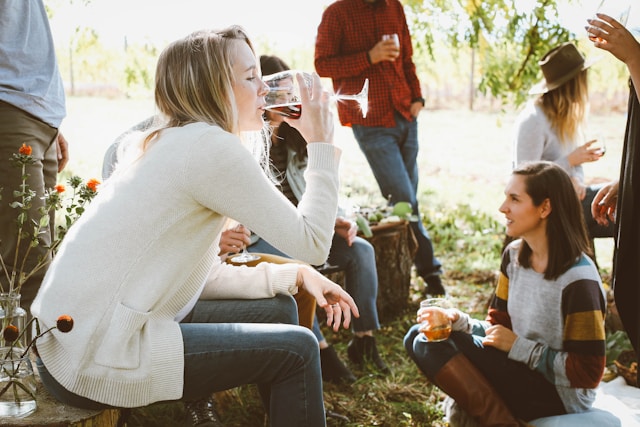
Life feels expensive, busy, and unpredictable for a lot of Gen Z. Rent is high, jobs feel uncertain, social media never switches off, and many young people feel pressure to constantly look successful online. Something as simple as stopping for the same iced coffee every morning can start feeling weirdly important because it becomes one small thing that feels familiar and reliable.
Psychologists say humans naturally look for little routines when they’re stressed. That’s partly why emotional support drinks have taken off so much. The drink itself almost becomes part of somebody’s daily reset button. Even holding the cup can feel calming because the brain starts linking it with comfort, breaks, safety, or relaxing for a few minutes.
Drinks have become part of people’s identity now.
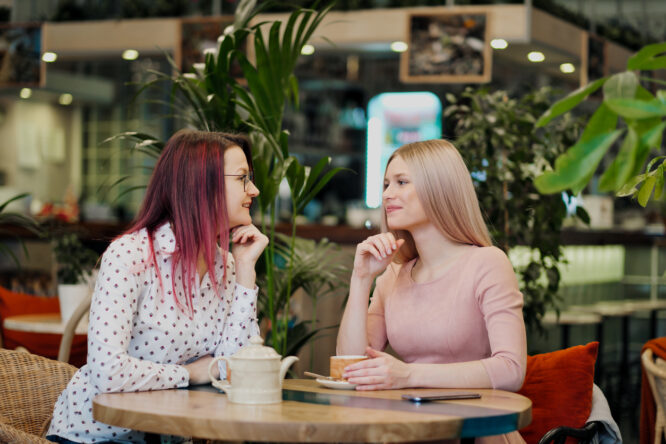
For older generations, a drink was usually just a drink. Gen Z often treats them more like accessories or little bits of self-expression. Somebody carrying an iced matcha latte gives off a different vibe from somebody drinking a giant black coffee or an energy drink. Social media has made this even bigger because drinks constantly appear in TikToks, Instagram photos, and day in my life videos.
That’s one reason certain drinks suddenly become trends overnight. Matcha exploded partly because it looks nice on camera, feels healthier than coffee, and gives people a calmer, wellness-style image online. Bubble tea shops, colourful iced drinks, and fancy coffees all fit into that same world where people want everyday things to feel a bit more personal and aesthetic.
A lot of Gen Z drinks less alcohol than older generations did.
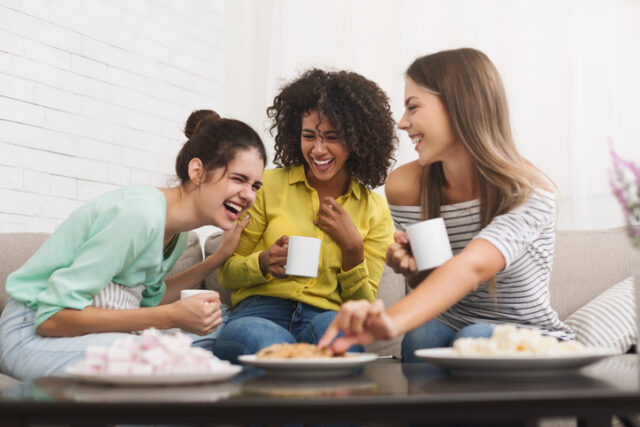
Research keeps showing that Gen Z drinks less alcohol than many older generations did at the same age. Some simply don’t like hangovers. Others are more focused on fitness, mental health, saving money, or staying productive the next day. That’s helped turn coffees, mocktails, sodas, and wellness drinks into the new social comfort items instead.
In the past, loads of socialising revolved around pubs or drinking alcohol. Now many younger people meet in coffee shops, go for matcha runs, or grab drinks together without alcohol being the main event. Some experts even call this soft socialising because it feels lower pressure and more relaxed.
The routines around the drink matter almost more than the drink itself.

Part of the appeal is the little ritual that comes with it. Picking the drink, ordering it, carrying it around, posting it online, or having the same one every day can all become part of somebody’s routine. Humans love rituals more than we probably realise. They make life feel more organised when everything else feels messy.
That’s why people get strangely attached to very specific drinks. Somebody might swear their iced vanilla latte helps them function, even though they know it sounds dramatic. Others won’t start work without a certain tea or energy drink. It’s less about the actual liquid and more about the feeling connected to it.
Companies and social media know exactly what they’re doing.
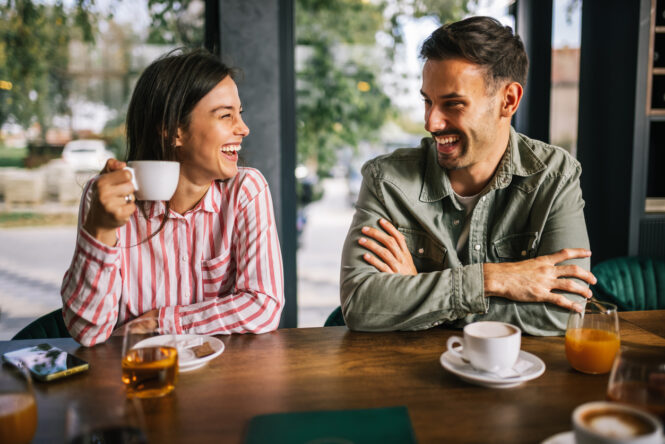
Brands have realised younger people don’t just want drinks anymore. They want drinks that feel fun, comforting, healthy, aesthetic, or linked to a certain lifestyle. That’s why modern cafés and drink brands put so much effort into colours, packaging, names, and social media trends.
Some drinks are basically designed to go viral online. Bright green matcha, layered iced coffees, fancy sodas, colourful bubble teas, and giant iced drinks all stand out in photos and videos. Once people start seeing them everywhere online, the drink becomes less about thirst and more about wanting to feel part of the same trend or mood.
The whole trend probably says more about stress than drinks.
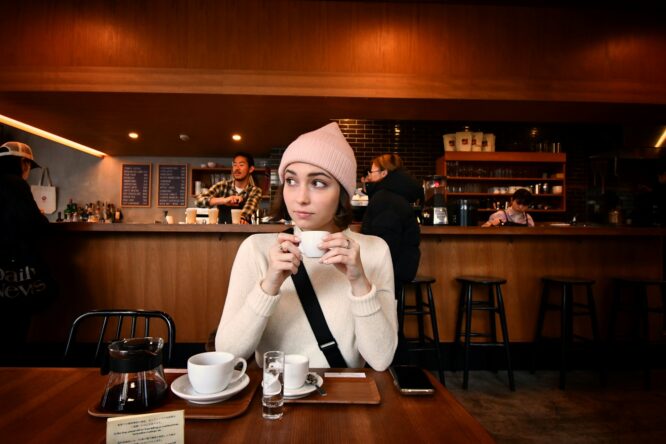
At first glance, emotional support drinks sound funny and harmless, and mostly they are. But the trend also says something bigger about how many younger people are feeling right now. Lots of Gen Z grew up during financial crashes, lockdowns, social media pressure, rising living costs, and constant bad news online. Even small comforts can start feeling important when life feels overwhelming all the time.
That’s probably why these drinks have become such a huge thing. They’re affordable little treats, tiny routines, and small moments of comfort people can control. Realistically, most people know an iced coffee isn’t solving their problems. But sometimes having one familiar thing that makes the day feel slightly better is enough to keep people going.