Whether you’re slicing them into a salad, throwing them into a stir-fry, or simmering them down for a proper Sunday roast sauce, tomatoes are an absolute staple in almost every kitchen.

But beyond adding a massive burst of flavour to your meals, these vibrant red fruits are packed with an incredible punch when it comes to keeping your body healthy. They’re loaded with powerful antioxidants and essential vitamins that do wonders for everything from your heart to your skin.
The twist is that you’re not automatically getting the maximum reward just by eating them raw. The way you prepare, cook, and pair them completely changes how much goodness your body can actually absorb, meaning a few small tweaks in the kitchen can instantly supercharge your daily nutrition.
Tomatoes have a magic ingredient hidden inside.
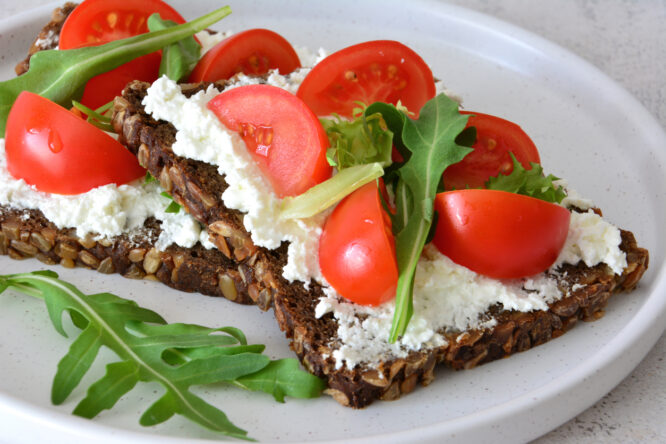
The reason tomatoes are so good for you comes down to one special thing called lycopene. Lycopene is what makes tomatoes that lovely bright red colour, and it’s also a super helpful antioxidant. Antioxidants are basically tiny warriors inside your body that fight off damage to your cells, which can lead to things like ageing, illness and disease.
What’s brilliant about lycopene is how easy it is to get hold of. You don’t need to buy fancy supplements or hunt down rare foods. Tomatoes are cheap, found in every supermarket and used in loads of everyday meals. Whether you’re chopping fresh ones into a salad or opening a tin to make spaghetti bolognese, you’re giving your body a steady dose of one of the best antioxidants out there.
Tomatoes are brilliant for your heart.

One of the best things tomatoes do is look after your heart. The lycopene inside them helps reduce inflammation, which is when parts of your body get swollen or irritated for too long. Inflammation is linked to lots of heart problems, so cutting it down is a really good thing.
Eating tomatoes regularly can also help lower the bad type of cholesterol in your blood, while raising the good type. One small study found that people who drank tomato juice and added ketchup to their meals for six weeks had measurably better cholesterol levels at the end. Tomatoes also contain potassium, which helps keep your blood pressure healthy. All of this adds up to a happier, stronger heart.
They can help protect against cancer.

Tomatoes have one of the strongest reputations of any food when it comes to protecting against cancer. Loads of studies have shown that people who eat plenty of tomatoes tend to have a lower risk of developing certain cancers, particularly prostate cancer in men.
One famous study followed nearly 47,000 men and found that those who ate two or three cups of tomato sauce a week had a 30% lower chance of getting prostate cancer than men who barely ate any. Other research has linked lycopene to a lower risk of lung, breast, and stomach cancers too. Tomatoes aren’t a magic shield, but they’re definitely one of the smartest things to keep in your diet.
They give your immune system a boost.

Most of us reach for oranges when we want vitamin C, but tomatoes are surprisingly full of it, too. Cherry tomatoes in particular are loaded with the stuff. Vitamin C helps your immune system fight off colds and other bugs, helps your body absorb iron from plants, and keeps your skin looking healthy.
Tomatoes also contain other useful nutrients like vitamin K, folate and potassium. All of these work together to keep different parts of your body running smoothly. So every time you tuck into something tomato-based, you’re basically giving yourself a quiet little health boost without even thinking about it.
Why cooked tomatoes are even better than raw ones.

Here’s a surprising fact. Raw tomatoes are great for you, but cooked tomatoes are actually even better. The reason is a bit clever. In raw tomatoes, the lycopene is locked away in a form your body finds quite hard to absorb. When you heat the tomato up, the lycopene changes into a different form that your body can soak up much more easily.
The difference is huge. A big raw tomato has around 5 mg of lycopene, while half a cup of tomato sauce has around 17 mg. That’s more than three times the amount, simply because cooking opens everything up and lets the goodness out. So while a fresh tomato salad is lovely, a bowl of pasta with tomato sauce is actually doing more for your body in terms of lycopene.
The clever olive oil trick.

If you want to squeeze even more goodness out of your tomatoes, add a bit of olive oil. Lycopene needs fat to be properly absorbed by your body, so pairing tomatoes with a drizzle of oil makes a real difference. Cooking your tomato sauce with olive oil, or drizzling a bit over a salad, can boost how much your body actually takes in.
This is part of why Mediterranean diets, which are full of tomatoes, olive oil and herbs, are linked with such good long-term health. The combination isn’t just tasty, it’s nutritionally clever. You don’t need to drench your food in oil, either. Even a small splash makes a real difference.
Different ways to eat tomatoes.

Lots of different tomato products offer different benefits. Fresh tomatoes are great for vitamin C and fibre. Tinned tomatoes, tomato sauce and tomato paste are brilliant for lycopene because the cooking process has already done the work for you. Sun-dried tomatoes are particularly packed, with around 2 mg of lycopene in just a single tablespoon.
Tomato juice is another easy way to get more in, and even ketchup contains around 2 mg of lycopene per tablespoon. Nobody’s saying you should live on ketchup, but it’s nice to know that even your everyday tomato products are quietly doing you good.
How much should you actually eat?

There’s no official recommended amount of lycopene, but research suggests the benefits start kicking in at around 7 to 10 mg a day. The good news is that hitting that level is genuinely easy. A plate of pasta with a decent serving of tomato sauce can deliver more than 20 mg in a single meal. A bowl of tomato soup at lunchtime adds even more.
Sprinkle a handful of cherry tomatoes into a salad, stir tinned tomatoes into a stew, and you’re easily clearing the threshold where studies start showing proper protective effects. You don’t need to make a big deal of it. Just including tomatoes in your weekly cooking is enough to do the job.
Simple ways to eat more tomatoes every week

Getting more tomatoes into your meals doesn’t have to be complicated. Roast a tray of cherry tomatoes with garlic, a splash of balsamic vinegar and a drizzle of olive oil, then pop them in the fridge to use throughout the week. Spread them on toast with avocado, stir them into pasta or pile them on top of a baked potato.
Homemade tomato sauce is one of the most useful things you can have in your fridge or freezer. Use it for pasta, rice dishes, baked beans on toast, shakshuka or soups. Tinned tomatoes are cheap, last forever in the cupboard and form the base of loads of brilliant meals. Even a spoonful of tomato paste stirred into a stew or curry boosts both flavour and lycopene at the same time. Tomatoes really are one of the easiest foods to slip into everyday life, and your body will quietly thank you for every plate of them.