Most of us look at our council tax bill as a massive, non-negotiable dent in the monthly budget, but there’s often a huge disconnect between the amount we pay and the services we actually see.
While it’s easy to assume the cash just goes toward bin collections and fixing the odd pothole, the reality of local government funding in 2026 is much more complex—and a lot of the bill is now swallowed up by “invisible” services like adult social care and children’s services before a single blade of grass is cut in the local park. With the average Band D bill now climbing toward £2,400 across England, understanding exactly where that 9% of your income is going is the only way to make sense of why your local library might be struggling while your bill continues to rise.
It’s also important to know what your council isn’t responsible for, so you’re not wasting your time barking up the wrong tree when things like water leaks or main road closures cause a headache. Here’s a breakdown of how your local authority carves up your cash and which services are actually funded by other pots of money.
It funds your local council’s core services.
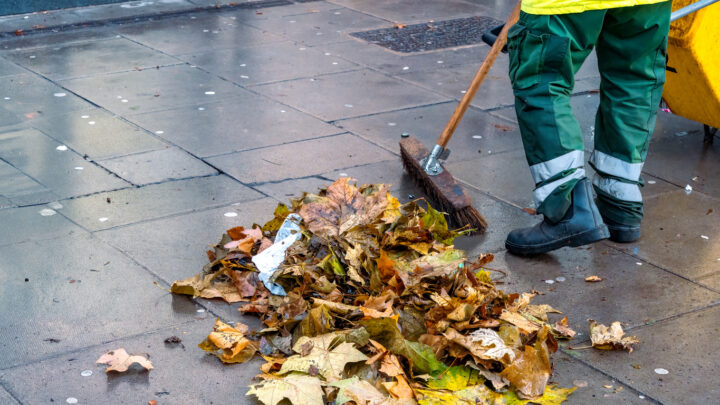
The biggest chunk of council tax goes toward running the basic services your local authority is responsible for. That covers waste collection, street cleaning, maintaining local roads and pavements, and keeping public spaces usable. These are the everyday things most people don’t notice until they stop working. A missed bin collection or a pothole that’s been sitting there for months tends to be the first sign that something in the budget isn’t quite right.
Social care takes up a pretty big portion.

Adult social care is now one of the biggest expenses councils face, and a growing share of council tax revenue goes toward it. This covers support for elderly residents, disabled adults, and people who need help living independently. Councils have been allowed to add a social care precept on top of standard council tax rises for several years now, specifically to fund this area, which is part of why bills have been climbing steadily.
Children’s services are also funded through it.

Child protection, looked-after children, and family support services all come under the council’s remit and are funded partly through council tax. This is another area where demand has increased significantly while funding has stayed tight. Most people don’t think about this when they get their bill, but it’s a real and substantial part of what local authorities are trying to cover.
Libraries, leisure centres, and parks get council funding.

Public amenities like libraries, parks, and council-run leisure facilities are all funded through the local authority budget, which council tax contributes to. These are also the services that tend to get cut first when budgets are squeezed, which is why library hours have reduced in many areas and some facilities have closed altogether. Whether your local park is well maintained or your nearest library is still open often comes down directly to how well-funded your council is.
Fire and police services get a share too.

Your council tax bill isn’t just one payment to one organisation. It’s split between several, including your local police and crime commissioner and your fire authority, both of which have their own precepts built into the total. This is why when you look at an itemised bill, you’ll see separate figures for different bodies rather than one single amount going to the council.
Local transport and road maintenance are part of your council tax (even if it doesn’t feel like it).

Councils are responsible for maintaining local roads, pavements, cycle paths, and street lighting. Bus subsidies for routes that wouldn’t survive commercially also come under this umbrella in many areas, particularly in rural communities where public transport is thin on the ground. If your local bus route has been cut or your road hasn’t been resurfaced in years, it’s often a direct result of this part of the budget being reduced.
What council tax doesn’t cover
This is where a lot of people are surprised. Council tax doesn’t fund the NHS. GP surgeries, hospital care, and all other health services are funded through national taxation, not your local bill. It also doesn’t cover schools directly. State school funding in England comes primarily from central government through a national funding formula. Most people assume their council tax is doing more than it actually is on both of these fronts.
It doesn’t fund national welfare or benefits.
Universal Credit, the state pension, child benefit, and most other welfare payments are funded through central government and have nothing to do with your council tax. The one exception is council tax support, a local scheme that helps people on low incomes with their bills. But the broader benefits system sits entirely outside what your local authority controls or pays for.
Bands haven’t been updated since 1991.
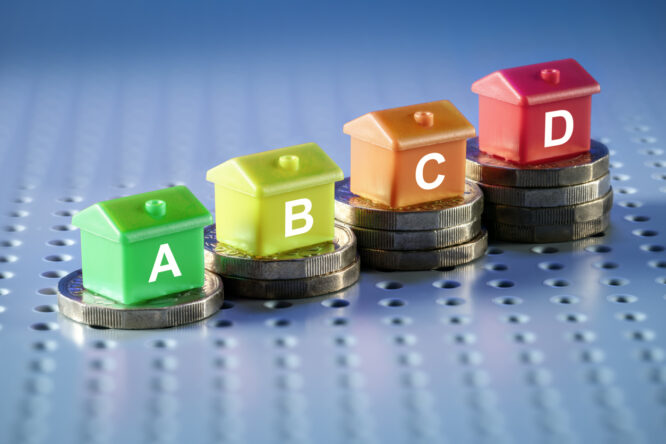
The council tax band your home sits in was determined by its estimated value in April 1991 and has never been nationally revalued since. England is the only part of the UK where this is still the case. It means the system is based on a snapshot of the housing market from over 30 years ago, creating some pretty big anomalies. Most experts consider it overdue for reform, but successive governments have avoided touching it.
You can challenge your band, and it could save you thousands.

This is the part most people don’t know about. If you think your property is in the wrong band, you can challenge it through the Valuation Office Agency in England and Wales, or the Scottish Assessors in Scotland, and the process is completely free. Around 60% of challenges result in a band reduction, and if yours is successful, the refund can be backdated to when you moved in, which in some cases adds up to thousands of pounds.
The GOV.UK website actually published a step-by-step guide to this process specifically to help more people do it. The strongest grounds for a challenge are evidence that similar properties on your street or nearby are sitting in a lower band. You can check your own band and your neighbours’ bands at gov.uk/council-tax-band-searches by entering your postcode.
If comparable properties around you are in Band B, and you’re in Band C, that’s a reasonable basis for a challenge. The VOA will review the evidence and decisions typically come within three to six months. One important thing to know: a challenge can result in your band going up as well as down if the VOA decides your property was undervalued, so it’s worth doing your research on comparable properties before you submit anything.
Discounts you may not be claiming

Single-person households are entitled to a 25% reduction, and it doesn’t apply automatically—you need to claim it. Full-time students are exempt entirely. People with severe mental impairments may also qualify for an exemption, and those on low incomes can apply for council tax support through their local council. A large number of people who qualify for these reductions aren’t claiming them, simply because they don’t know the option exists. It’s worth checking what you’re entitled to before your next bill arrives.