Europe’s wealth map isn’t expected to completely flip by 2030, but it is changing in ways that say a lot about how economies are developing behind the scenes.
Most countries are projected to become richer in absolute terms, but that doesn’t automatically mean big changes in rankings. The more interesting part is how slowly positions are moving, even with growth happening across the board. It shows that once countries reach a certain level of wealth, it takes a lot more to change their position compared to those still catching up.
For starters, “richest” doesn’t always mean what people think.
When people hear “richest countries,” they often picture overall economic size or how powerful a country is globally. However, these rankings are based on GDP per person, which focuses on how much wealth is spread across the population rather than the total size of the economy.
Even then, there are two different ways of looking at it. One is raw income, which is a straightforward number, and the other adjusts for cost of living. That second version often gives a more realistic picture because the same income can go much further in some countries than others. It’s the difference between what people earn and what that money actually allows them to do day to day.
Ireland is expected to come out on top, but it’s not straightforward.
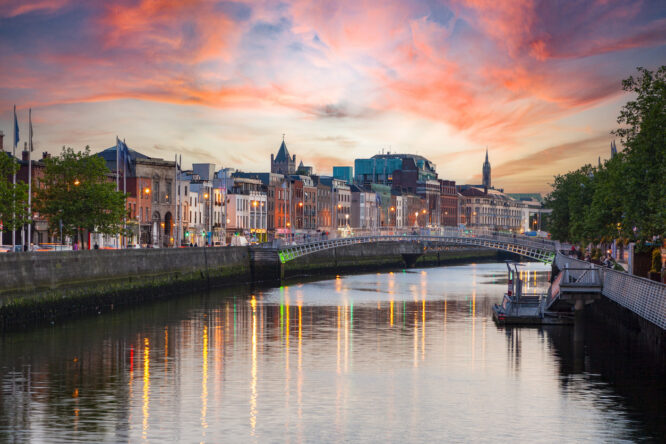
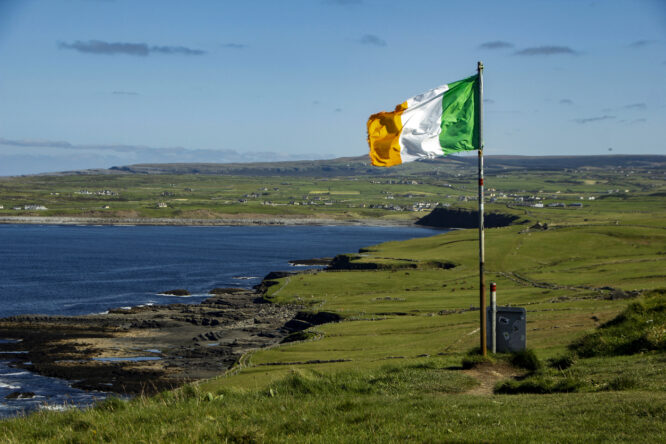
By 2030, Ireland is projected to take the top spot in Europe when adjusted for cost of living, moving ahead of Luxembourg. On paper, that puts it firmly at number one.
However, there’s an important detail behind those numbers. Ireland’s economy is heavily influenced by large multinational companies that base their operations there. That boosts the country’s overall figures, but it doesn’t always reflect the everyday experience of people living there. It’s a reminder that these rankings can sometimes be shaped by factors that don’t directly translate into personal wealth.
The usual top countries are staying where they are.
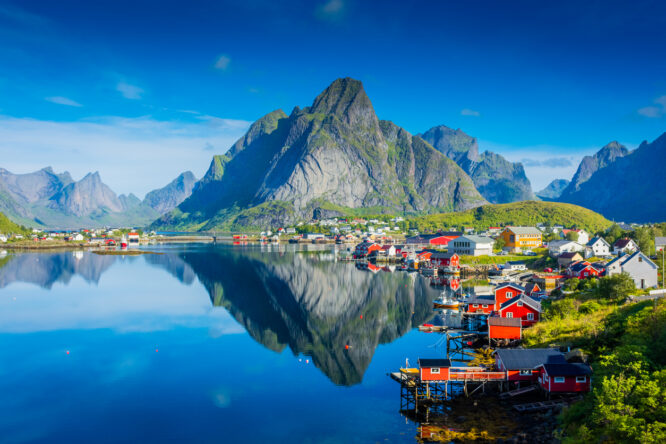
While Ireland edges into first place, the rest of the top group remains very familiar. Countries like Norway, Switzerland, and Denmark continue to sit comfortably near the top.
That consistency shows how stable these economies are. They’ve built long-term systems that support high incomes and strong living standards, which makes it difficult for other countries to catch up quickly. It also suggests that once a country reaches this level, maintaining that position becomes more about stability than rapid growth.
Big economies like the UK sit further down the list.
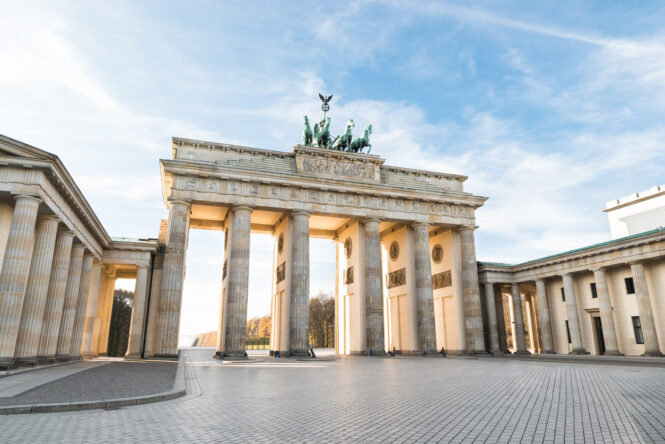
Some of Europe’s largest economies don’t rank as highly when you look at income per person. Germany sits closest to the top out of the biggest economies, but still outside the very top tier.
The UK, France, Italy, and Spain all sit further down, which highlights an important distinction. These countries generate a lot of wealth overall, but that wealth is spread across much larger populations. It shows how scale can affect rankings, even when an economy is strong in global terms.
Eastern Europe is still catching up.
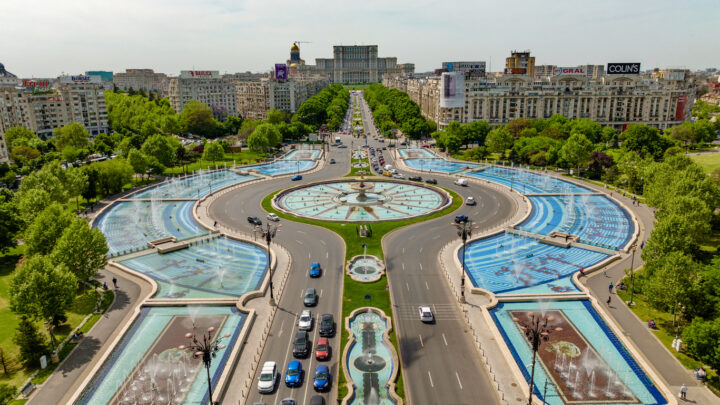
One of the clearest patterns is the gap between Western and Eastern Europe. Countries in the east are still expected to sit well behind in terms of income per person.
Even though many of these economies are growing at a steady pace, the gap remains considerable. In some cases, projected figures are still less than half of those in Western Europe. That highlights how long economic catch-up can take, even with consistent progress.
Some countries are starting to move up.
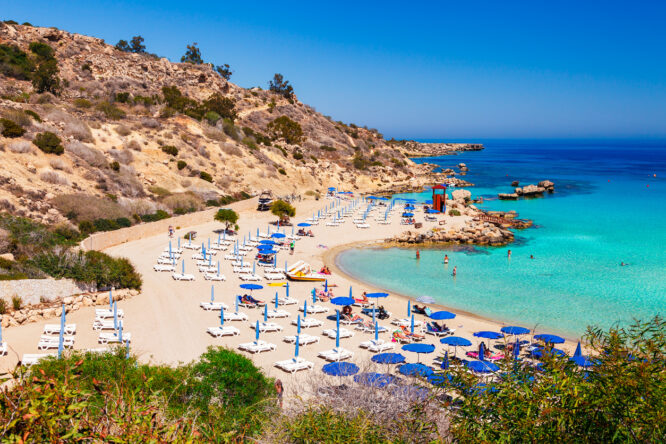
While most rankings don’t change dramatically, there are a few changes that stand out. Cyprus, for example, is expected to climb several places over the next few years. These smaller movements show where growth is happening a bit faster. They might not completely reshape the rankings, but they do point to countries that are gradually strengthening their position compared to others.
The gap between countries remains wide.

Even by 2030, the difference between the richest and poorest countries in Europe is still expected to be large. At the top end, income per person is projected to be many times higher than in the lowest-ranked countries. The gap highlights how uneven economic development still is across the continent. While growth is happening almost everywhere, it isn’t happening at the same pace, which keeps the divide in place.
Cost of living changes the picture more than expected.
Looking at raw income figures alone can give a misleading impression of wealth. Once cost of living is factored in, some countries move up the rankings while others drop slightly.
Countries where everyday expenses are lower often perform better under this measure because income stretches further. On the other hand, places with higher living costs can appear less favourable, even if people earn more on paper. It shows how important it is to look beyond headline numbers.
The countries expected to be among Europe’s richest by 2030
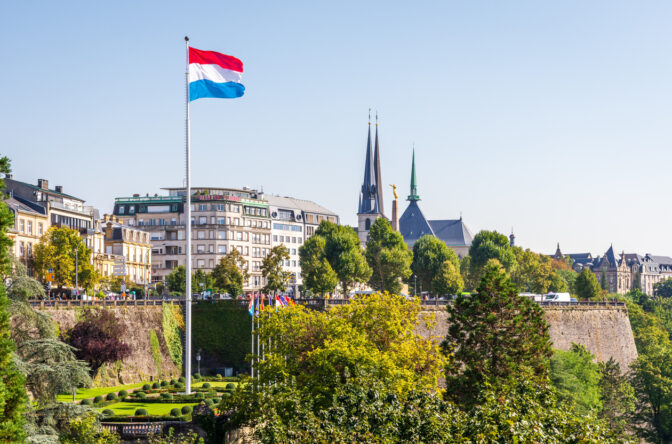
Based on current projections using income adjusted for cost of living, the top of the table is expected to stay fairly consistent, with a few small changes in position.
Countries expected to rank among the richest in Europe by 2030 include Ireland, Luxembourg, Switzerland, Norway, Denmark, the Netherlands, Austria, Germany, Sweden, and Belgium. These are the economies that continue to combine strong incomes with relatively stable growth.
Where exactly the UK is expected to sit
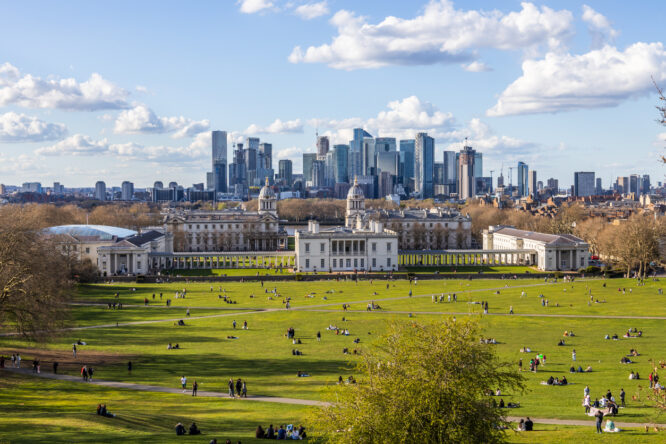
The UK is expected to remain further down the rankings compared to the top tier, sitting closer to the middle of Western Europe rather than competing with the very richest countries. That reflects a combination of factors, including population size, cost of living, and slower income growth compared to some smaller, high-income economies.
The bigger picture is slow, steady change.
When you step back, the overall trend is one of gradual movement rather than major changes. Most countries are becoming wealthier, but they’re largely keeping their relative positions. That kind of slow change reflects how complex economies are. It takes years, sometimes decades, for structural differences between countries to narrow, which is why the rankings don’t change as quickly as people might expect.
What this means in real terms
These rankings don’t always reflect everyday life perfectly, but they do highlight where economic strength is concentrated and how it’s evolving over time. Rather than a dramatic reshuffle, Europe’s economic landscape is changing in a more gradual way. The same countries are likely to remain near the top for the foreseeable future, while others continue to close the gap step by step.