As they get older, a lot of people realise that meals they used to enjoy start tasting flatter, less vivid, or just not quite right.

It usually happens gradually, which is why it can be easy to miss at first. However, it’s a real thing, and there’s an interesting explanation behind it. As you age, your sense of taste and smell both begin to change, and together they affect how you experience flavour. Basically, when food doesn’t taste the same anymore, it’s often down to a mix of physical changes rather than the food itself.
Your sense of taste and smell both weaken over time.

Taste isn’t just about your tongue. While your taste buds pick up basic flavours like sweet, salty, sour, bitter and savoury, most of what you think of as flavour actually comes from your sense of smell. As you get older, both of these senses tend to decline. Taste buds can become less sensitive, and your sense of smell can weaken as well. When that happens together, food naturally starts to feel less intense and less enjoyable.
You may have fewer working taste buds.

As time goes on, the number of taste buds you have can decrease, and the ones that remain don’t work as effectively as they once did. This change doesn’t happen overnight, but it becomes more noticeable with age. That means flavours that once felt strong may now seem muted. You might find yourself adding more seasoning or struggling to get the same satisfaction from meals you used to love.
A dry mouth can make a big difference.

Saliva plays an important role in how you taste food. It helps break down what you eat and allows flavours to reach your taste buds properly. As people get older, they often produce less saliva. This can make food feel drier and duller, even if nothing about the recipe has changed.
Medication is a common hidden cause.

One of the most overlooked reasons for taste changes is medication. Many common prescriptions can affect how food tastes or cause a dry mouth. This includes things like blood pressure medication, antibiotics, and some treatments for allergies or mental health. If food suddenly starts tasting different, it’s worth considering whether a new medication could be involved.
Your sense of smell has a bigger impact than you think.

If your sense of smell changes, your sense of taste usually follows. This is why food tastes bland when you have a cold or blocked nose. As you age, your sense of smell can weaken naturally, but it can also be affected by things like allergies or sinus problems. When smell is reduced, food often loses much of its flavour.
Oral health can also affect taste.
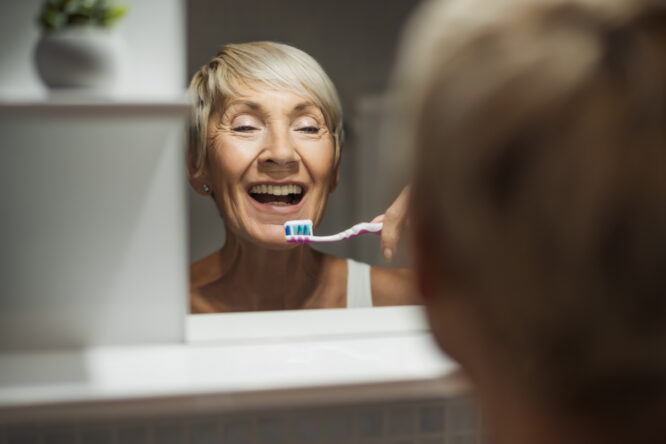
Problems in your mouth can change how food tastes. Issues like gum disease, tooth problems, or poorly fitting dentures can all interfere with flavour. Even something as simple as not cleaning your teeth properly can affect taste over time. That’s why oral health plays a bigger role in this than many people realise.
Some health conditions can play a role.

Ageing isn’t the only factor. Certain health conditions can also affect taste and smell, especially if they impact nerves, the brain, or your overall health. If changes in taste happen suddenly or feel more extreme than expected, it can sometimes be a sign that something else needs checking.
It can impact how much you enjoy eating.

When food stops tasting good, it can take the enjoyment out of meals. Some people lose interest in eating altogether, while others start relying on stronger flavours to make food more appealing. As time goes on, this can affect appetite and even nutrition, especially if someone starts eating less or choosing foods based purely on taste rather than balance.
You might start adding more salt or sugar.

When flavours feel weaker, it’s natural to try to bring them back. That often means adding more salt, sugar, or richer ingredients. While that can help in the short term, it’s something to be aware of. Over time, it can change your eating habits in ways that aren’t always helpful.
There are simple ways to improve flavour.

You don’t have to accept bland food as the only option. There are practical ways to make meals more enjoyable again. Using herbs, spices, citrus, and stronger flavours can help bring food back to life. Staying hydrated and looking after your mouth can also make a noticeable difference.
It’s worth checking if something else is causing it.

If your sense of taste changes suddenly or significantly, it’s worth speaking to a doctor or pharmacist. They can help rule out medication side effects or other underlying causes. Gradual changes are common with age, but sudden changes are worth paying attention to.
The main takeaway is that it’s normal, but not something to ignore.

Changes in how food tastes are a normal part of ageing for many people. It doesn’t mean anything is seriously wrong on its own, but understanding why it happens can help you manage it better. With a few small adjustments, it’s often possible to enjoy food again without feeling like everything has lost its flavour.