Drivers across the UK are being warned about a major change to car tax that could add hundreds of pounds a year to the cost of owning certain vehicles.

From April, the so-called Expensive Car Supplement means anyone with a newer vehicle originally priced over £40,000 could face an extra £425 a year in road tax. But while that’s worrying a lot of motorists, there’s a twist—a number of popular cars actually avoid the charge altogether. Here’s what you need to know about the new measures, and which cars can still be purchased new without carrying any extra costs (at least when it comes to tax).
What the £425 car tax actually is

The charge comes from the Expensive Car Supplement, which applies to vehicles that had a list price of over £40,000 when they were first registered. It’s not based on what you paid for the car, but what it was worth when new, and that’s what catches a lot of people out. Even if you buy the car second-hand for much less, the extra tax still applies for up to five years. That’s why many drivers are now paying closer attention to which models fall above or below that threshold.
Many new cars dodge the extra fee completely.

The key detail is the £40,000 cut-off. Cars that come in just under that price when new avoid the extra charge entirely, even if they feel like premium models. Manufacturers are well aware of this, and many deliberately price certain trims just below the threshold to make them more appealing. That’s why you’ll often see well-specced versions of popular cars sitting right under the limit.
Electric cars aren’t all exempt anymore.

One of the biggest surprises for drivers is that electric cars are no longer automatically exempt. From April, EVs are being brought into the same system, which means more expensive electric models can now be hit with the extra charge. This has changed the buying decision for a lot of people. What used to be seen as a guaranteed saving is now something that depends heavily on the model and its original price.
More cars are creeping towards that £40,000 mark.

With car prices rising in recent years, more vehicles are creeping over that £40,000 mark without necessarily feeling like luxury purchases. That means more drivers are being pulled into the higher tax bracket without expecting it. For anyone buying a new or nearly new car, it’s no longer just about the upfront cost. Ongoing expenses like tax are becoming a bigger part of the decision, especially when they can add up to thousands over a few years.
The cars that avoid the extra charge

Despite all this, there are still plenty of popular models that stay under the threshold and avoid the £425 supplement. These tend to be well-known cars that balance price and features carefully.
Here’s the full list of cars reported to avoid paying any extra road tax, though it should be said that this does not apply to all trim levels of each model listed, so you’ll need to check with your dealership before going ahead with a purchase.
Audi A3
Audi Q2
BMW 1 Series
BMW 2 Series Gran Coupe
Citroen C5 Aircross
Cupra Leon
Dacia Duster
DS 4
Ford Focus
Ford Kuga
Hyundai Tucson
Kia Sportage
Mazda CX-5
MG HS
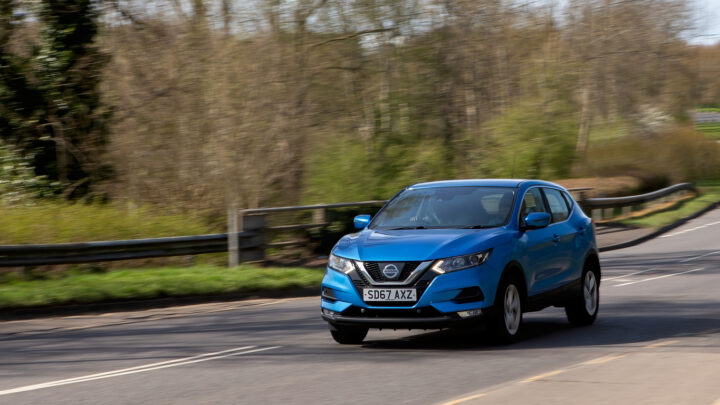
Nissan Qashqai
Peugeot 3008
Renault Austral
Seat Ateca
Skoda Karoq
Skoda Octavia
Toyota Corolla
Vauxhall Astra
Volkswagen Golf
What this means for buyers
This list shows that avoiding the extra tax doesn’t mean settling for a basic or outdated car. Many of these models are among the most popular in the UK, offering modern features, decent performance, and strong reliability. For buyers, it’s about being aware of the pricing structure. Even moving up one trim level on the same model can push it over the £40,000 limit, which then triggers the extra charge for years.
Trim levels are more important than ever.

One of the easiest ways people end up paying the extra tax is by choosing higher-spec versions without realising the impact. Optional extras, upgraded interiors, and tech packs can quickly push a car over the threshold. That means two versions of the same car can end up with very different running costs, even if they look almost identical. It’s something more buyers are starting to check before committing.
Car ownership is clearly changing in the UK.
This change highlights a broader change in how car ownership costs are evolving. It’s no longer just about fuel or monthly payments. Tax, insurance, and long-term costs are becoming just as important. As more cars sit close to that £40,000 mark, this kind of tax rule is likely to influence what people buy, especially for those trying to keep overall costs under control.
Checking whether a model falls above or below that £40,000 threshold can make a big difference to what you end up paying long term. And for many drivers, that small detail could save hundreds every year without changing the type of car they drive.