Lighting a bonfire in your garden is generally legal, but you can’t chuck just anything onto the flames.

While there isn’t an outright ban on garden bonfires in the UK, you’re not completely free to go rogue either. There’s a massive difference between burning a few dry branches and creating a smoking hazard that takes over the entire street. If you want to stay on the right side of the law, avoid a heavy fine from the council, and keep the peace with the people next door, you need to know exactly what’s allowed and what’s going to cause you a massive headache.
You can have a bonfire, but don’t go rogue.
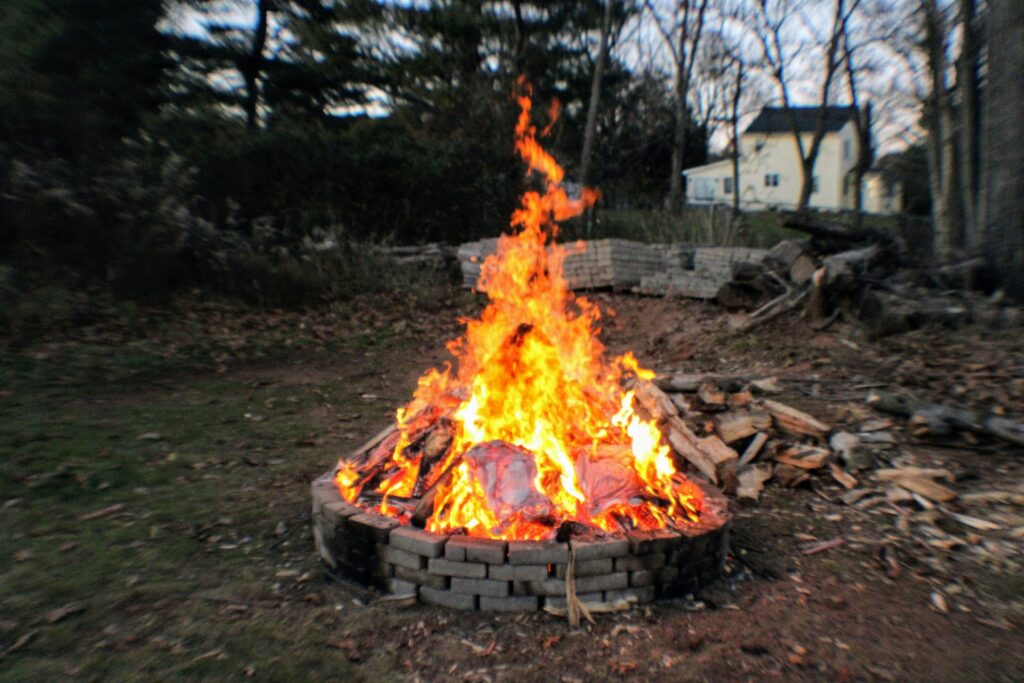
You’re perfectly entitled to have a bonfire in your own garden whenever you like, as there are no strict legal limits on the specific time of day or day of the week you can light one. However, that freedom comes with a huge catch: you can’t let the smoke become a statutory nuisance.
If your fire is constantly producing thick, acrid smoke that prevents your neighbours from opening their windows, drying their clothes, or enjoying their own gardens, the local council can step in. A one-off blaze to get rid of some garden trimmings is completely fine, but if you’re lighting up every weekend and causing a regular bother, you’re looking at proper legal warnings.
Stick to burning clean, dry garden waste.
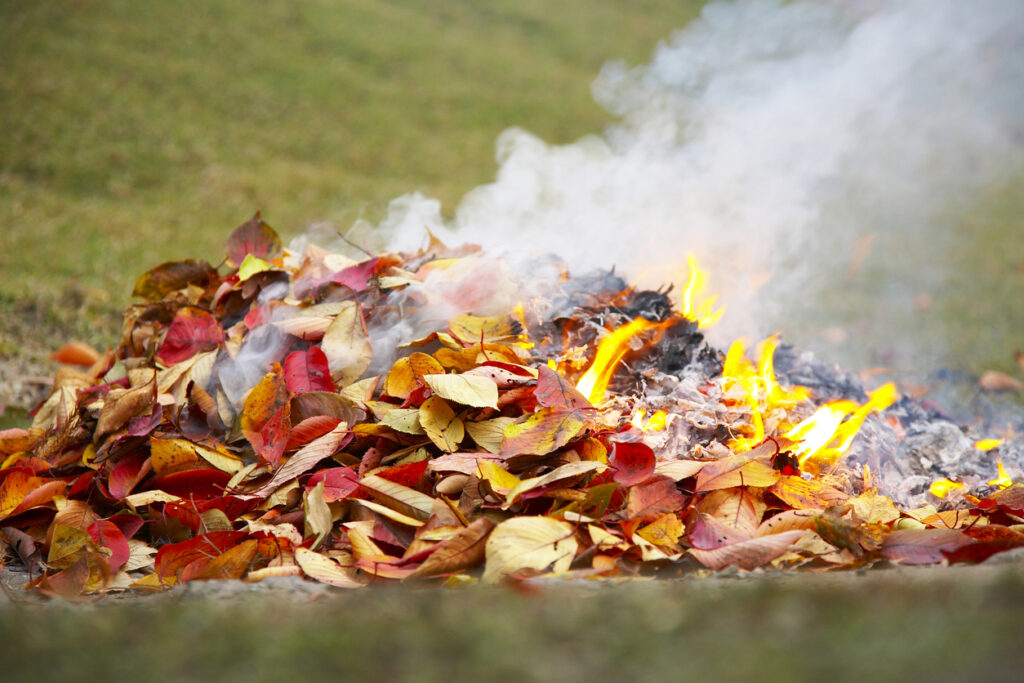
When it comes to what’s actually safe to burn, your list should be limited to natural, dry garden waste like hedge trimmings, fallen leaves, prunings, and old sticks. The golden rule here is to make sure everything is completely bone dry before it goes anywhere near a match.
Burning green, damp, or freshly cut plant material is a nightmare because it creates heavy, dark smoke that clings to everything and travels miles down the road. Keeping your firewood dry ensures a much cleaner, quicker burn that stays well off the radar of local pollution monitors and annoyed neighbours.
Burning household rubbish is a crime.

It’s tempting to use a garden fire to get rid of leftover clutter, but chucking household waste onto a bonfire is completely illegal under the Environmental Protection Act and the Clean Air Act. You must never burn treated, stained, or painted timber, nor should you ever melt down plastics, rubber, foam, or old carpets.
These synthetic materials release incredibly toxic fumes that actively damage the environment and threaten the health of anyone inhaling them. Everything in this category needs to go straight into your standard household wheelie bins or be taken down to the local recycling centre.
Smoke affecting traffic and drifting into public roads is a hazard.
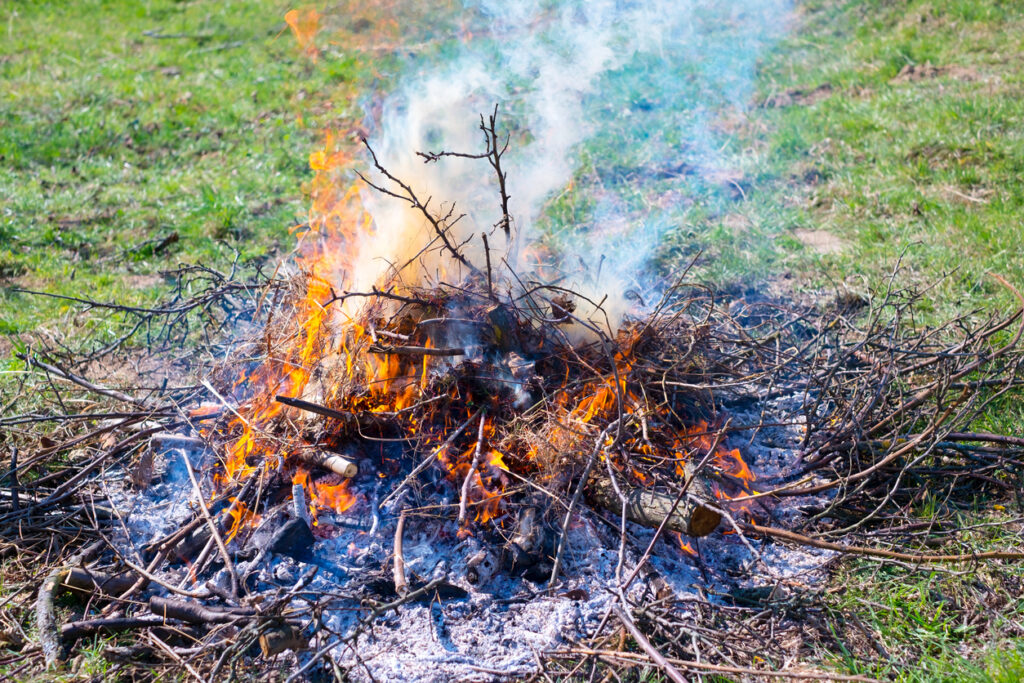
This is one of the most serious legal traps you can fall into when lighting an outdoor fire. Under the Highways Act, it’s a criminal offence if smoke from your garden bonfire drifts across a public highway and reduces visibility for passing drivers.
If your smoke causes a motorist to swerve, brake suddenly, or get into an accident, you can be held personally responsible, which carries severe penalties and a hefty court fine. Always check the wind direction before you start, and if your garden sits right next to a busy road, you’re much safer opting for a different disposal method entirely.
Councils can issue abatement notices, and if you ignore them, you could be in big trouble.
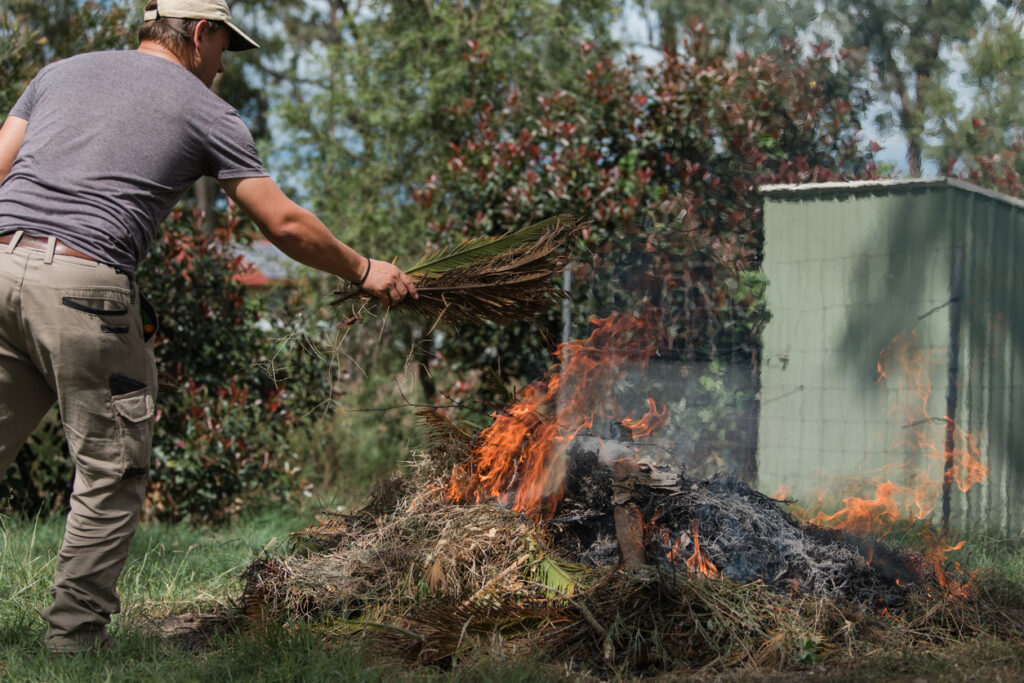
If your neighbours do lose patience and report your bonfires to the local authority, the environmental health department will start tracking your activity. If they agree that your smoke is causing an unfair disruption to the area, they’ll serve you with an official abatement notice.
This is a legal document that orders you to stop lighting nuisances or strictly limits how and when you can do it. If you choose to ignore this notice and keep burning regardless, you’re committing a criminal offence that can land you a massive fine of up to £5,000.
Public fires need explicit permissions.

It should go without saying, but the rules for your private back garden don’t apply to public land. You can’t just set up a bonfire on a local beach, in a park, or on common land whenever the mood strikes you.
Lighting unauthorised fires in public places is classed as fly-tipping and anti-social behaviour, and it’ll get you a hefty on-the-spot fine from council wardens or the police. If you’re planning a community event or a beach gathering, you need to secure written consent from the landowner or local authority well in advance.
Fire safety isn’t optional, and the rules exist for a reason.

Even a small, controlled blaze can get out of hand in seconds if the wind catches it, or you turn your back for a moment. You must never use petrol, paraffin, or lighter fluid to get a garden fire going, as these accelerators can cause an explosive flare-up that destroys your fences or sheds.
Keep your pile reasonable, clear away any long grass or dry debris from around the base, and always have a garden hose or a few heavy buckets of water standing by. Never leave the embers smouldering overnight, either; make sure the fire is completely extinguished and cold before you walk away.
Avoid bonfires in smoke control areas.
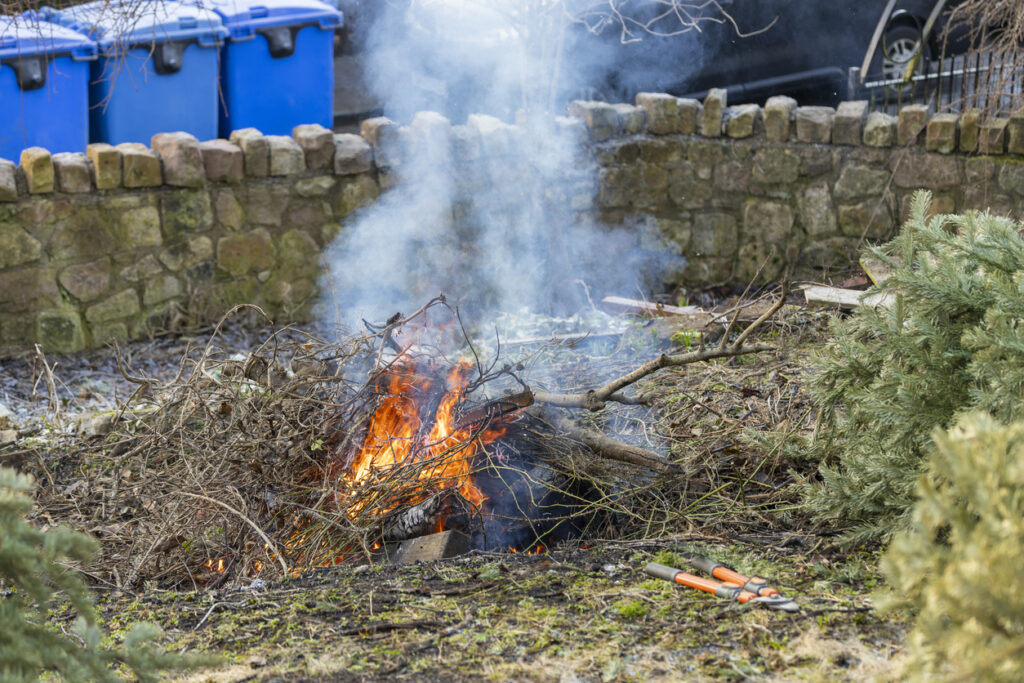
Huge parts of the UK, particularly in built-up towns and cities, are designated as official smoke control areas. While these rules are mostly aimed at what you can burn inside your home in wood burners and fireplaces, they can still impact your outdoor activities if your bonfire creates dark, heavy smoke.
Before you assume you’re completely fine to start piling up wood, it’s well worth popping your postcode into your local council website or checking GOV.UK to see if you’re living under these stricter emissions rules.
Be aware of your neighbours.
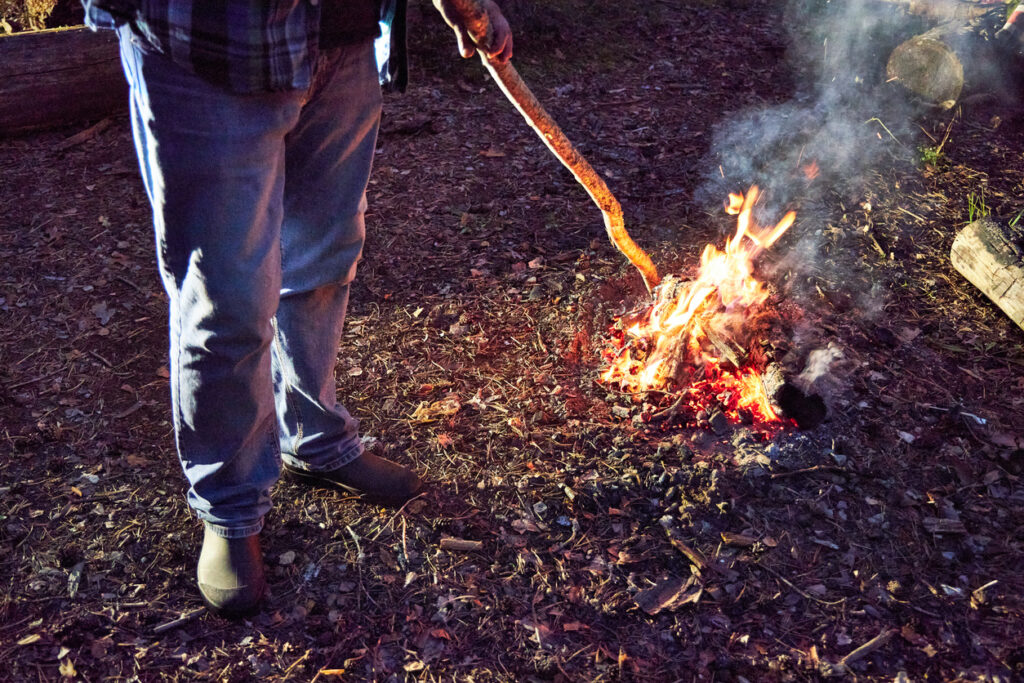
The easiest way to avoid council fines and angry knocks at the door isn’t actually found in a legal textbook—it’s just basic communication. A single, well-timed bonfire rarely causes a massive row if you’re considerate about it.
Give the people living next door a quick heads-up so they have a chance to bring in their washing or close their windows. It’s also smart to avoid warm weekend afternoons, bank holidays, or lovely summer evenings when everyone is trying to sit outside and eat. Choosing a damp, overcast weekday evening instead means you’ll get the job done without bothering a soul.
Compost or recycle instead of burning.

If you’re tired of checking the wind and worrying about complaints, it’s worth remembering that bonfires aren’t the only way to clear your space. Composting your leaves and soft cuttings is completely free and leaves you with rich, healthy soil food for the following spring.
For the bigger branches and heavy hedge trimmings, making use of your council’s dedicated garden waste brown bins or booking a trip to the local tip is a miles cleaner, stress-free alternative. It saves your lungs, protects the air quality in your neighbourhood, and means you don’t have to spend your evening worrying about the council turning up.