Deciding whether to neuter an adult dog isn’t always an easy decision, especially once your pet is fully grown and settled into their personality.
While we’re used to hearing about the routine benefits like preventing unwanted litters and curbing certain behavioural quirks, having the procedure done later in life brings an entirely different set of questions to the table.
Taking away key hormones from a mature animal can affect everything from their coat and metabolism to their joints, long-term health, and even how confident they feel around other dogs. If you’re weighing up the operation for an older dog, here’s what the latest veterinary evidence says about the potential downsides and what you need to keep in mind before booking them in.
How risky is neutering an adult dog?
There’s not much cause for concern when neutering an adult dog specifically. Anaesthetic accidents can happen, but they’re extremely rare. A large-scale study covering more than 50,000 dogs across hundreds of veterinary hospitals found problems occurred in under 0.69% of cases overall, and for healthy dogs undergoing elective surgery specifically, that figure drops even lower. The most common complications tend to show up in obese or geriatric dogs already dealing with underlying health conditions, not in a healthy adult otherwise.
There are a few somewhat common risks you should know about going in.
Beyond the surgery itself, a handful of longer-term effects are worth understanding. Weight gain is one of the most consistent, since metabolic rate slows once the gonads are removed, meaning less food and more exercise become necessary to maintain a healthy weight afterwards.
Some dogs experience changes to their coat too, ranging from thinning or thickening to patchy colour changes, though this doesn’t happen to every dog. Behaviourally, some changes are exactly what many owners hope for; neutered males tend to mark territory less, mount other dogs less often, wander less, and show less interest in intact females they encounter. That said, ingrained habits, particularly around marking and mounting, don’t always disappear altogether just because neutering has happened.
The negative behavioural changes are less talked about.
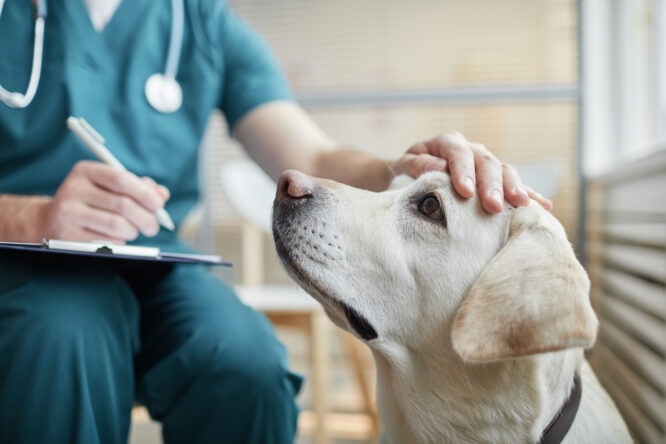
Less commonly discussed but increasingly documented are some of the more negative behavioural changes linked to neutering. Neutered dogs may become more prone to anxiety, and research has found links to increased noise phobia, a higher tendency to attempt escape, and greater likelihood of aggression toward strangers. This is still an area where research is still evolving, but recent studies focused specifically on early neutering have documented these patterns fairly clearly.
Cancer and orthopaedic risks are important to understand.
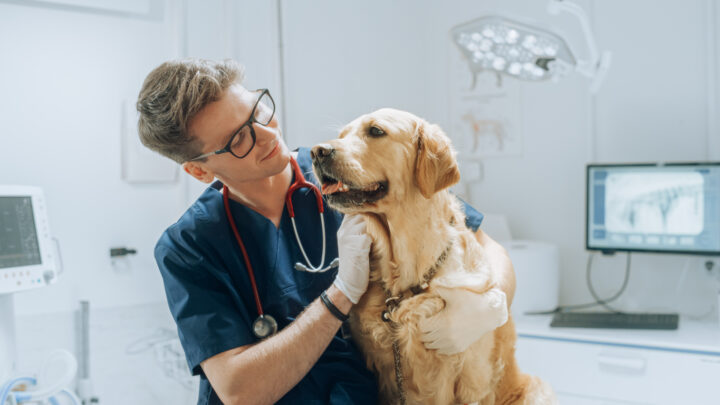
Certain cancers show up more frequently in neutered dogs, including lymphosarcoma, though this link appears strongest when neutering happens very young. Hemangiosarcoma and mast cell tumours are also found more often in neutered dogs than intact ones.
Orthopaedic problems follow a similar pattern. Conditions like hip dysplasia, ruptured knee ligaments and elbow dysplasia appear more frequently in neutered dogs, with breed-specific data suggesting some breeds, including Golden Retrievers, face a meaningfully higher risk when neutered particularly young. That doesn’t guarantee any individual dog will develop these issues, just that the statistical likelihood increases.
Hormonal and cognitive effects are also a possibility.
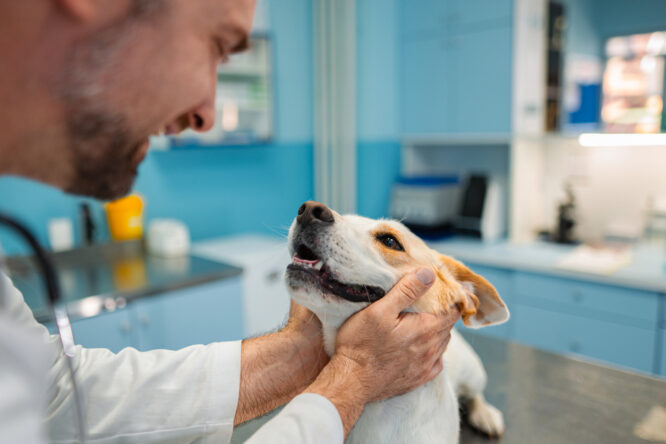
Hypothyroidism, an underactive thyroid condition, is seen more often in neutered male dogs compared to intact ones. Cognitive dysfunction, essentially a form of canine dementia, also shows up more frequently in neutered dogs, though it’s not yet fully clear whether the age at which neutering happens plays a role in that increased risk.
Is neutering actually necessary at all?

Strictly speaking, no, neutering isn’t medically necessary. The medical case for it is fairly weak overall, since testicular cancer, the specific cancer type neutering prevents, is considerably rarer than the cancers linked to higher rates in neutered dogs, like lymphoma and hemangiosarcoma.
Neutering is most commonly carried out on younger dogs primarily to prevent unwanted breeding and pet overpopulation, since intact male dogs are statistically more likely to escape and mate with intact females nearby.
What’s the recovery process like when neutering an older dog?

Recovery from the surgery itself is fairly brief. A dog typically only needs an adjusted routine for a few days while sutures heal, avoiding jumping or excessive running during that window, and in some cases needing to be kept somewhat confined. A protective collar is sometimes needed too, simply to stop a dog licking at the surgical site while it heals.
Could neutering change an older dog’s personality?
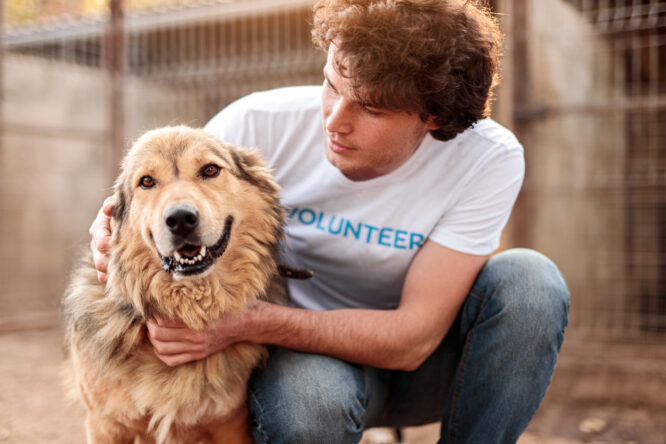
In some cases, yes. Certain behavioural changes improve after neutering, particularly territorial marking and wandering tendencies. However, newer research has also flagged a rise in nervous, OCD-type behaviours and certain forms of aggression following neutering, which complicates the picture considerably compared to older assumptions.
Delaying might be the sensible choice in some circumstances.
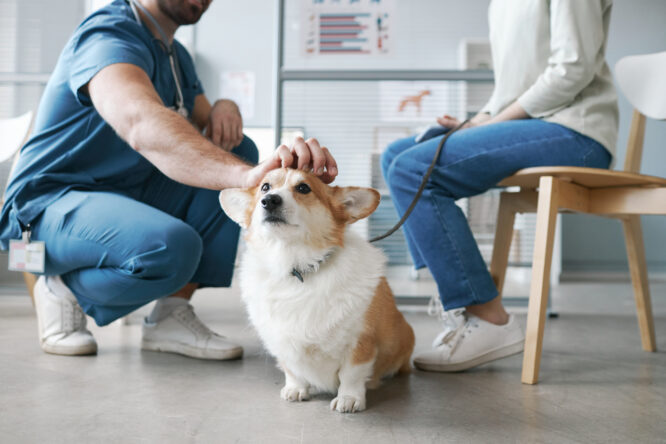
For an adult dog that’s already described as mellow and well settled, delaying neutering is often the more sensible route. While uncommon, some adult dogs do experience real personality changes tied to the anxiety surrounding the procedure itself, and there’s no way to guarantee a currently calm dog will stay that way afterwards.
A practical approach involves bringing the dog home first and observing behaviour over time. If problems emerge that neutering is known to help with, such as wandering or persistent marking, the procedure remains an option to consider later. If the dog settles in well and shows no problematic behaviours, leaving him intact is often the better choice, particularly given how weak the purely medical case for neutering actually is. The main medical reason to reconsider later in life would be if an enlarged prostate develops, a rare issue and not something to worry about preemptively.