Type 2 diabetes diagnoses have been climbing at a worrying rate across the UK.

Of course, most of us know the standard advice by heart: watch what you eat, keep moving, and keep an eye on family history. However, researchers have just turned up an intriguing connection that has very little to do with the gym or cutting out carbs. It turns out that simply having a patch of green grass out the back, or living a short stroll from your local park, might play a far bigger role in protecting your long-term health than anyone thought.
While genetics and diet obviously still count, spending time around nature seems to offer a surprisingly straightforward shield against the condition. Here is what the latest research actually found, and why your nearest green space could be doing your body a massive favour.
The study was widespread and in-depth.

A team of public health researchers pulled together data from more than 400,000 people in the UK Biobank study, tracking who went on to develop type 2 diabetes over an average follow-up period of more than 15 years. They combined this with detailed mapping data showing exactly how much access each person had to public and private green space near their home. Once the two sets of data were put side by side, a clear pattern started to emerge.
The link between gardens, parks, and diabetes risk was clear.

Generally speaking, the more green space someone had around their home, the lower their risk of developing type 2 diabetes turned out to be. People with a decent-sized private garden nearby were nearly 7% less likely to develop the condition compared to those with the least access to gardens in their area.
Living near four or more parks brought a similar benefit, cutting risk by close to 6%. Interestingly, whether those parks were actually within easy walking distance didn’t seem to make much difference at all, it was simply having them nearby that mattered.
That being said, this doesn’t prove cause and effect.

It’s important to be clear that this is an observational study, meaning it can show a link between two things without proving one directly causes the other. Plenty of other factors could be playing a role too, and the researchers did account for several of these, including smoking, alcohol intake and family history of diabetes.
Even so, this kind of real-world research inevitably comes with a lot of messy, unpredictable variables. We already know regular exercise helps lower diabetes risk, even for people genetically predisposed to it, and it makes sense that people with easy access to a garden or park might simply end up moving around more than those without.
Access to green space often comes down to money.

Earlier research backs this up, showing that people living in neighbourhoods with more parks tend to get around 24 extra minutes of exercise a week compared to those with fewer nearby. There’s also a well established link between lower income, lower education levels, and higher rates of diabetes, and people in these groups tend to have less access to green space in the first place.
Amid an ongoing housing crisis, private gardens have increasingly become a luxury a lot of people simply can’t afford. Those same people often face greater barriers to healthcare too, and less ability to make lifestyle changes known to reduce diabetes risk, like eating more vegetables regularly.
The findings should be considered when building cities.

As governments, developers and urban planners continue grappling with housing shortages, this research suggests public green space needs to be a part of that planning process, not an afterthought. With housing demand pushing more high-density developments forward, researchers argue public health considerations need to be factored into how those spaces are actually designed.
The findings suggest a garden isn’t just a nice aesthetic extra either. If green space isn’t properly built into residential developments from the start, it affects people’s long-term health down the line. Decisions made today about how neighbourhoods are planned will directly shape public health outcomes well into the future.
The type of green space matters too.

There are plenty of reasons green space benefits a neighbourhood’s overall health, and the kind of green space involved seems to matter quite a bit. A stretch of plain mown grass doesn’t appear to offer the same benefit as a proper garden or park.
Private gardens specifically may offer something a public park can’t quite replicate, time spent outdoors without any pressure to look a certain way before stepping out the door, along with a more hands-on, relaxed connection to the outdoors generally.
What might actually explain the link?
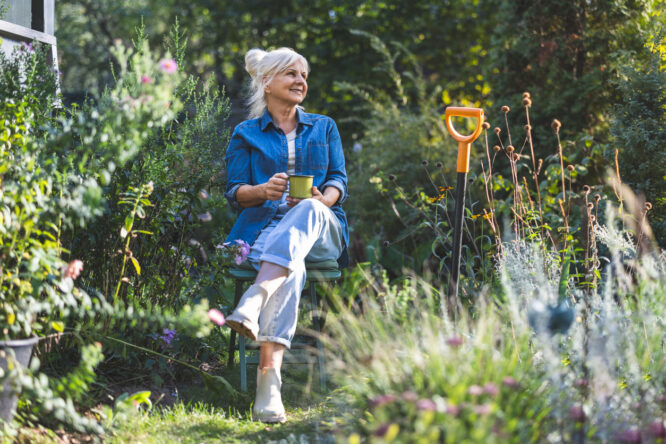
Further research will be needed to fully untangle exactly what it is about green space, and private gardens specifically, that helps lower diabetes risk. Researchers involved in the study have a few working theories worth considering.
Alongside physical activity, spending time outside in a garden also boosts vitamin D levels and offers restorative mental health benefits simply from being outdoors. There’s also a physical health angle, since spending time outside exposes people to a wider range of natural microbes, which appears to support gut health and strengthen the immune system.