Health officials in the UK are urgently investigating a nationwide salmonella outbreak that’s left one person dead and dozens more needing hospital treatment.
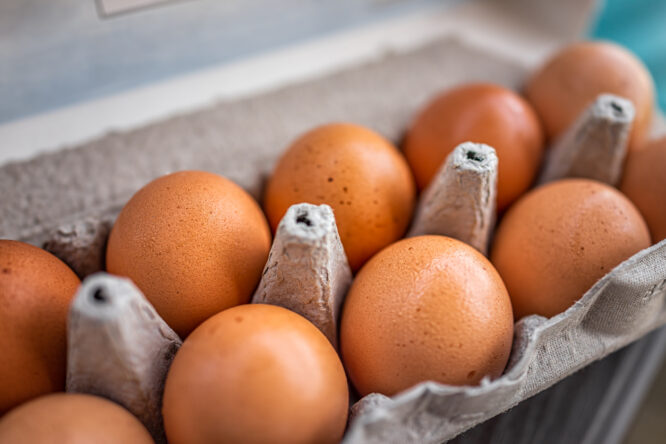
So far, 207 cases have been confirmed across England, Scotland, Wales, and Northern Ireland, with the vast majority of infections reported in recent weeks. The UK Health Security Agency (UKHSA) and the Food Standards Agency (FSA) have ruled out British-produced poultry, and they’re now tracking contaminated batches of imported eggs commonly supplied to cafes and catering businesses as the likely source.
Patients of all ages have been affected, many quite seriously.

Those caught up in the outbreak range from babies right through to people in their 90s. More than a third have needed hospital treatment, and two people have gone on to develop serious blood poisoning as a result. Most people affected do recover without needing specific treatment, but this outbreak is being taken seriously given how many cases have emerged in such a short space of time.
What makes it stand out is that it involves one identical strain of salmonella, rather than the usual mix of different strains behind most food poisoning cases throughout the year. Seeing this many people affected by a single matching strain at once is fairly unusual.
Salmonella comes with unmistakable symptoms that should be easy enough to identify.

Salmonella infection typically brings on stomach cramps, diarrhoea, vomiting, or a fever, usually showing up somewhere between 12 and 72 hours after exposure. Anyone experiencing these symptoms and worried they might be linked to this outbreak should contact their GP or an out-of-hours service in the first instance.
The cases are spread across the country, showing how widespread the problem is.
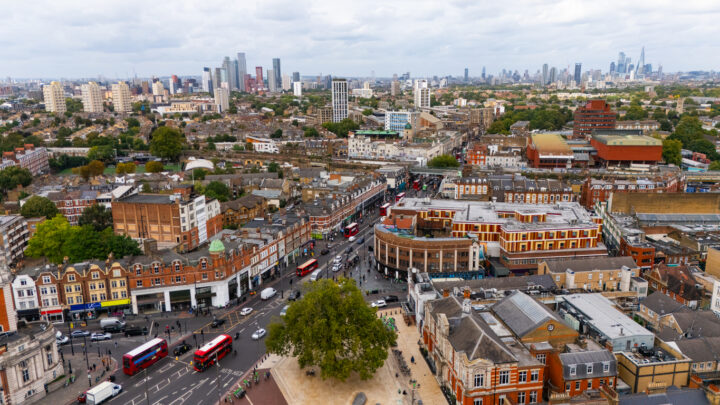
The vast majority of cases, 199 out of the 207 recorded, have been in England, with London and Yorkshire and the Humber accounting for the largest clusters, at 47 and 38 cases respectively. While smaller numbers have turned up in Scotland, Wales, and Northern Ireland, English health protection teams are carrying the brunt of the investigation.
Genomic sequencing shows that every single case links back to the exact same strain of bacteria. Investigators have already traced several dozen illnesses back to commercial food venues and cafes, where cross-contamination and unpasteurised imported supplies created local hotspots before the alarm was raised.
Imported eggs are the strongest lead so far.
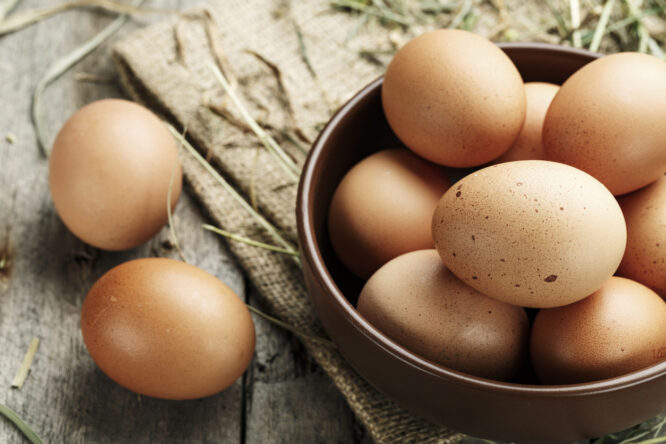
Investigators are working across several public health bodies to look into a possible link between the outbreak and eggs brought in from outside the UK. Salmonella can turn up in a range of food sources, including raw or undercooked poultry, meat and eggs, but thorough cooking and good hygiene, including handwashing after using the bathroom and before handling food, go a long way toward preventing infection.
People affected mostly fell ill after eating out, rather than after eating food prepared at home. Of the cases looked at so far, 24 have been traced back to food businesses that use imported eggs specifically. There’s currently no evidence linking the outbreak to UK-produced eggs or poultry, and any additional precautions will be introduced if the ongoing investigation shows they’re needed. For now, the risk to the wider public is considered low.
What to know about egg safety
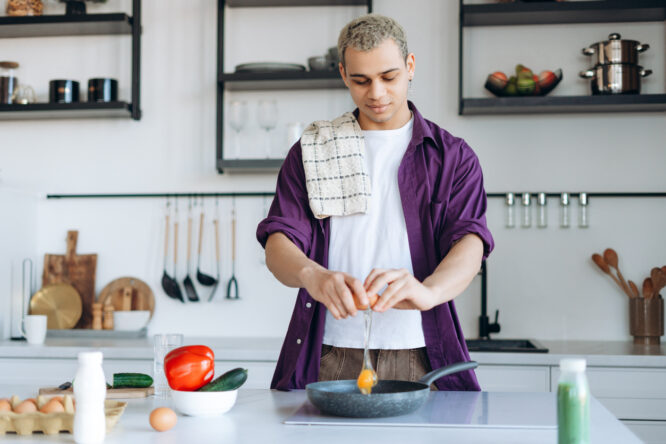
Eggs that are cooked thoroughly and handled hygienically shouldn’t pose any food safety risk on their own. There’s one specific bit of advice worth flagging, though: babies, young children, pregnant people, and older adults should only eat runny or raw eggs if those eggs carry the British Lion mark or come from the Laid in Britain assurance scheme, both of which indicate a higher standard of food safety testing.
It’s also worth washing your hands thoroughly with soap and water after handling eggs, eggshells or egg packaging, a simple step that can make a real difference in stopping infection from spreading.
How to protect yourself while eating out

Every catering outlet in the UK carries a food hygiene rating, and checking that green and black sticker in the window or looking it up online is a straightforward way to make a safer choice while the investigation into contaminated supplies continues. Sticking to venues with a top rating of 4 or 5 means they’re following strict temperature controls and proper kitchen separation, which dramatically reduces the chances of bacteria spreading between ingredients.
When you’re ordering, pay close attention to how dishes are prepared. Dishes containing raw or lightly cooked eggs, such as freshly whisked hollandaise sauce, homemade mayonnaise, tiramisu, or runny fried eggs, carry the highest risk if a business isn’t using pasteurised liquid egg or British Lion-stamped supplies. If you’re dining out with young children, elderly relatives, or anyone who’s pregnant, asking the staff directly whether their eggs are British-sourced and making sure your food comes out steaming hot all the way through gives you that extra layer of protection.