British farming is going through a major transformation as climate change reshapes what can actually grow on UK soil.
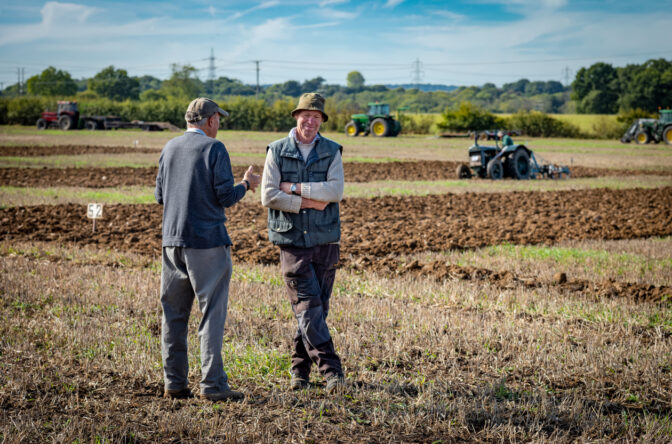
With severe droughts baking fields across half of England and farmers coming off one of the toughest, most unpredictable harvests in living memory, the traditional crop playbook is rapidly becoming outdated. Growers up and down the country are having to abandon decades of habit, experimenting with resilient new crop varieties, drought-tolerant alternatives, and innovative land management techniques just to keep their businesses viable.
It’s a silent revolution born out of sheer necessity, as the agriculture sector works out how to adapt to hotter summers and erratic weather patterns to keep the nation fed in the years to come.
Traditional crops are struggling under the new conditions.

Familiar British staples like sweetcorn, green beans, garden peas, and broccoli have started to struggle under the weight of recent heatwaves and record-breaking temperatures. Leafy greens, carrots, and pumpkins have also seen considerable drops in yield this summer, leaving many farmers facing real losses on crops they’d normally rely on.
The Met Office has described these changing conditions as the “new normal,” suggesting this isn’t a one-off bad season, but something farmers will need to plan around going forward. That reality is pushing growers to look seriously at alternatives, rather than simply weathering the storm and hoping for a return to older patterns.
Warmer weather is opening the door to new fruit.

Where there’s challenge, there’s also opportunity, and fruit growing is one area showing real promise. A wider variety of fruit trees, along with olives and grapes, are becoming increasingly viable to grow in the UK without needing polytunnels or other protective equipment.
Crops that traditionally belong to warmer, Mediterranean climates are now showing real potential on British soil, something that would have seemed unimaginable a decade or two ago. It’s a meaningful change for an industry that’s spent generations working around the UK’s typically cooler, wetter conditions.
Vegetables once considered unsuitable are now thriving.
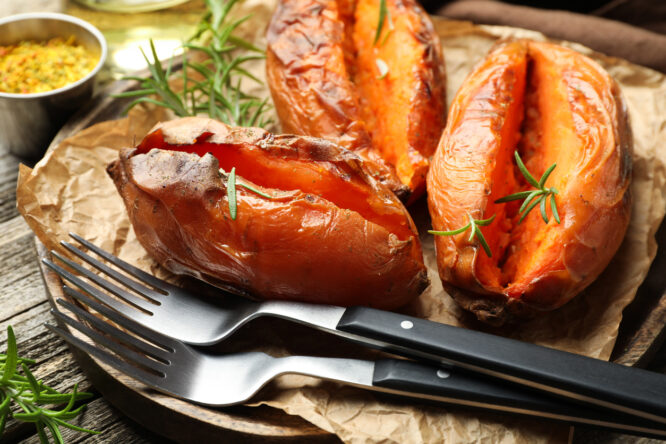
Sweet potatoes, sweet peppers, artichokes, and chillies are all now growing successfully in the UK without needing greenhouses or specialist equipment, something that simply wasn’t possible under previous weather patterns. Even tomatoes, which typically require carefully controlled indoor conditions, are now showing success when grown outdoors.
That said, warmer weather alone isn’t the full picture. Protecting soil quality, practising sustainable farming methods, and diversifying what’s actually planted all matter just as much as temperature when it comes to ensuring crops thrive rather than just survive.
Legumes rarely grown in Britain are entering small-scale production.
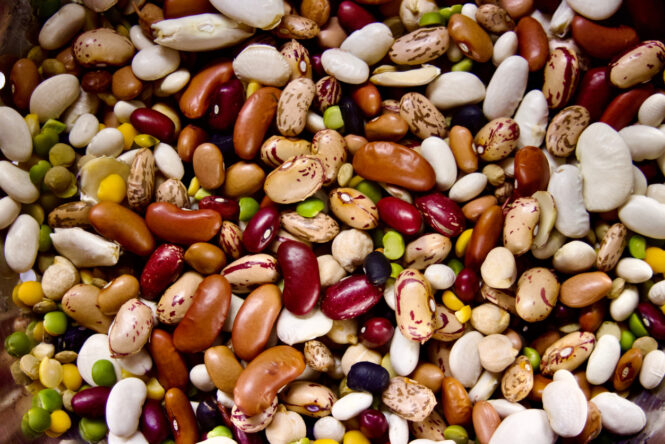
The UK has traditionally imported the vast majority of its legumes from South America and Asia, but that’s beginning to change, too. Soya in particular is generating real interest, since it tends to do well in warmer conditions and shows real potential if growing conditions can be got right.
Drier weather has also opened the door to crops like chickpeas and lentils, neither of which had ever been grown domestically before. Both are now entering small-scale production as farmers experiment with what a warmer, drier climate can actually support.
British wine is benefiting significantly from the heat.

Grapes have traditionally thrived in sunnier parts of Europe, but consistently higher UK summer temperatures in recent years have given the British wine industry a real boost. Heat plays a crucial role in ripening fruit properly, and warmer growing seasons are translating directly into better results for vineyards across the country.
These conditions are producing notably improved flavour profiles in UK grown grapes, something expected to meaningfully lift the overall quality and output of British wine production in the coming years.
Experts are urging caution alongside the optimism.
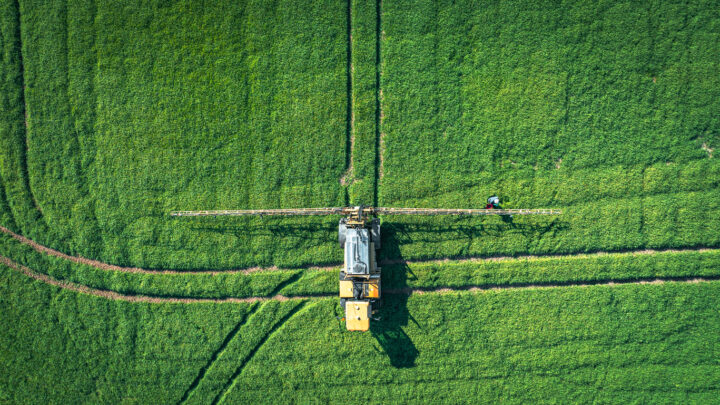
Despite these promising developments, agricultural experts are clear that none of this should be read as evidence climate change is somehow working out fine for British farming. The overriding certainty right now is that weather conditions are only going to become more volatile and unpredictable over time.
The UK isn’t simply experiencing steady warming, it’s dealing with extreme and inconsistent weather patterns, including the hottest summers on record alongside some of the wettest winters and latest springs seen in years. That volatility makes it naive to assume Britain can simply start growing whatever thrives in a country like Spain, since the UK still lacks the same consistent year-round temperatures those crops actually depend on.
A reactive approach won’t be enough going forward.
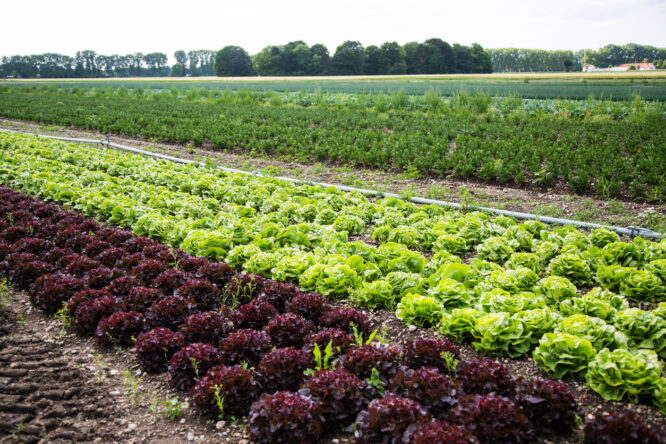
Simply responding to each new extreme weather event as it happens isn’t considered a sustainable long-term strategy. Instead, climate change needs to be treated as a complex, ongoing risk requiring real investment in agricultural infrastructure, a stronger farming workforce, and crop diversity built in from the start.
Getting that right isn’t just about protecting the environment either, it’s also about ensuring people across the country have access to a healthier, more reliable food supply going forward. Government departments have said work is already underway to build stronger, more resilient food supply chains, aimed at protecting Britain from the kind of disruption already being felt this year.